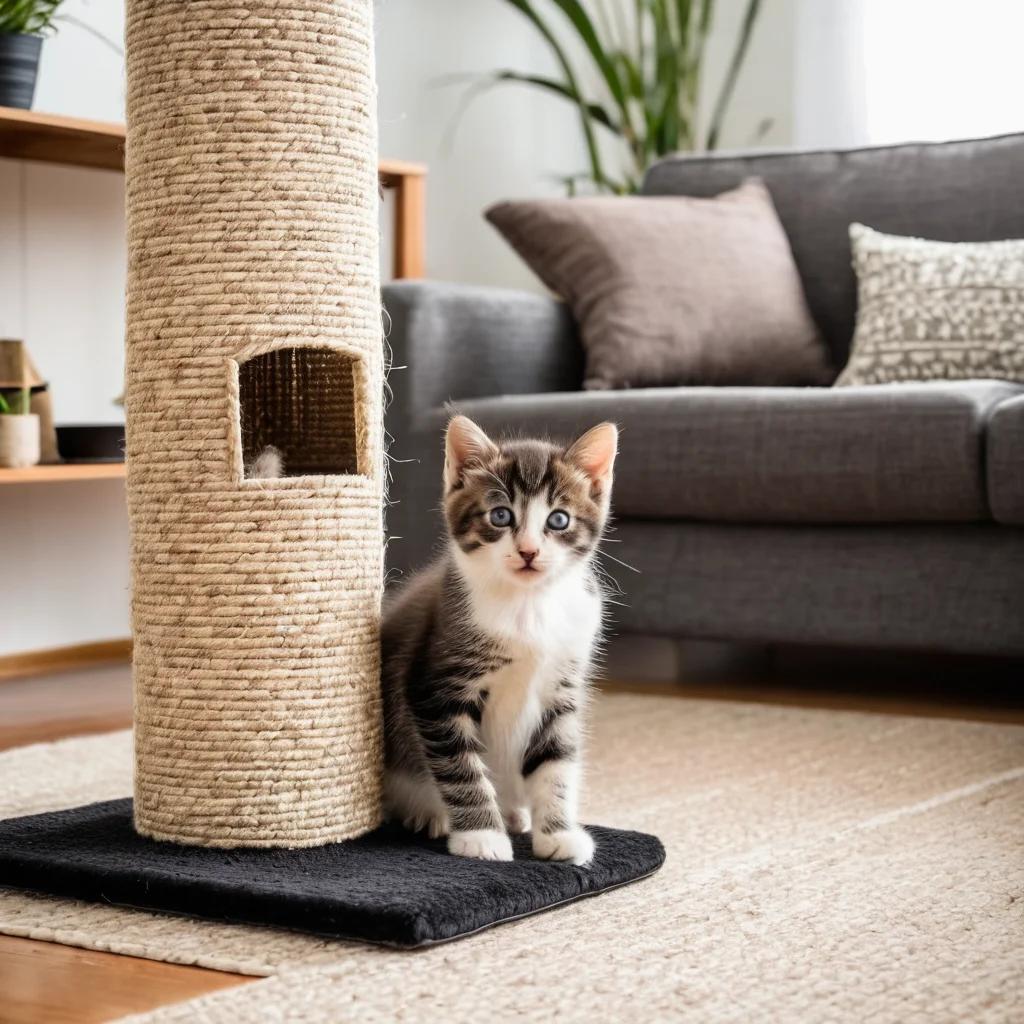

A kitten scratching the furniture is one of the most common complaints of cat ownership. Your cat isn't choosing to scratch; it's a biological need (claw care, stretching muscles, scent marking, releasing stress). Redirecting early in the kitten stage shapes scratching behavior in adulthood. In this article, we look at protecting your furniture from a kitten, early training, and redirection techniques.
1. Why Do Cats Scratch?
- Claw care: The outer layer of the claw is renewed.
- Stretching muscles/tendons: A full-body stretch.
- Scent marking: Scent glands in the paws release pheromones, saying "this area is mine."
- Releasing stress: Excitement, frustration, after play.
- It's instinctive behavior; it "can't be stopped," only redirected.
2. Early Scratching Training for Kittens
- Offer a scratching post right after your kitten comes home.
- Your kitten hasn't "picked the furniture" yet, so a positive association is easy.
- The first 2-3 months are the critical period, when habits form.
- Early training sets the stage for trouble-free behavior in adulthood.
3. How Many Scratching Posts + Where
- Number: At least 2-3 (one on every floor in a multi-story home).
- Location:
- Near where your kitten wakes up (for stretching).
- A visible corner of the living room.
- Near where it watches the window/street.
- Away from the food bowl + litter box.
- Type: Vertical sisal + horizontal cardboard together.
- Height: Your kitten should be able to scratch while fully stretched out (50-70 cm).
4. Furniture Protection Strategy
- Double-sided tape (Sticky Paws): Stick it on the sides of the sofa. Cats don't like sticky surfaces.
- Aluminum foil: Temporary. The sound of foil bothers cats.
- Plastic protectors: Thick clear plastic, temporary.
- Citronella spray: A natural unpleasant smell; it works on some cats.
- Add a scratching post beside the furniture: Natural redirection.
5. Redirection Technique
- When your kitten scratches the furniture: approach calmly and distract it with a toy or catnip.
- Guide your kitten to the scratching post.
- Gently place its paw on the post and mimic the scratching motion.
- If it uses the post, reward + praise right away.
- 2-3 weeks of consistent practice → the behavior transfers.
6. Catnip + Redirection
- Sprinkle a little catnip on the scratching post.
- Your cat will naturally be drawn to the post.
- Catnip works in kittens after 6 months (before that, it has no effect).
- Silver vine or valerian are alternatives (they work in kittens too).
7. Getting Used to Nail Trims Early
- Trim the nails every 2-3 weeks.
- Get your cat used to it from kittenhood, and it won't be a problem in adulthood.
- Cut only the clear tip; don't touch the blood vessel (the "quick").
- Have a vet or pet groomer show you at the first session.
- Trimmed nails reduce furniture damage.
8. Declawing: OFF LIMITS
- Banned in Türkiye (unethical).
- It's not surgically REMOVING the claw; it's CUTTING OFF the tip of the toe.
- Lifelong pain + behavior problems.
- Never go down this road.
- Plastic nail caps (Soft Paws) are an ethical alternative (if your cat tolerates them).
9. Multi-Cat Households
- 1 post per cat + 1 extra (3 cats = 4 posts).
- Different types (vertical + horizontal + cat tree).
- Spread them across different rooms.
- If a dominant cat claims a post, give the lower-ranking cat its own.
10. Replacing the Scratching Post
- A sisal post should be replaced every 1-2 years.
- A cardboard scratcher every 2-4 months.
- A worn-out post = your cat heads back to the furniture.
- Put the new post in the old spot, and choose the same type.
Protecting furniture from a kitten: the early redirection + scratching posts + setting up the environment formula protects your furniture for years + keeps your cat happy. Scratching isn't "forbidden"; it's "redirected" to the right place. In the DoldurKabı app you can find vet clinics experienced in cat behavior on a map.