
Dog dancing is a sport of dancing to music: choreography for owner and dog. Training stages, tricks and commands, music choice, costumes and competitions. Suitable for every breed. A bond-building activity, even for senior pets. Its official name is "Musical Canine Freestyle", and there are international competitions. In this article, we take a detailed look at dog dancing.
1. What Is Dog Dancing?
- Choreography for owner and dog, set to music.
- It started in the 1980s (Carolyn Scott and Rookie, a border collie).
- Musical Canine Freestyle (MCF).
- WCFO and the Musical Dog Sport Association.
- Competition categories: HTM, Freestyle, Heelwork.
- A shared performance by owner and dog.
- Fun, beautiful to watch and bond-building.
2. Heelwork to Music (HTM)
- The dog walks at the owner's side (heel position).
- Synchronized with the music.
- Commands: side, right heel, left heel, reverse direction.
- More disciplined choreography.
- Classical music suits it better.
- Ideal for beginners.
- 3-6 months of basic training.
3. Freestyle
- Owner and dog use any creative movement.
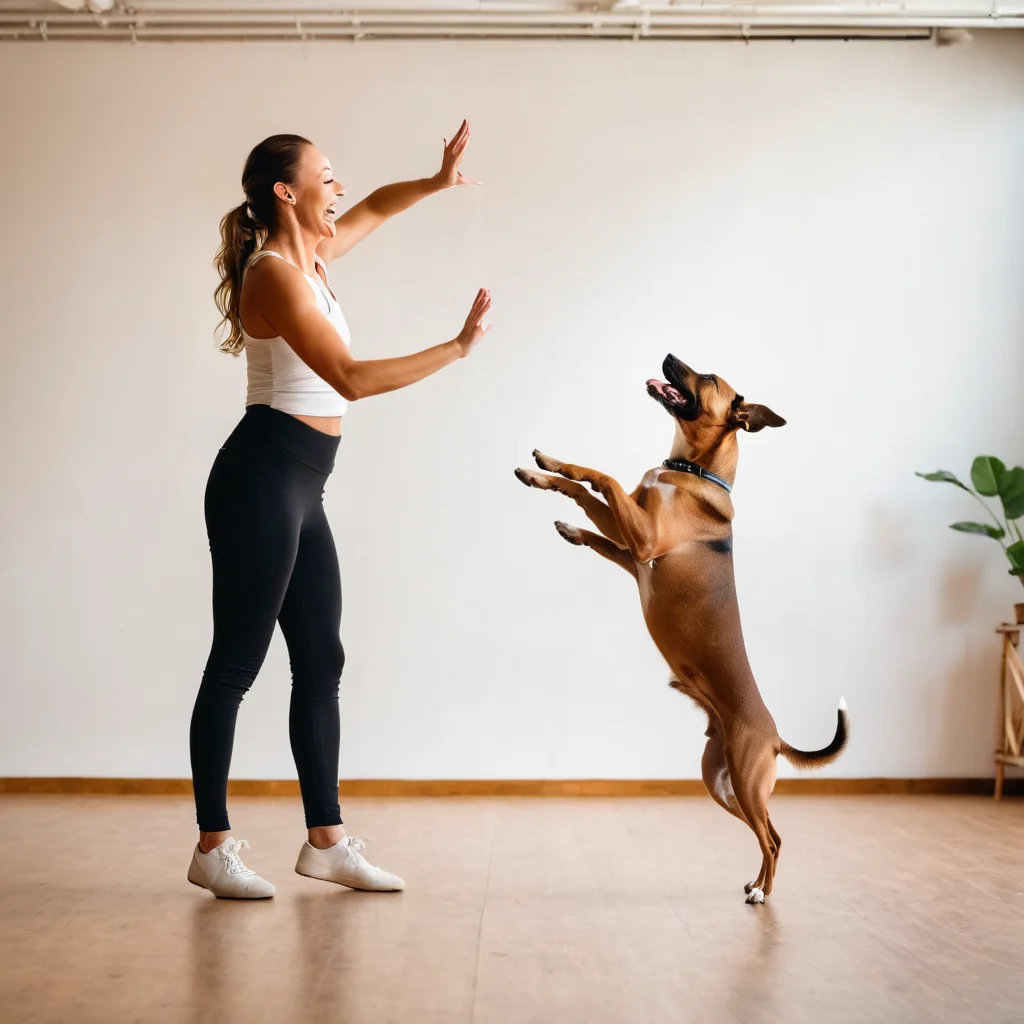
- Jumping, spinning, walking backward, dancing on hind legs.
- A combination of tricks and dance.
- Free choice of music.
- Creative choreography.
- Costumes and themes.
- 1-2 years of advanced training.
4. Suitable Breeds
- Excellent: Border Collie, Poodle, Australian Shepherd.
- Very good: Golden, Labrador, Sheltie, Papillon.
- Good: Spaniel, Schnauzer, mixed breeds.
- Limited: Very large dogs (St. Bernard), because of space and speed.
- Limited: Brachycephalic breeds (Bulldog, Pug).
- Any dog can take part at a hobby level.
- The pet's character, the owner and intelligence matter.
5. Basic Commands and Tricks
- Side walking: Heel position on the right and left.
- Reverse direction: The dog walks backward.
- Spin: Turning right and left.
- Bow: A front bowing position.
- Two legs: Standing on the 2 hind legs.
- Weave between legs: Through the owner's legs.
- Jump: Jumping over the owner's arm.
- Paw shake: Offering a paw.
6. Training Stages
- Solid basic obedience (6 months).
- Building a repertoire of tricks.
- Introducing music and watching the dog's reaction.
- A short choreography (30 seconds).
- A longer piece (1-2 minutes).
- Show rehearsals.
- A first performance (for family and friends).
- Entering competitions (international standards).
7. Choosing Music
- It should suit the dog's tempo and energy.
- Pop, rock, classical, folk, jazz: every kind works.
- The tempo should match the dog's walking speed.
- High tempo = small, energetic dogs.
- Classical = large, calm dogs.
- Changes in pace make the choreography richer.
- Watch out for copyright in competitions.
8. Costumes and Themes
- Themed choreography (summer, winter, fairy tales).
- Matching costumes for owner and dog.
- In some competitions the score includes costumes.
- The dog must be comfortable (NOTHING that restricts movement).
- Soft, safe fabrics.
- Costumes cost 200-2,000 Turkish lira.
- Creative DIY costumes made at home.
9. Benefits
- Bond: Owner and dog become close partners.
- Mental: Problem solving and focus for the dog.
- Physical: Light exercise.
- Senior pets: Low intensity suits them.
- Social: Community and competitions.
- A happy owner: A creative outlet.
- Pet behavior: Discipline and rewards.
10. Türkiye and the Community
- The community is small in Türkiye.
- Some pet training centers offer it.
- Self-training through YouTube is popular.
- Taking part in international online competitions.
- Dog dancing groups on social media.
- Show categories at pet events.
- At hobby level, the ease of practicing at home.
Dog dancing comes down to this formula: HTM, Freestyle, tricks, music, a suitable breed and a stronger bond. A shared art for owner and dog. Even senior pets can take part. Any dog can join as a hobby. It is creative and fun, and your bond grows deeper. In the DoldurKabı app, you can find a list of pet training centers and sports communities.