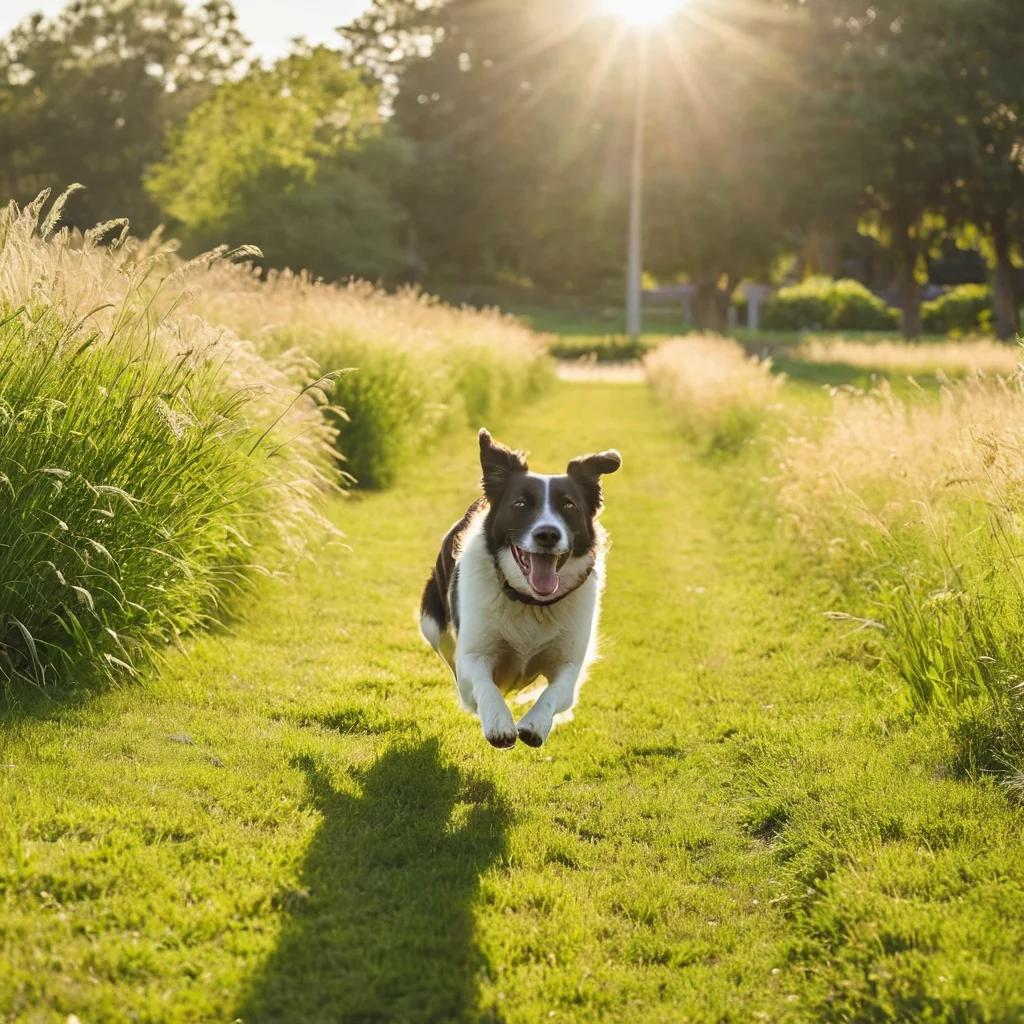

A dog who reliably responds to "Come" is the foundation for everything: off-leash freedom at the park, running in open spaces, being called back from sudden danger. This is called recall, and it can be trained in almost every dog; you just need the right protocol. This post covers why recall fails, a 4-week program that builds it from scratch and how to keep it strong over the long term.
1. Why Don't Dogs Come When Called?
- The command's meaning is fuzzy. Inconsistent cues like "Come, Karabaş, come on, come here."
- Being punished after coming. The dog came and got taken for a bath, so "come = bad."
- Low-value reward. Outside, "a piece of dry food" has to compete with interesting smells, other dogs and nature.
- A missing training foundation. The command was only taught at home and never practiced in open spaces.
- Stress or arousal is too high. A dog in "hunting mode" doesn't hear the command.
2. The 4-Week Recall Program
Week 1: Indoor Basics
- When your dog is close to you, say "COME" in a soft voice. The moment they arrive, give a high-value reward (a piece of ham, cheese).
- 10-15 repetitions a day.
- Until your dog comes running.
Week 2: Indoor Distractions
- Call your dog while they are busy with something else (a toy, the window).
- The same reward the moment they arrive.
- Increase the distance (from one room to another).
Week 3: Yard / Quiet Open Space
- Use a 5-10 meter long line.
- Say "COME" while your dog is focused on something else; reward plus affection the moment they arrive.
- Not off-leash yet. If they don't come, help them with a gentle tug on the line.
Week 4: High Distractions
- Parks, other dogs, smell-rich environments.
- A 10-15 meter long line.
- "COME" plus a premium reward (a piece of sausage, cheese, chicken).
- 10-15 repetitions per session.
After 4 weeks: reliable recall in an enclosed park with long line control. Full off-leash freedom takes another 2-4 weeks plus careful choice of location.
3. 7 Habits That Ruin Recall
- Something bad happens when the dog comes: A bath, medication, going back inside. Solution: always pair the "COME" cue with positive things.
- Repeating the command over and over: "Come come come come" makes the command lose its meaning. Say it once; if they don't come, give physical help (a tug on the line).
- Low-value reward. In open spaces, you need a very valuable reward to beat strong triggers.
- Chasing your dog after calling. When you go to catch them, the dog runs, because it turns into a game. Do the opposite: if you run away, your dog will follow you.
- A harsh voice and angry face. The come command should mean a reward is coming. A dog called in anger won't come.
- Using "COME" as a test. Testing your dog when they are tired or very busy sets you up for failure.
- Not using a long line. "Let's try it off-leash this time" leads to loss of control, and the command breaks down.
4. Premium Reward Table
- Low value (indoors): Dry food, regular dog biscuits.
- Medium value (yard): Pieces of half-cooked chicken breast, cheese cubes.
- High value (park): Cooked sausage, unsalted and unseasoned ham, freeze-dried chicken, bits of liver.
Keep the rewards small (rice-grain size) to control calories.
5. Emergency Recall
Separate from the everyday "COME," you can build a special command plus signal combination for life-or-death situations:
- A special word: "HERE" or "NOW".
- A whistle plus word combination (high frequency works better).
- This command always earns a jackpot reward (5+ premium pieces).
- Use it only in real emergencies (risk of running into traffic).
- Practice 1-2 times a week so your dog learns "this special command = something amazing."
6. Key Tips for Recall
- Keep your dog off-leash at home most of the time: call them with the command, clip the leash on, then let them go right after. Your dog should learn "leash = reward, then freedom," not "leash = game over."
- Don't wear out the command word. If your dog never comes outside, stop saying "COME"; start practicing again with a different command instead.
- Mistakes are lessons: If your dog doesn't come, lower the training level instead of punishing (reduce distance, increase control over distractions).
- Everyone in the family uses the same command and reward; consistency is a must.
- Scent-driven dogs sometimes lose control when following a smell; you can add a pre-command like "STOP" before "COME."
7. When Recall Breaks Down
A dog who used to come reliably has recently stopped coming:
- Medical: Pain, hearing loss, vision problems. Common in senior dogs.
- Environmental: New stress, fear, a bad experience with another dog.
- Owner mistake: A bad experience after being called (bath, vet, etc.).
- Training fade: No practice for months.
After a vet check, you may need to rebuild recall from scratch by repeating the 4-week basic program.
8. Frequently Asked Questions
My dog is 6 years old. Can I teach recall?
Yes. Adult dogs learn too; it just takes more patience. A consistent 4-8 week program works.
Are all dogs suited to off-leash parks?
No. Breeds with a strong prey drive (Husky, Greyhound, Beagle) may never reach full recall. A fenced park or freedom on a long line is safer.
Does a whistle work the same as a verbal command?
A whistle gets around some drawbacks (it sounds the same every time and carries over long distances). The trio of whistle, word and reward makes a strong trigger.
Isn't the emergency command the same as "COME"?
It shouldn't be. "COME" becomes routine; the emergency command is only for critical moments, with a jackpot reward. Your dog should learn "when I hear this special command, I come no matter what."
Outside, my dog won't come when it sees another dog.
The distraction threshold has been crossed; a dog in a "stressed and aroused" state can't hear the command. Start with more distance and gradually move closer. Recall goes hand in hand with a socialization protocol.
When should I start with a puppy?
From 8 weeks old: indoor "COME" plus a reward, like a game. By 4-6 months of age the home basics settle in and recall becomes effective.
Will constant rewards teach my dog to expect a "bribe"?
No. At first you reward every time (continuous), and once the behavior is established you reward occasionally (intermittent). Intermittent rewards reinforce the "I come no matter what" behavior.
Final Word
Recall is not just a command; it is a measure of the trust between you and your dog. 4 weeks of disciplined practice means a lifetime of safely enjoying open spaces. Few things make the bond between a dog and owner more enjoyable than a dog running off-leash at the park.
Log your training notes and progress chart in DoldurKabı Pet Health Tracking. For dog-friendly parks, see the DoldurKabı Parks map.
This guide is for information only; for your specific needs, consult a certified dog trainer.