


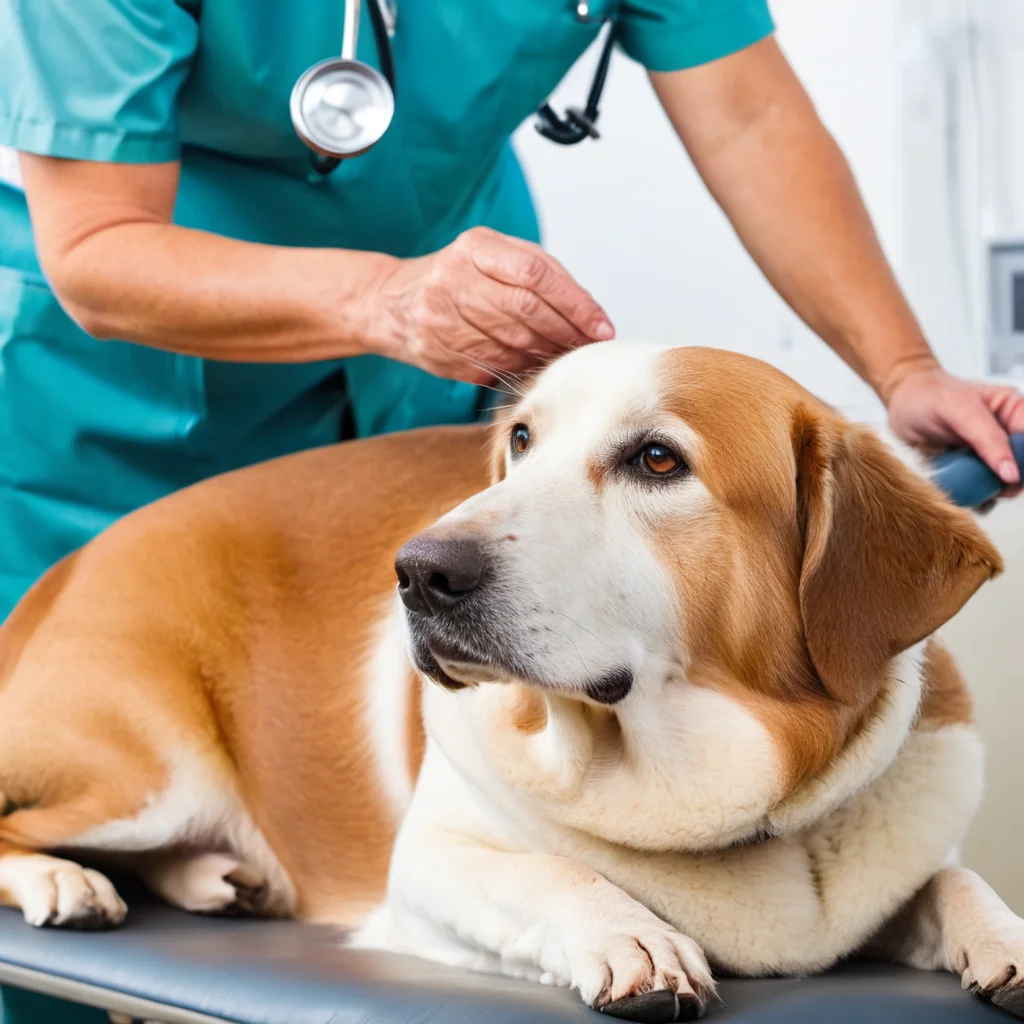

Cushing's syndrome (hyperadrenocorticism) is an endocrine disease in dogs caused by the adrenal gland producing too much cortisol. It is common in dogs aged 7+, and while it has classic signs, it is a condition that is hard to diagnose and treat. Drinking a lot, urinating more, a sagging belly, hair loss and thinning skin make up the classic picture. Its two main causes are pituitary-dependent disease (PDH, 85%) and adrenal tumors (AT, 15%). In this article, we look at Cushing's syndrome in detail.
1. What Is Cushing's?
- The adrenal gland releases cortisol all the time.
- Cortisol is the "stress hormone": it suppresses the immune system, raises glucose and causes water retention.
- Too much cortisol harms the body.
- Most common in senior dogs (7+ years).
2. Types of Cushing's
- PDH (Pituitary-Dependent Hyperadrenocorticism): 85% of cases. A small tumor in the pituitary gland releases too much ACTH, and the adrenal gland produces cortisol.
- AT (Adrenal Tumor): 15% of cases. A tumor in the adrenal gland (benign or malignant).
- Iatrogenic (medication-related): Long-term corticosteroid use. It improves when the medication is stopped.
3. The Classic Triad of Signs
- Polydipsia + polyuria (PU/PD): Excessive drinking and frequent urination. The most consistent sign.
- Polyphagia: An excessive appetite.
- Sagging belly: A "pot-belly" look, caused by cortisol-related muscle weakness and fat buildup.
4. Other Signs
- Symmetrical hair loss (back and sides).
- Thinning skin with visible blood vessels.
- Recurring skin infections.
- Calcinosis cutis (calcium deposits in the skin).
- Muscle weakness: the dog is sluggish.
- Hyporeflexia: reflexes are reduced.
- Lethargy and drowsiness.
- Anestrus (no heat cycles in female dogs).
- Testicular atrophy (males).
5. Diagnosis (Several Stages)
- First blood test: High ALP (85% of Cushing's cases), high cholesterol, normal sodium/potassium.
- Urine test: Low specific gravity, high urine cortisol/creatinine ratio.
- ACTH stimulation test: Diagnoses Cushing's and rules out the iatrogenic form.
- Low-dose dexamethasone suppression test (LDDST): Tells PDH and AT apart.
- High-dose LDDST or endogenous ACTH: A definitive diagnosis.
- Abdominal ultrasound: Evaluates the adrenal glands.
- MRI/CT: Imaging of a pituitary tumor.
6. Treatment (PDH)
- Trilostane (Vetoryl): The standard treatment. It blocks cortisol production. Yearly cost 8,000 to 25,000 Turkish lira.
- Mitotane (Lysodren): An older treatment that destroys adrenal cells. Riskier.
- Selegiline (L-deprenyl): Mild cases.
- Regular ACTH stimulation tests for monitoring.
- Lifelong treatment.
7. Treatment (Adrenal Tumor)
- Surgical resection: When one adrenal gland is affected, sometimes curative. A risky surgery.
- Trilostane: Cases where surgery isn't possible.
- Mitotane: Some cases.
8. Prognosis
- PDH + trilostane: average survival of 2-4 years (good for a senior dog).
- AT + surgery: 2-3 years.
- AT + medical treatment: 1-2 years.
- Quality of life is good with treatment.
9. Predisposed Breeds
- Poodle (especially miniature and standard).
- Dachshund.
- Beagle.
- Yorkshire Terrier.
- Boxer.
- Boston Terrier.
- Staffordshire Bull Terrier.
10. Quality of Life
- 70% of dogs respond well to treatment with trilostane.
- Signs ease within 4-12 weeks.
- Drinking returns to normal and weight stabilizes.
- Hair grows back in 3-6 months.
- Side effects: hyperkalemia, loss of appetite, vomiting; the dose gets adjusted.
- A vet checkup and ACTH test every 3-6 months.
Cushing's syndrome is a common endocrine disease in senior dogs. Early diagnosis (when PU/PD and a sagging belly appear), trilostane treatment and regular monitoring greatly improve both quality of life and lifespan. Treatment is expensive, but the dog's quality of life improves a lot. In the DoldurKabı app, you can find vet clinics with endocrinology experience on a map.









