
Diyarbakır is the historic capital of Southeastern Anatolia, and with its hot summers (40-45°C) and big-city layout, the need for a 24-hour vet is critical. Diyarbakır's biggest advantage: the Dicle University Faculty of Veterinary Medicine (Kayapınar) offers 24/7 emergency care and serves as the referral vet hospital for Southeastern Anatolia. Clinics in the city center provide 24-hour service, and most are located in Yenişehir and Kayapınar. When an emergency vet visit is needed, knowing which symptoms are urgent, which clinic is open at night and what to do on the way can save a life. In this post, we take a detailed look at 24-hour vet care in Diyarbakır.
How Do You Find an On-Duty Vet in Diyarbakır?
Just like pharmacies, veterinary medicine runs on an on-duty rotation: the Chambers of Veterinarians publish a weekly on-duty list, and municipalities and clinics share it too. When you're looking for an open clinic in Diyarbakır at night or on a public holiday, check these in order:
- The website and social media accounts of your city's Chamber of Veterinarians (Veteriner Hekimleri Odası). The weekly on-duty list is usually announced there.
- The municipality's official website; many metropolitan municipalities publish on-duty vet information.
- The phone number of a clinic you have visited before. If it's closed, most clinics note that night's on-duty clinic on their answering machine or on their door.
- A university Faculty of Veterinary Medicine animal hospital, if there is one; many accept emergencies 24/7.
Always call before you head out: the on-duty clinic may have changed, and if you explain the situation, they can get ready for you.
Emergency Vet Clinics in Diyarbakır
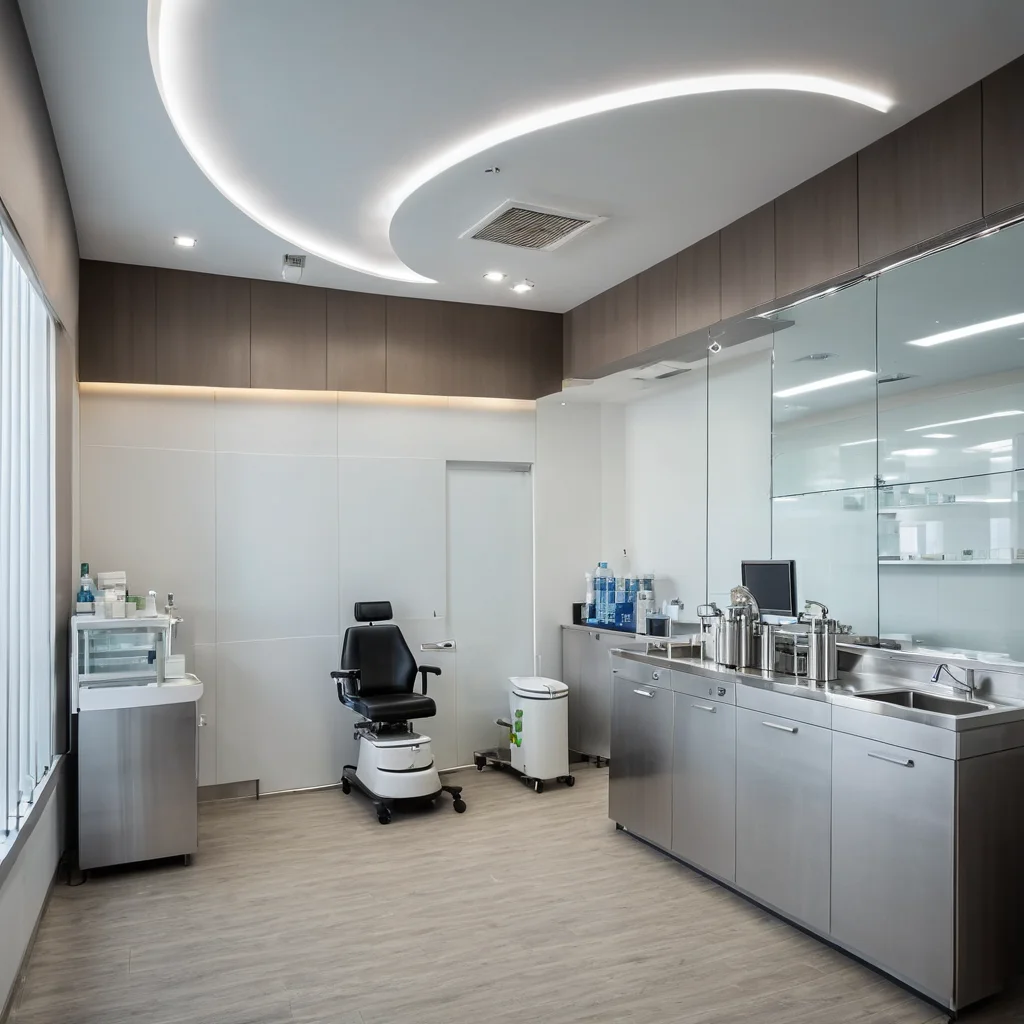
Clinics are clustered around the Dicle University Faculty of Veterinary Medicine (Kayapınar), central Yenişehir (Ofis, Kooperatifler), Kayapınar (Peyas, Talaytepe), Bağlar and the rural districts (Bismil, Silvan, Ergani, Çınar). Which one is open on a given night varies.
You can find the nearest 24-hour clinic on a map in the DoldurKabı app.
Which Symptoms Are Emergencies: Cats
- Unable to urinate: Especially in male cats (urethral blockage). Can be fatal within 24 hours.
- Trouble breathing: Open-mouth breathing, a blue tongue. A heart or lung emergency.
- Repeated vomiting and diarrhea: For 6+ hours. Risk of dehydration.
- High fever (>40°C): Heatstroke (very common in Diyarbakır during the summer months).
- Trauma: A fall, being hit by a car, a fight.
- Suspected poisoning: Swallowing something, an insect, snake or scorpion bite.
- Altered consciousness: Trouble walking, a head tilt, seizures.
- Breathing problems after a dust storm: Sneezing, coughing and difficulty breathing.
Which Symptoms Are Emergencies: Dogs
- A swollen belly and restlessness: Bloat (GDV). Fatal in large breeds (Kangal Shepherd Dogs and Akbaş dogs are common in rural Diyarbakır), and minutes matter.
- Trouble breathing: Very labored breathing. Heatstroke, heart or lung problems.
- Repeated vomiting and altered consciousness: Poisoning or internal bleeding.
- Heatstroke: One of the frequent emergencies in Diyarbakır during the summer months. Fever >41°C, heavy panting, a dark red tongue.
- Trauma: A car, a fall, a fight.
- Snake or scorpion bite: Common on the plain and in rural districts during the summer months.
- Unable to urinate / bloody urine: A bladder stone or a blockage.
- Seizures: A vet is needed quickly.
- Birth complications: Pushing for 2+ hours but no puppy comes out.
- Asphalt burns (paws): Asphalt hits 70°C at midday. Blisters and pain.
Before the Clinic: The Phone Call
- Which clinic is open? Clinics working at night on DoldurKabı, or the Dicle University vet faculty.
- Your pet's condition: Clear symptoms.
- Travel time: In an emergency, the vet will guide the first steps over the phone.
- First aid instructions: The vet will tell you specific first aid steps.
- Getting to the clinic: Some clinics may ask for payment up front; have your wallet and phone ready.
- The Dicle University advantage: For complex cases, you may be advised to go straight to Dicle University.
First Aid Protocol on the Way
- Keep them calm: A soft voice and a steady position.
- Transport: A carrier for cats; a leash and a blanket for dogs.
- Heatstroke: Cool the body with a wet towel and use an air-conditioned car. Don't apply ice (shock).
- Bleeding: Apply pressure with a clean towel.
- Poisoning: Bring the swallowed substance in its packaging. Don't induce vomiting without the vet's approval.
- Snake or scorpion bite: Don't squeeze the wound, keep your pet still and take them to the vet.
- Seizures: Protect them from falling, and don't try to pull out the tongue.
- Asphalt-burned paws: Cool with fresh water and take them to the vet.
Common Summer Emergencies in Diyarbakır
- Heatstroke: The MOST COMMON vet emergency in Diyarbakır during the summer months. At 45°C, 3 minutes inside a car without air conditioning can be fatal.
- Dehydration: Hot weather plus poor access to water. Fatal for young and senior pets.
- Snake or scorpion bites: On the Diyarbakır plain and in rural districts during the summer months. The region has a wide variety of snakes and scorpions.
- Heartworm (Dirofilaria): Spread by mosquitoes, around the banks of the Tigris (Dicle). An acute attack needs emergency treatment.
- Flea allergy and skin infection: In a hot, moderately humid climate, secondary fungal and bacterial infections spread quickly.
- Asphalt burns (dogs): Asphalt hits 70°C+ at midday. Blisters on the paws.
- Dust storm respiratory problems: During the summer storm season. Sneezing and coughing.
Winter Emergencies in Diyarbakır (Less Common)
- Hypothermia from rain: In puppies and small-breed dogs.
- Respiratory infections: At the start of a cold, rainy winter.
- Antifreeze poisoning: During winter car maintenance season. Fatal.
Emergency Vet Cost Items (Diyarbakır)
- Emergency exam (Dicle University vet faculty): Affordable, and reasonable with students assisting.
- Surgery (complex cases, Dicle University): The region's referral institution, high quality, mid-range prices.
In an emergency, don't lose time comparing prices. Get your pet to a vet first. The fee depends on the city, whether it's a clinic or a hospital, after-hours timing, imaging or hospitalization, and your pet's weight and age. The provincial Chamber of Veterinarians publishes a yearly minimum fee schedule; the schedule is a floor, not the final bill. Ask the clinic for a written or verbal estimate.
Preventive Steps in Diyarbakır
- Summer discipline: Never leave your pet in a car without air conditioning. Walks in the morning or evening are a MUST.
- Access to water: Several bowls and a fountain-style water system. Critical on 45°C days.
- Heartworm protection: Monthly medication (a must for every dog).
- Yearly checkup: Blood, urine, heart and lungs. Affordable at Dicle University.
- Vaccine schedule: Combination vaccine and rabies, fully up to date.
- Microchip and DoldurKabı registration: Quick identification if your pet gets lost.
- Snake and scorpion prevention: Wear boots on rural walks and stay away from tall grass.
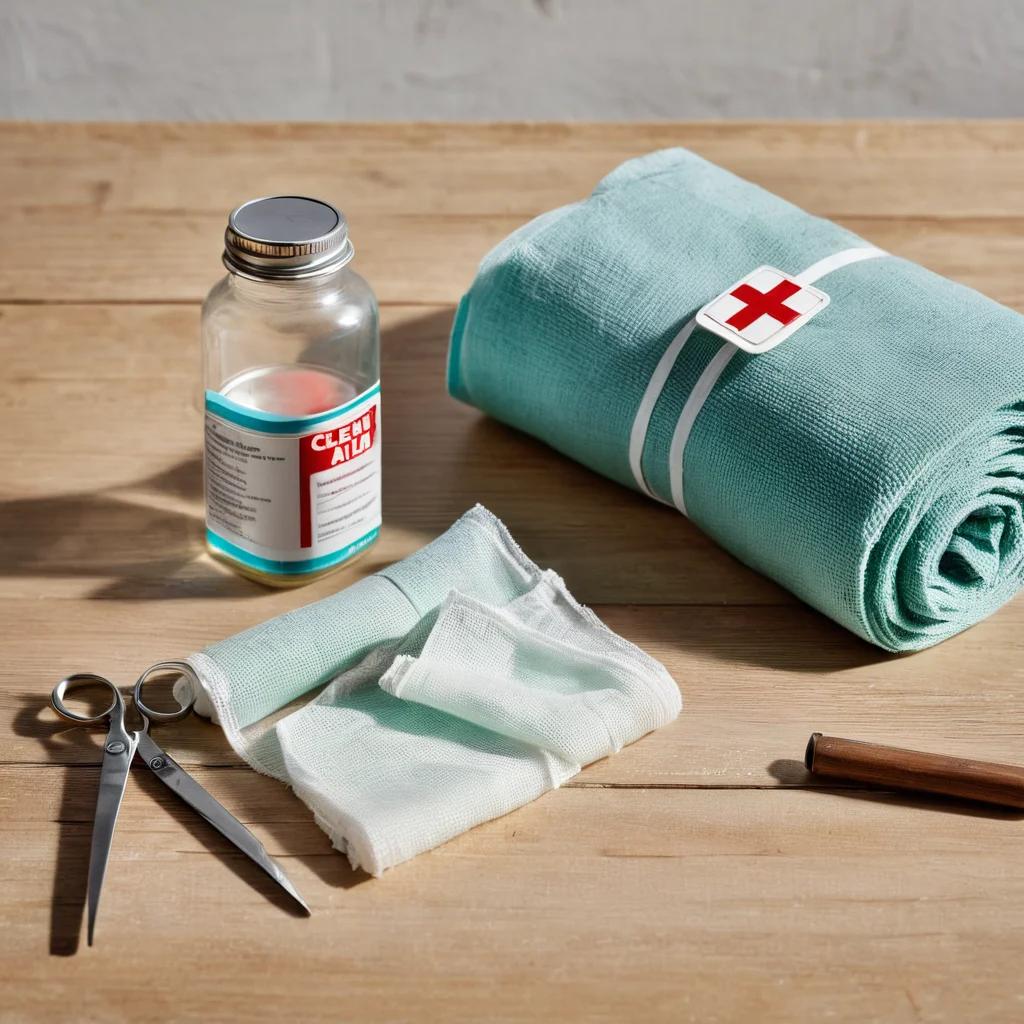
- Emergency kit: Thermometer, gauze, antiseptic, carrier, water bottle, a snakebite suction pump (if you live on the plain). Keep it ready at home.
Practical Tips
- Save the Dicle University vet faculty's phone number. It's a highly regarded vet institution in the Southeast.
- Get to know more than one clinic. A private clinic plus the university makes a reliable safety net.
- Keep your vet visit history on DoldurKabı. Records, vaccine and medication information are critical in an emergency.
- Before summer (March-April), get a heartworm test and a full parasite program.
- Dust storm calendar: if there's a weather warning, postpone your walk.
The need for a 24-hour vet in Diyarbakır is a serious reality because of the 45°C summer heat and the large, historic city layout. The biggest advantage: the Dicle University Faculty of Veterinary Medicine, a 24/7 referral hospital and a major vet institution in Southeastern Anatolia. With the right preventive steps, knowing your nearby clinics and digital tracking on DoldurKabı, emergencies can be kept to a minimum. In the DoldurKabı app, you can track 24-hour clinics in your Diyarbakır neighborhood, your vet history and your vaccine schedule all in one place.