



A dog bite: maybe a dog bit you or someone close to you, or maybe your own dog bit someone else. What each side needs to do is different, and it matters. More than 100,000 dog bite cases are reported in Türkiye every year, and a large share of them come from a familiar or pet dog (not a strange street dog; a household dog can bite too in any moment of tension).
This article covers the first-hour protocol for both owners and victims, rabies assessment, the legal process and ways to prevent future bites. Important: In a medical or legal emergency, this does not replace personal advice; this article is a general guide.
1. As the Victim: The First Hour
- Move to a safe area. If there is a risk of another attack, get away first. Find the dog's owner or call 155 (police) / 153 (municipality).
- Wash the wound with soap and water for at least 5 minutes. This is the only home measure proven to reduce rabies risk. Liquid soap is enough; antiseptic comes after.
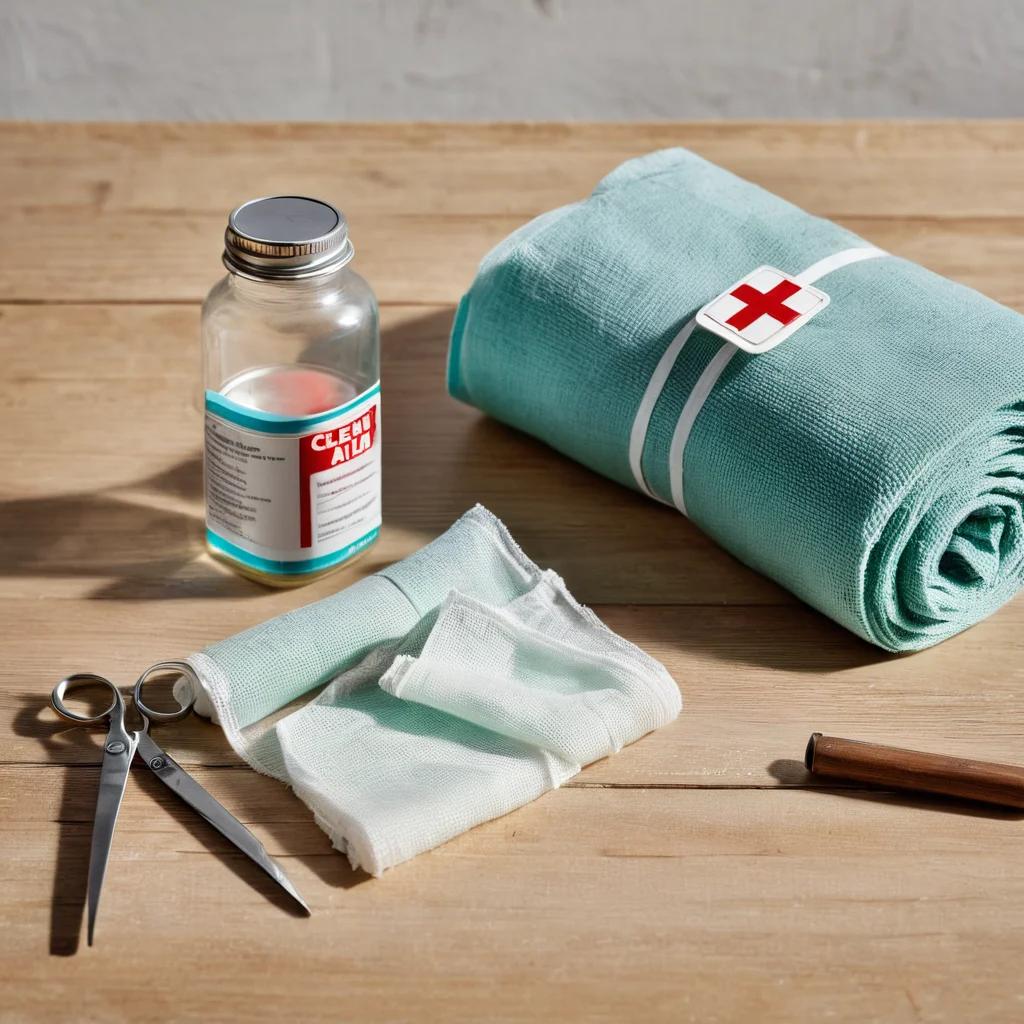
- If it is bleeding, apply pressure. Use clean gauze or a towel. If 10 minutes of pressure is not enough, go to the emergency room.
- Apply an antiseptic: Povidone-iodine or chlorhexidine. Do not use alcohol or hydrogen peroxide, because they damage the tissue.
- Go to the nearest emergency room. A vaccine and antibiotic assessment is a must.
- Get information from the dog's owner: Name, phone number, the dog's vaccination records, microchip number. As the victim, you need this information so the animal can be kept under observation for at least 10 days.
- Official report: Notify the municipal veterinary services (if needed) and keep the emergency room records for a medical report.
2. Medical Care: What Happens in the Emergency Room?
- Wound cleaning and sterilization.
- Tetanus shot: A new one if you have not had one in 5 years.
- Rabies assessment: If the dog is known, vaccinated, healthy and can be kept under observation for 10 days, the vaccine is usually not needed. Otherwise, a rabies vaccine series (usually 5 doses, on days 0, 3, 7, 14 and 28).
- Antibiotics: Depending on the depth and location of the wound.
- Stitches: Dog bites are usually not stitched (infection risk) and are left to heal open; for cosmetic areas like the face, the surgeon decides.
- Tests: For deep wounds, an X-ray (bone), MRI/ultrasound (if nerve or blood vessel damage is suspected).
For a child or elderly victim, the threshold for hospital admission is lower.
3. Rabies Risk: The Situation in Türkiye
Rabies has not been fully eliminated in Türkiye, and there is a risk especially in areas with many stray animals. If the dog's vaccination is confirmed (card and microchip check) and its health can be monitored, the vaccine may be reduced. When things are unclear, especially with a street or unknown dog, a vaccine series is started. Do not stop the vaccine series halfway on your own.
4. As a Dog Owner: If Your Dog Bit Someone
- Put the victim first. Ask about the wound and how the person is doing, and help them get to the emergency room if needed.
- Get the dog under control. Leash, muzzle and a move to a calm place.
- Give the victim your information: Your name, your phone number, the dog's vaccination card (rabies date), microchip number.
- 10-day observation: A healthy vaccinated dog stays under observation for 10 days, and this spares the victim from the vaccine series. If the dog shows a change in behavior, seizures or lethargy within those 10 days, see a vet right away.
- Report to the municipal veterinary services (this may be mandatory depending on the type of case).
- Legal process: The owner can be held responsible under Law No. 5199 and the Turkish Code of Obligations. The victim can claim compensation, medication costs and lost work income.
5. Why Did Your Dog Bite? 8 Common Reasons
- Fear: Cornered, with no way to escape.
- Pain: Touching a sore spot; a dog that suddenly turns aggressive must see a vet.
- Resource guarding: A reaction to a "take away" move near the food bowl, a toy or a bed.
- Overstimulation: After a long petting session, the "that's enough" signals were ignored.
- Territorial or pack guarding: Toward a guest or a new person.
- Poor socialization: Not enough meetings with people, kids and dogs since puppyhood.
- Maternal: In a mother dog with new puppies.
- Redirected: An attack that turns on the owner after the dog gets worked up at another dog or cat in the window.
6. Prevention: So It Doesn't Happen Again
- Early socialization (3-14 weeks): Meeting different people, places and sounds. Detailed guide.
- Body language training for the owner: Learn to read your dog's warning signals (ears back, tense posture, growling). A bite usually does not come without warning.
- Kids and dogs = always supervised. The dog's hiding spot is sacred; set the rule that kids don't go there.
- Practice touching around the food area: With a puppy, gently touch it while it eats and give a treat (this prevents resource guarding).
- Pain check: A dog that suddenly turns aggressive must get a vet exam.
- Meeting strangers: "Come closer, wait for the dog to sniff, then pet gently." No reaching out and suddenly hugging.
- Leash and muzzle training: Not just for aggressive dogs; it is protective for every dog in crowded areas.
7. The Legal Process (Türkiye)
Under the Animal Protection Law No. 5199 and Article 67 of the Turkish Code of Obligations:
- The owner is responsible (largely strict liability).
- Compensation: treatment costs, lost work income, compensation for emotional harm.
- For aggressive breeds: spaying/neutering, registration and a muzzle are mandatory.
- Reporting to the municipality depends on the nature of the case.
- Situations like the dog being seized or a banned breed list work differently.
In a serious case, getting a lawyer's opinion is the right move; this article is general information only.
8. Frequently Asked Questions
A vaccinated dog bit me. Do I still need a rabies shot?
If the dog is registered, up to date on vaccines and can be kept under observation for 10 days, the emergency doctor usually does not recommend a rabies vaccine. The final decision in the emergency room is always an individual assessment.
My dog got into a fight with another dog on the street.
On the medical side: bite wounds are prone to infection, so a vet check is a must. On the legal side: if both dogs have owners, shared responsibility is assessed.
Do I need to report a bite within the family too?
The emergency room already creates a medical record; an official complaint or lawsuit is the family's decision. But it is worth stressing: with a family dog too, the cause of the bite (pain, fear, poor socialization) should be looked into.
A dog bit my child. Will it leave a scar?
It depends on the depth and location of the wound. A surgeon's assessment may be needed; referrals to cosmetic surgery are common for the face. Don't forget psychological support for the child too, since fear of dogs can be a long-term result.
Can my dog be taken away after a bite?
A dog on the banned breed list may be seized. For other breeds, it mostly goes to court; the court may require training, observation or spaying/neutering for the owner.
My dog has never bitten but it growls. What should I do?
Growling is a warning: the signal that stops a cat or dog before the point of biting. Punishing the growl is the worst thing you can do; the warning signal disappears, and next time a bite comes straight away. Look for the reason: is it fear, pain, resources or poor socialization?
Does home insurance cover a bite?
Some home insurance policies may include dog bites under a "damage to third parties" clause. Read your policy and ask your insurer; it is not standard coverage.
Final Word
A dog bite is a chain that starts when the owner misses the warning signals. A responsible owner, a well-socialized dog and an informed community: when these three come together, bites can largely be prevented.
If you keep your dog's vaccination card, microchip number and behavior notes in DoldurKabı Pet Health Tracking, you can provide information quickly in any incident.
This guide is for information only; in a real bite case, consult medical and legal professionals.









