


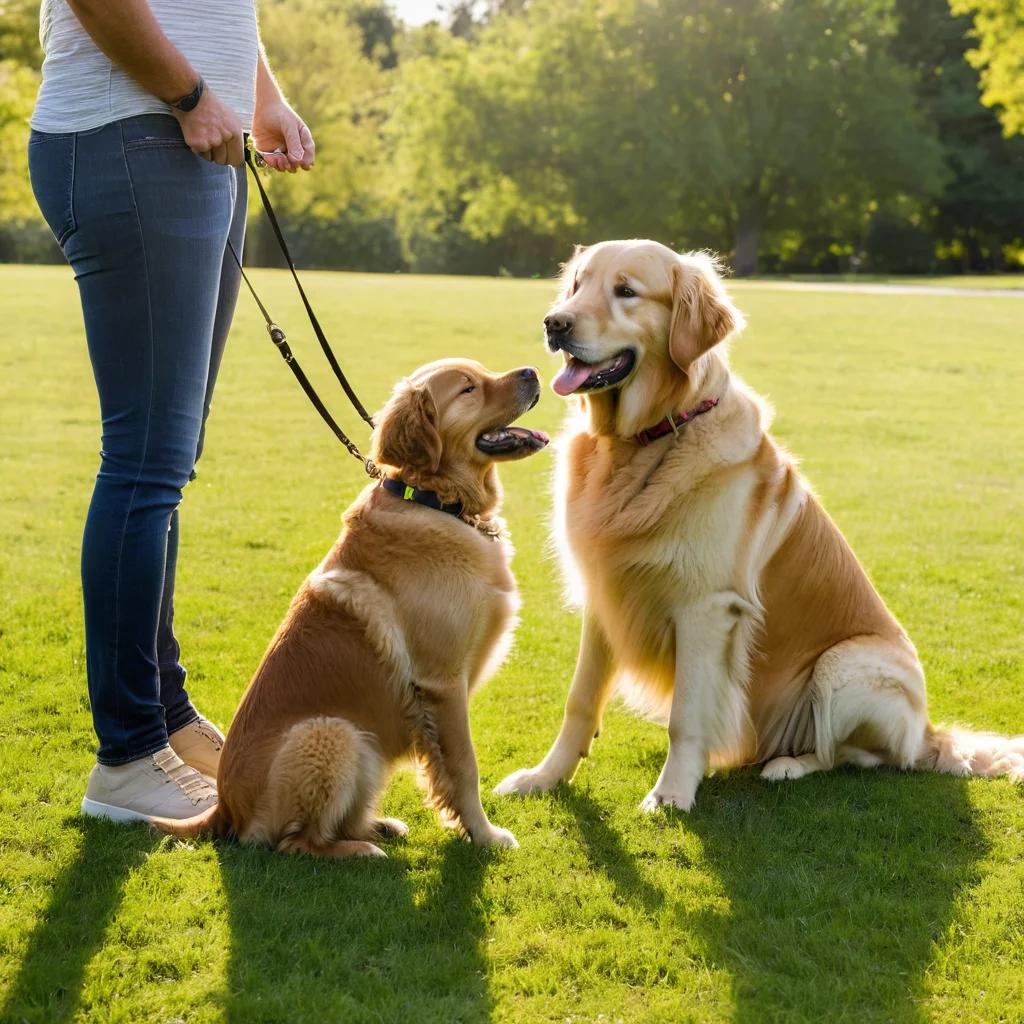

Roughly 80% of adult dog behavior problems trace back to poor early socialization: dogs that fear other dogs, bark at children, lunge at cyclists or panic at unfamiliar sounds. The good news is that socialization done right, at the right time, can prevent most of these problems from the start. This article covers the critical window for socialization, what to include, how to avoid common mistakes and what you can do if you're running late.
1. The Socialization Window: 3 to 14 Weeks
One point is accepted almost universally in canine behavior research: the period from 3 to 14 weeks is a dog's socialization window. The people, sounds, places and animals a puppy meets during this time are seen as "normal" later in life. Things the puppy doesn't meet during the window tend to be seen as potential threats.
- 3 to 7 weeks: With mom and littermates. During this stage the puppy learns bite control, the limits of play and communication from its mother and siblings. A puppy taken home before 8 weeks misses part of these lessons and may show problem behavior later.
- 7 to 14 weeks: The move to a new home, plus meeting the human family and the outside world. This is the most critical stage.
- After 14 weeks: You can't say socialization is completely over, but the speed at which a puppy accepts new things drops noticeably.
This period also overlaps with the vaccination schedule. Owners who are afraid to take the puppy out before vaccines are complete often make a common mistake here. Controlled socialization approved by your vet is a must.
2. Seven Categories to Introduce
- People: Different ages and genders, people in uniforms, wearing hats, with beards, carrying a stick or cane. Children and babies are especially important.
- Other dogs: Different breeds, sizes and ages; stick to well-socialized, calm adult dogs.
- Other animals: Cats, birds, horses, cows (if available); start from a distance.
- Places: City noise, busy streets, parks, elevators, cars, the front of a grocery store.
- Surfaces: Grass, concrete, grates, plastic, metal, water, slippery floors.
- Sounds: Vacuum cleaner, washing machine, doorbell, ambulance, thunder (start with recordings, then move to the real thing).
- Vet and grooming routine: Touching paws, handling the mouth, practicing nail trims, all with positive rewards.
The goal: every introduction should be a positive or neutral experience. Even one frightening experience can create a long-term phobia.
3. Socialization Exercises: Practical Examples
The "Meet Five" Weekly Plan (Weeks 8 to 14)
Try to introduce your puppy to 5 different people each week:
- Week 8: Family members and close friends (calm adults).
- Week 9: Add a neighbor with children (supervised by an adult).
- Week 10: Add a person in uniform (start with a delivery courier, then include police officers or firefighters).
- Week 11: Add an older person or someone with a cane.
- Weeks 12 to 14: Add dogs of different sizes and breeds (well-socialized, vaccinated adult dogs).
At every introduction, the puppy gets a reward (a small treat) and calm praise. If the puppy gets scared, don't force it. Increase the distance and try again.
Exposure to Places
- Before vaccines are complete, take the puppy out in your arms or in a pet stroller: visual and auditory exposure without putting paws on the ground.
- Once vaccines are complete (12 to 16 weeks), go for leashed walks in the park.
- Controlled contact with elevators, the back seat of a car and the front of a grocery store.
Exposure to Sounds
- YouTube has "puppy sound desensitization" playlists. Play thunder, fireworks, a crying baby and so on at low volume while you go about normal activities with your puppy.
- As the puppy listens and gets rewarded, it learns that these sounds are "normal."
4. The Seven Most Common Mistakes
- Keeping the puppy home until vaccines are done. Won't the window close? Carry the puppy outside; seeing and hearing is enough. Socialization that starts after 16 weeks is late.
- Forcing the puppy to meet an adult dog. An early encounter with a tense or aggressive adult dog can be traumatic.
- Taking the puppy to a dog park before 4 months. Contact with unfamiliar dogs whose vaccine status is unknown is both a disease risk and a social trauma risk.
- Picking the puppy up and saying "it's okay, it's okay" when it's scared. The dog reads this as "being afraid is the right reaction," which reinforces the fear.
- Exposing the puppy to just one person or place. "Good with the family" isn't enough. Variety is essential.
- Thinking socialization is "done" after puppy class. It continues after 14 weeks and needs to be maintained.
- Saying "there's no hope" if you're late. Adult socialization is slow but possible; more on that in the next section.
5. Adult Dog Socialization: Still Possible if You're Late
Did you miss the window before 15 weeks, or did you adopt an older dog? Socialization is slow but possible. It just takes patience and the right protocol.
Gradual Exposure (Desensitization)
Start with the source of fear at a distance and reward the dog at the distance where it stays calm. Then patiently close the gap. Example for a dog that barks when it sees another dog:
- Week 1: The dog sees the other dog from 50 meters away; if it stays calm, it gets a reward. If it reacts, you increase the distance.
- Week 2: 30 meters.
- Week 3: 15 meters.
- Weeks 4 to 6: Close contact, leashed and supervised.
There's no "quick fix"; every dog moves at its own pace.
Counter-Conditioning
When the dog sees the trigger, it's rewarded for automatically looking at its owner. This turns the fear reaction into a "wait, look at me, get a reward" chain. It takes months of consistent practice.
6. Professional Support
- Puppy classes: Join between 8 and 16 weeks, with a certified trainer. You get both socialization and basic commands.
- Certified behaviorist: For severe lack of socialization, or aggressive or intensely fearful behavior.
- Vet exam: Sudden social withdrawal in an adult dog can have a medical cause (pain, hypothyroidism). Start with a vet checkup.
7. Frequently Asked Questions
My puppy is 6 months old. Did I miss socialization?
The critical window has largely passed, but it's not "too late." Gradual exposure and positive rewards can make up the lost ground. Be patient and consistent.
Are puppy parks safe?
For a puppy that's 4 to 5 months old (all vaccines done) and has the basics of socialization, going to the park on a leash is fine. An open, off-leash puppy park (under 4 months, with unknown dogs) is risky.
My dog is only good with me and barks at everyone else. Is that a problem?
That's partial socialization. An adult socialization program with gradual exposure works. If the dog isn't aggressive, don't rush to intervene; a consistent program over 4 to 6 months makes a difference.
Does socialization mean pushing my dog onto every person?
No, quite the opposite. The goal is for your dog to stay calm in every situation, not to be friendly with everyone. "Sees it, doesn't flinch" is enough; "licks everyone" isn't needed.
How do I walk a dog that's afraid of other dogs?
Choose wide streets and routes with few dogs. When a trigger appears, add distance and win back attention with a reward. Instead of forcing stressful contact, follow a gradual 8 to 12 week program.
Is doggy day care enough for socialization?
A well-run day care doesn't replace early socialization, but it can help maintain socialization in an adult dog and add new experiences. It shouldn't be the only channel; other settings (a variety of people and places) are needed too.
Final Word
Socialization isn't a checklist. It's a way of looking at the world together with your dog. Starting in the early days with one small new experience each day means that by adulthood you'll have a dog that says "I have seen it all, nothing scares me."
If you write your socialization plan, your observations and your vet's recommendations in the notes section of DoldurKabı Pet Health Tracking, you can track progress systematically.
This guide is for information only; for serious behavior problems, get support from a certified canine behavior specialist.









