


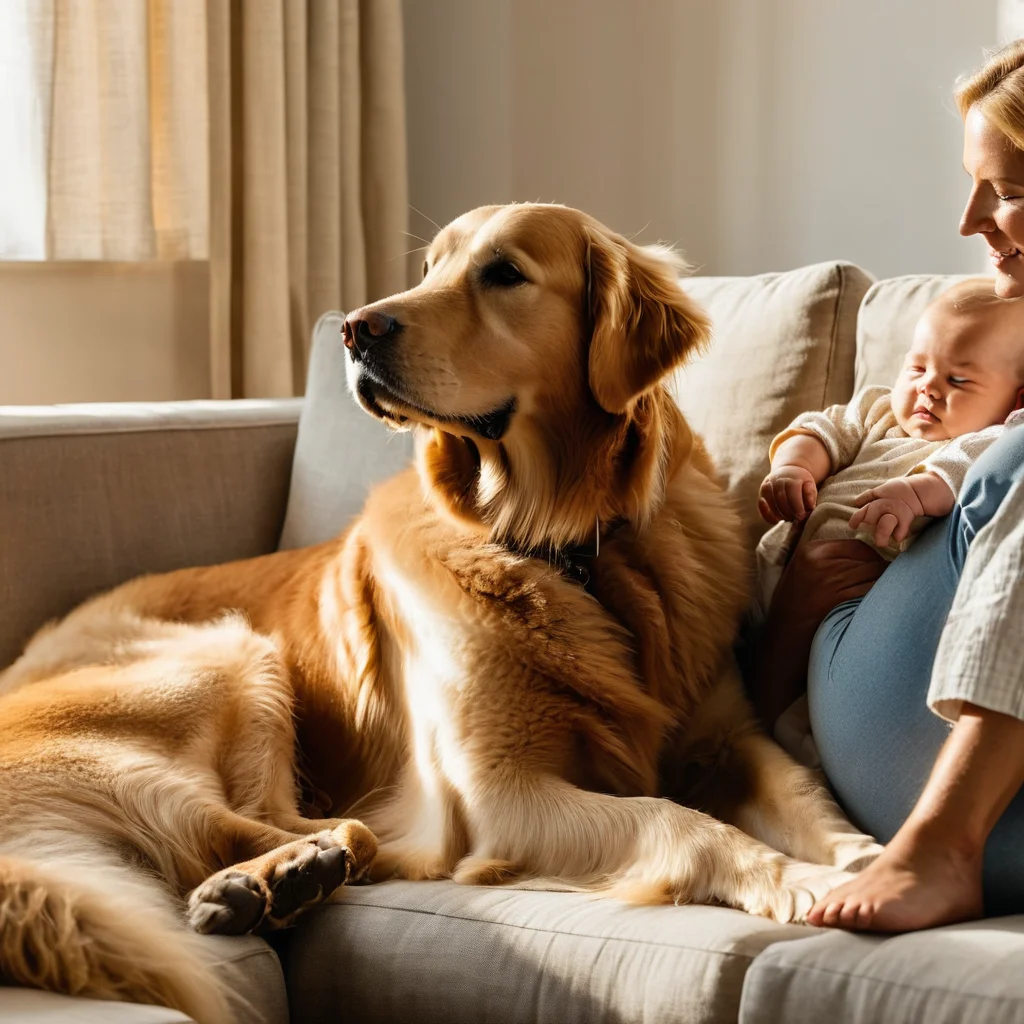

A new baby is on the way, a partner is moving in or you're adding a second pet, and suddenly your current pet is acting aggressive, sulky or hiding. The common explanation: "jealousy." Behavior experts don't define this exactly as "human-style jealousy," but the reactions they call resource competition, worry about losing their place and a disrupted social balance are real. Managed well, the new addition to the family is accepted within 4 to 6 weeks; ignored, the problems can last for years.
This article covers dog and cat reactions, adaptation protocols for a new baby, partner or pet, and common mistakes.
1. "Jealousy" or Stress?
Science doesn't offer firm proof that the human definition of "jealousy" applies one-to-one to dogs and cats. But:
- Dogs show a "sense of unfairness" (for example, if two dogs do the same training and one is left without a reward, it reacts).
- Cats show clear behavior changes when competing for resources.
- Less attention from the owner means stress, which shows up as behavior signals.
In practical terms: whatever you call it, the behavior is there and needs to be managed.
2. A New Baby Is Coming: Preparation Protocol
Preparation that can start 9 months ahead brings most cases to a happy ending.
During Pregnancy (Months 5 to 9)
- Brush up on your dog's basic commands: "Sit," "bed," "stay." Basic boundaries are valuable once the baby arrives.
- Reinforce potty training (so accidents don't start again in an older dog).
- Play recordings of baby sounds ("baby cry desensitization" on YouTube) so your dog or cat gets used to them.
- Set up new furniture before the baby is born, so your dog or cat can adjust to the new environment.
- Practice visits to the nursery: Make it clear whether "you can come in here" or "this room is off limits."
- Bring home the scent of a baby blanket or diaper ahead of time to build a positive association.
After the Baby Arrives
- Keep the first meeting calm: The baby is asleep, the dog is on a leash and the owner speaks in a relaxed tone.
- Carry the baby's scent to the dog, for example on a blanket.
- Supervised contact: Never leave them alone together, whether the dog is large or small.
- Keep the old routine: Walk times, feeding, rewards; fit them in with the new life.
- Positive association: When the baby is around, the dog gets rewards and affection. "Baby = good things happen."
- Respect "their own space": The dog's bed is sacred; even as the child grows, the child doesn't go there.
3. A New Partner Is Moving In
- First meetings in a neutral place (like a park) reduce defensiveness at home.
- Give the partner the reward-giving role: food, treats and play build a positive bond.
- The old routine stays, but the new person slowly takes on an owner role.
- The dog's bed and food bowl are protected: at first, the new person doesn't touch these resources.
- Discuss the partner's allergy risk ahead of time; plan grooming and cleaning.
- Be patient for 2 to 4 weeks while the new person gets coded as "family" rather than a "threat."
4. A Second Pet Is Coming
The detailed protocol is in the multi-cat household guide. In short, for dog plus dog:
- First meeting in a neutral area (street, park).
- Walk together; parallel activity is positive.
- When entering the home, the resident dog goes first, the new dog second.
- Keep resources (food, bed, toys) separate.
- Supervise for the first 1 to 2 weeks.
- Give the resident dog priority (attention, feeding order).
5. Jealousy Behaviors
In Dogs
- Getting between the owner and the baby or new animal.
- Barking or whining when the owner's attention is elsewhere.
- Chewing furniture or belongings (and regression in a dog that was house-trained).
- Excessive attachment to food and toys (resource guarding).
- Aggression (a warning sign that needs quick action).
In Cats
- Hiding and avoiding social contact.
- Urinating outside the litter box.
- Excessive meowing.
- Refusing food.
- Hissing at the baby or new animal.
6. The Six Most Common Owner Mistakes
- Dropping the old routine. "The baby's here, no more walks for the dog." That's a trigger for the dog.
- Making changes before the baby is born. The dog learns "baby = I'm losing out."
- Punishment. Yelling "Stay out of the nursery!" codes the bond with the baby as a bad association.
- Leaving them alone without supervision. A baby and a dog alone together on a bed is the highest-risk combination.
- "Cutting back" attention for the dog or cat. Fairly sharing your attention and time prevents jealousy.
- Sudden change. If the bed spot, feeding room and walk times all change at once, your dog or cat gets lost.
7. How Long Adaptation Takes
- Easy case: The dog is social and well trained, and the owner follows the protocol: 2 to 4 weeks.
- Moderate case: The pet's temperament is a bit sensitive, and the owner is careful: 4 to 8 weeks.
- Hard case: The dog or cat is anxious, and the owner is inconsistent: 2 to 6 months plus (if needed) a behavior specialist.
Patience and consistency are the main factors.
8. Frequently Asked Questions
My dog comes over to me when the baby is around. Is it jealous?
It's usually an "owner space" reaction: the real trigger is closeness to the owner, not the baby. Giving the dog rewards and affection while the baby is there builds a positive bond.
I got a new pet, and my older pet is hiding.
That's a stress reaction. If you didn't follow a 2-week introduction protocol, start over. Make sure the older pet's resources are secure and introduce the new pet gradually.
My dog won't go into the nursery. Why?
It's a good sign of understanding boundaries. Instead of a strict ban, build a positive association with "come in, get a reward"; it works well if taught before the baby arrives.
My cat keeps hissing at my partner.
Introduce them gradually: your partner tosses food to the cat from a distance. Build the connection with rewards instead of direct touch. Be patient for 4 to 6 weeks.
My dog reacts aggressively to the baby crying.
This is urgent: see a behavior specialist and a vet. Never leave them alone together without supervision. In some cases training is enough; in severe cases you need professional support.
Are pets and babies safe together?
Generally very safe, but with a protocol. Never leave them alone together; keep the environment supervised, resources separate and boundaries clear.
Is a second cat or a dog the better choice?
It depends on your current pet's personality and your lifestyle. An independent, social cat welcomes a second cat well; a pack-oriented dog prefers a second dog.
Final Word
When a new family member arrives, a pet's "jealous" behavior is normal, and with a protocol it can be prevented and managed. A patient owner plus a consistent approach means peaceful integration in 4 to 8 weeks.
Record your behavior notes and protocol progress in DoldurKabı Pet Health Tracking.
This guide is for information only; in serious cases, get support from a certified behavior specialist and a vet.









