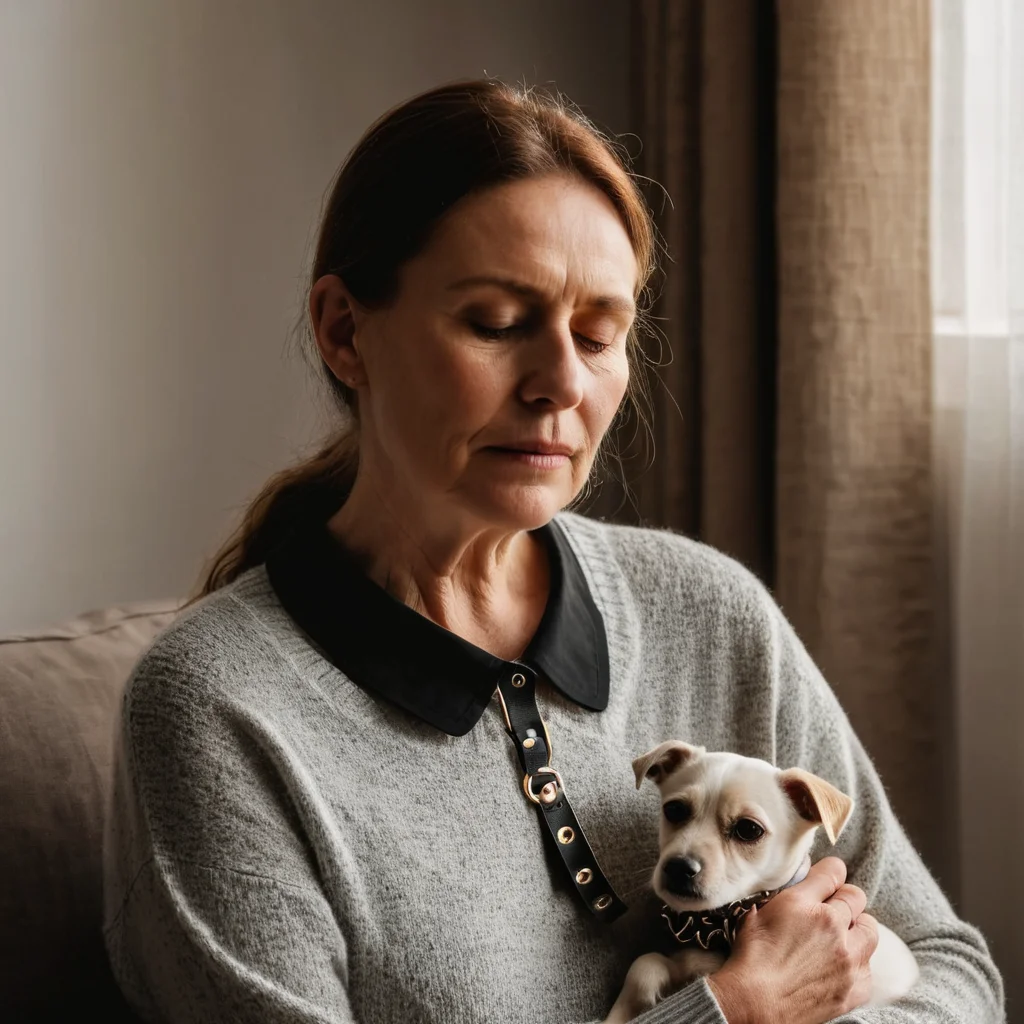

Shelters are full, many animals on the street need help, and a forever family is not always available right away for each of them. This is exactly the gap a foster home fills: you host an animal in your home until it is adopted and walk it through healing, settling down and getting known. It may not seem as big a decision as a permanent adoption, but it is a serious role with its own responsibilities.
In this guide we go step by step through what being a foster home means, what to ask yourself before deciding, and every stage from arrival to saying goodbye.
What exactly is a foster home?
A foster home is an arrangement that lets an animal stay in a safe home until it finds its forever family. Sometimes it is an agreement with a shelter or a volunteer group, and sometimes it is a job you take on yourself for an animal you found on the street. It can last anywhere from a few weeks to a few months.
What a foster home gives an animal is not just a roof. An animal living in a home gets used to a routine, learns to trust people, and its personality comes out. That makes you the person who knows it; later, when you choose the right family for it, this knowledge becomes very valuable.
Ask yourself before you decide
Fostering starts with good intentions, but if the practical conditions are not right, it can wear out both you and the animal. Before you begin, answer these questions honestly:
- Is there a separate space in your home? In the first days the animal needs a quiet room or corner where it can rest on its own.
- Are the other pets at home ready? Are your current cat's or dog's vaccines up to date, and how will they react to a new animal?
- Do you have enough time? A shy or recovering animal needs daily attention, follow-up and patience.
- Is everyone at home on board? When everyone living in the home supports the decision, the process gets easier.
- Can you say goodbye? The point of a foster home is to send the animal off to another home. Think about whether you can carry that emotional weight.
Clarify responsibilities from the start
If you are working with a shelter or a volunteer group, talk through who does what before the animal comes home. Topics left unclear are the main things that cause tension later.
- Who is responsible for vet checkups and costs?
- Who will provide food, litter and basic supplies?
- Who will talk to people who want to adopt, and who makes the final decision?
- Roughly how long will it take, and what happens if it takes longer?
- In an emergency, who will you contact, and in what order?
If you took the animal in on your own, it still helps to write down the answers to these questions. That way you can plan both your budget and your time realistically.
Basic supplies list
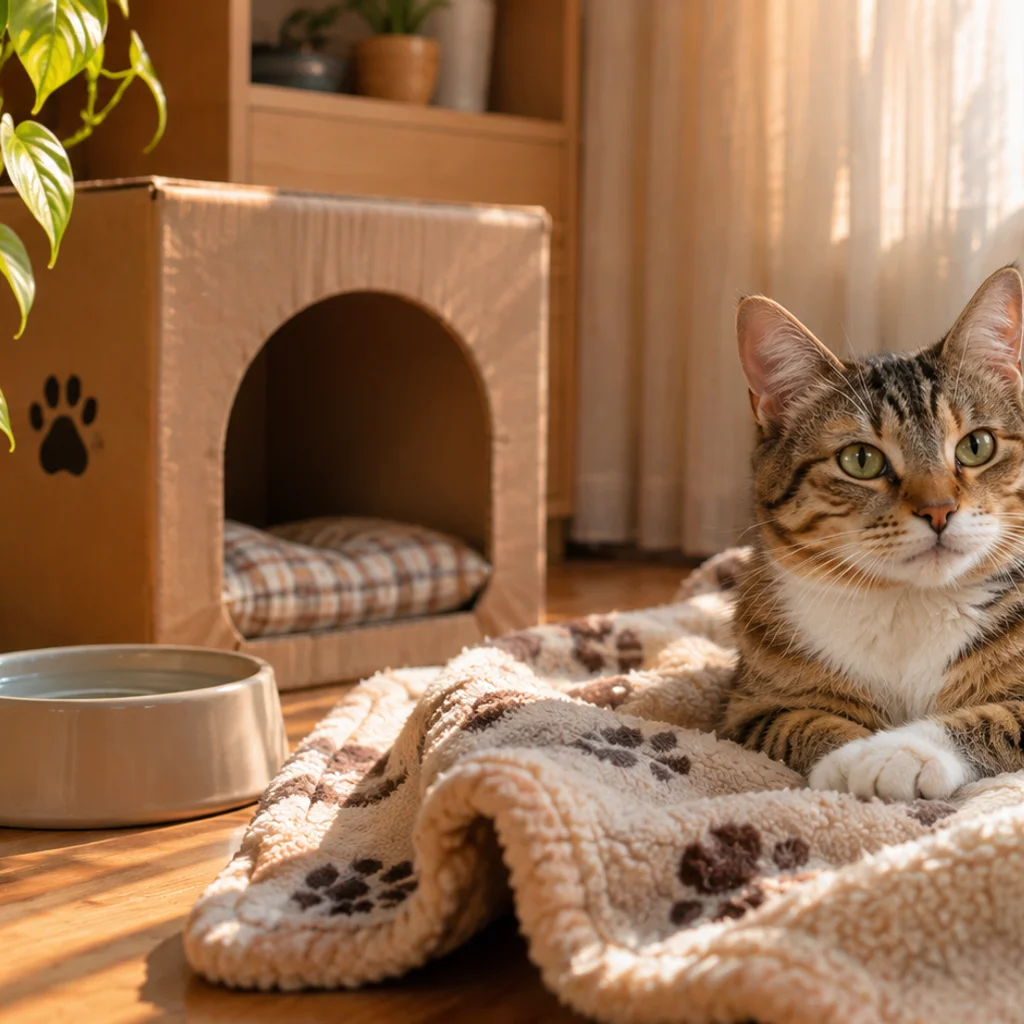
Having a few basics ready before the animal arrives lets you get through the first day without a rush. You do not need a long shopping list; most things can already be found at home.
- A water bowl and food bowl, and food suited to the animal's age
- A litter box and litter for a cat, a collar and leash for a dog
- A washable bed or an old blanket
- A secure carrier; you need it for vet visits and for a possible handover day
- A few simple toys, and a scratching surface for a cat
- Safety measures for windows and balconies; cats especially can be prone to escaping in a new home
If you are working with a shelter or a volunteer group, they may provide some of these supplies. Asking ahead saves you unnecessary spending.
Arrival: the first days
Prepare a quiet room
Instead of letting the animal straight into the middle of the house, start in a room with a door that closes. Keep water, food, a bed and, for a cat, the litter box in this room. Leaving a corner where it can hide helps a shy animal feel safe.
Do not put off the health check
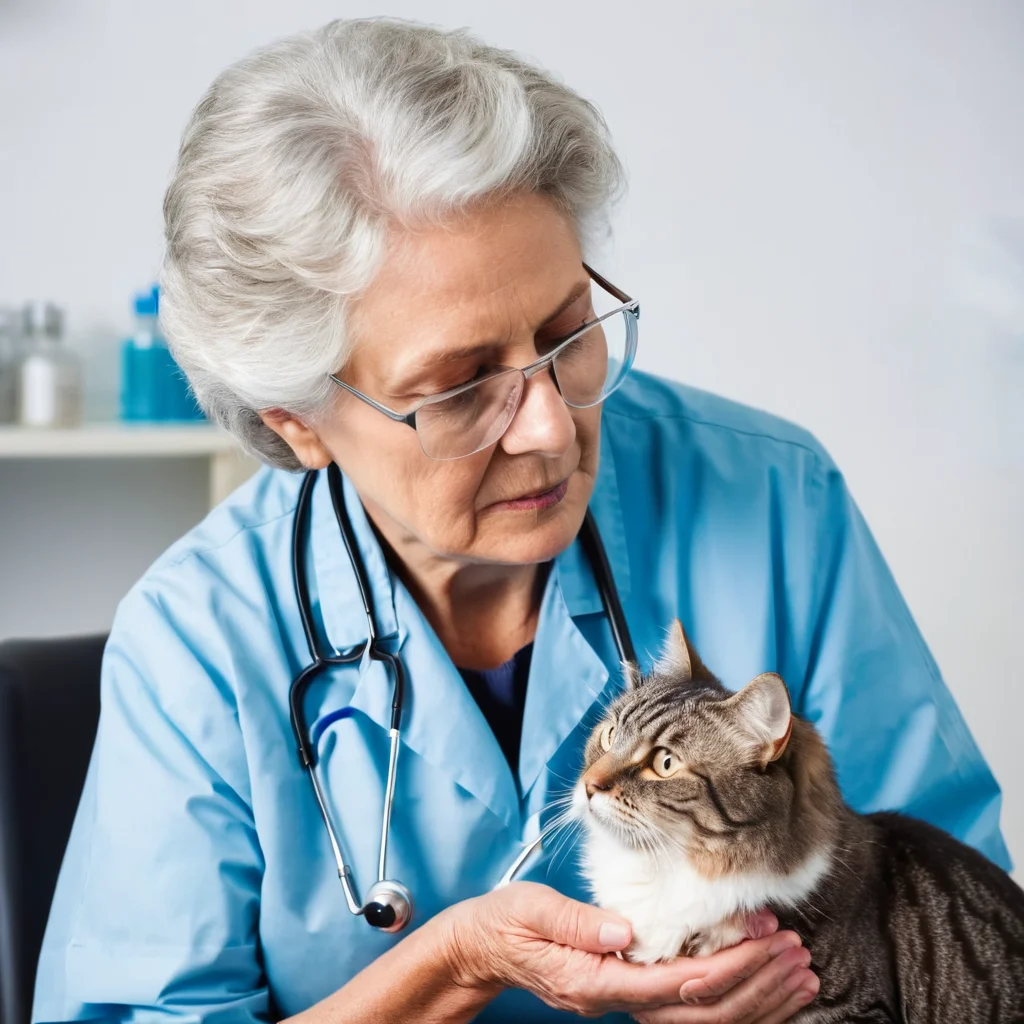
For an animal with an unknown history, one of the first steps is a checkup with a veterinarian. Get the vet's advice on a general exam, parasite treatment and a vaccination plan. Until the checkup is done, keeping direct contact with the other pets at home limited is a healthy approach.
Do not rush
Some animals come to your lap from the first hour, while others hide for days. Both are normal. You build trust without forcing it, by feeding at the same times and talking in a calm voice.
Getting to know the animal: keep a small observation notebook
One of the important things a foster home contributes is bringing out the animal's real personality. Keeping short notes helps a lot with this:
- Eating habits and the type of food it likes
- How it reacts to people, children and guests
- How it gets along with other animals
- How it behaves when left alone
- Sounds or situations it is afraid of
- Games it likes and its daily energy level
These notes give you an honest, concrete description when you write the listing and talk to potential families. Being able to say "wants to play in the mornings, sleeps on your lap in the evenings" instead of "very sweet" makes it easier to find the right family.
Your role in the adoption process
Once the animal is healthy and calm, you can start looking for its forever family. Prepare a listing with the details from your observation notebook and a few photos taken in good light. Posting an adoption listing on DoldurKabı is free; you can find detailed tips on how to write it in the guide to writing an adoption listing.
Do not rush when talking to candidates. You are the one who knows the animal closely; asking whether its needs fit the candidate's lifestyle is your right. If you are working with a shelter or group, sharing your observations with them contributes directly to the decision.
Saying goodbye
For most foster parents, the hard moment is sending the animal off to its new family. Letting go of a life you have cared for every day for a few weeks or months naturally brings sadness. There is no need to push that feeling down.
A few things make the goodbye easier:
- Send the animal's bed or a blanket it slept on to its new home; a familiar smell softens the transition.
- Give the notes from your observation notebook to the new family.
- Make a gentle agreement with the family about getting updates in the first weeks.
- Give yourself a break, and then, if you feel ready, open your door to a new animal.
Remember that every animal you send off means a new space opening up in your home. You can start the same journey for the next animal too.
Frequently Asked Questions
Can I adopt the animal I am fostering myself later?
Yes, this happens often. If you are working with a shelter or group, just talk your decision over with them. It is important, though, to make this decision not only because of the bond you feel with the animal but also with your long-term living situation in mind.
Can I foster while I have a cat at home?
You can, but your current cat's health and personality are decisive. Keeping the newcomer in a separate room until its vet checkup is done and introducing them gradually is safer for both animals.
How long does fostering last?
There is no fixed length. The animal's health, age and personality, and how much interest the listing gets, all affect how long it takes. Deciding on a length that suits you before you start and talking it over with the people involved also lets you plan ahead for what to do if it takes longer.
What should I do if the animal cannot settle in at home?
Hiding and shyness in the first days usually pass with time. If the behavior does not improve within weeks, or if it puts the other pets at home at risk, share the situation with the shelter or group right away and look for another solution together. Speaking up early instead of quietly carrying the load is better for the animal too.