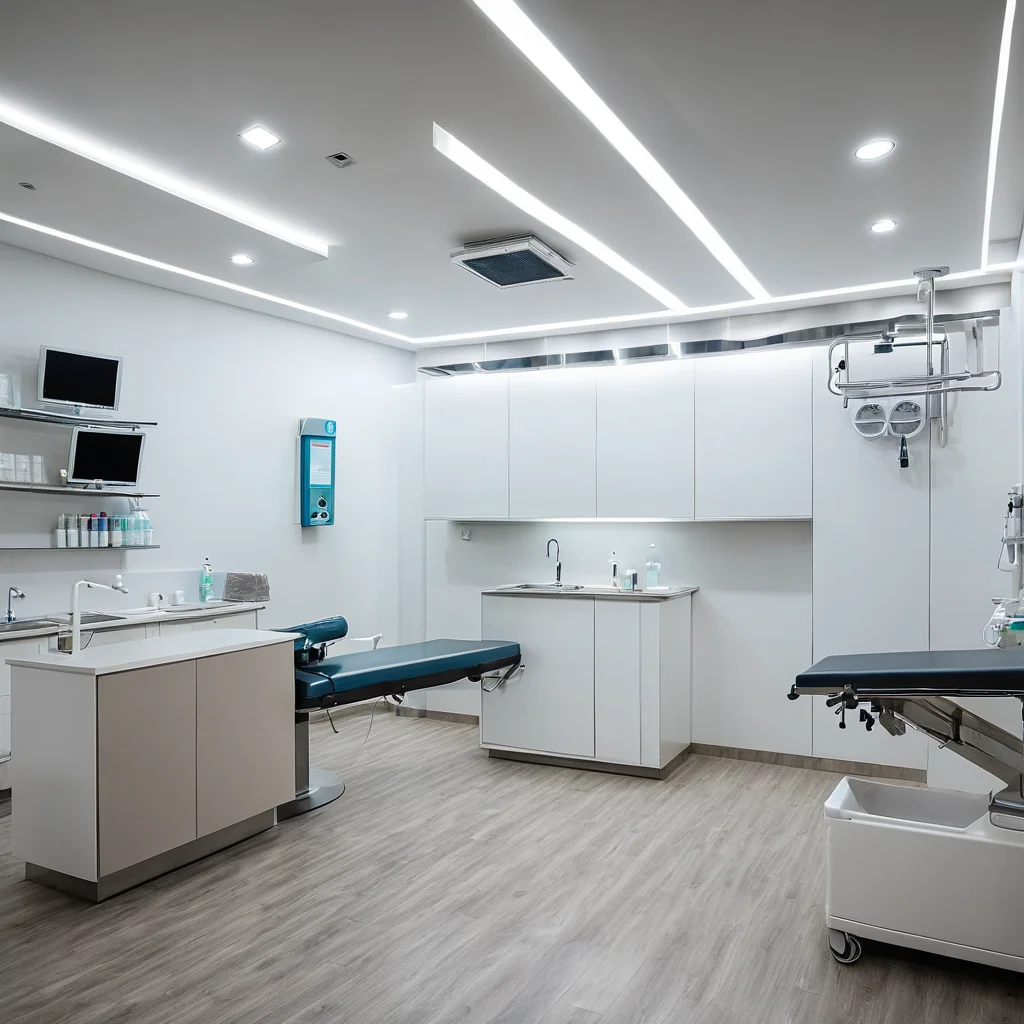

Kayseri is an industrial city in Central Anatolia at the foot of Mount Erciyes, and its harsh continental climate and big-city layout make 24-hour vet care important. A major advantage for Kayseri: the Erciyes University Faculty of Veterinary Medicine (Talas) offers 24/7 emergency service and is a well-established veterinary referral hospital. Clinics in the city center also offer 24-hour service, most of them in Melikgazi and Kocasinan. When an emergency vet visit is needed, knowing which symptoms are urgent, which clinic is open at night and what to do on the way can save a life. In this post we take a detailed look at 24-hour vet care in Kayseri.
How Do You Find an On-Duty Vet in Kayseri?
Just like pharmacies, veterinary practice runs on an on-duty rotation: the provincial Chambers of Veterinarians (Veteriner Hekimleri Odası) publish a weekly on-duty list, and municipalities and clinics share it too. When you are looking for an open clinic in Kayseri at night or on a public holiday, check these in order:
- The website and social media account of your city's Chamber of Veterinarians. The weekly on-duty list is usually announced there.
- The municipality's official website; many metropolitan municipalities publish on-duty vet information.
- The phone number of the clinic you usually go to. If it is closed, most clinics name that night's on-duty clinic on their answering machine or on their door.
- The animal hospital of a university Faculty of Veterinary Medicine, if there is one; many of them accept emergencies 24/7.
Always call before you set off: the on-duty clinic may have changed, and when you describe the situation they can get ready.
Emergency Vet Clinics in Kayseri
Clinics are concentrated around the Erciyes University Faculty of Veterinary Medicine (Talas), central Melikgazi (Yenidoğan, Hisarcık), Kocasinan (Sahabiye, Şeker), Talas, and İncesu and the rural districts; which one is open on a given night changes.
You can find the nearest 24-hour clinic on a map in the DoldurKabı app.
Which Symptoms Are an Emergency: Cats
- Unable to urinate: Especially in male cats (urethral blockage). Fatal within 24 hours.
- Difficulty breathing: Open-mouth breathing, blue tongue. A heart or lung emergency.
- Repeated vomiting + diarrhea: 6+ hours. Risk of dehydration.
- Signs of freezing (winter): Shivering, reduced movement, cold paws. The opposite of heatstroke and a common emergency in Kayseri.
- Trauma: Falls, being hit by a car, wounds after a fight.
- Suspected poisoning: Swallowing something, insect or snake bites (summer).
- Antifreeze poisoning (winter): Car maintenance season, fatal.
- Altered consciousness: Trouble walking, head tilt, seizures.
Which Symptoms Are an Emergency: Dogs
- Swollen belly + restlessness: Bloat (GDV). Fatal in large breeds (such as the Kangal and Akbaş, common in Kayseri), and minutes matter.
- Difficulty breathing: Very labored breathing, open-mouth.
- Repeated vomiting + altered consciousness: Poisoning or internal bleeding.
- Hypothermia (winter): Body temperature <37°C, shivering, reduced movement.
- Frostbite (paws): Long walks in the cold, paws turning black or crusting.
- Trauma: Cars, falls, fights.
- Snake or scorpion bites (summer): Around Erciyes + the rural districts.
- Unable to urinate / bloody urine: Bladder stones or a blockage.
- Seizures: A vet is needed fast.
- Birth complications: 2+ hours of pushing but no puppy comes out.
Before the Clinic: The Phone Call
- Which clinic is open? Clinics working at night on DoldurKabı, or the Erciyes University Faculty of Veterinary Medicine directly.
- Your pet's condition: Clear symptoms.
- Travel time: In an emergency, the vet guides first aid over the phone.
- First aid instructions: The vet tells you specific first aid steps (warming for hypothermia, and so on).
- Getting to and from the clinic: Some clinics may ask for payment up front; have your wallet + phone ready.
- Winter road conditions: Roads in the city center may be closed, so plan an alternative route.
First Aid Protocol on the Way
- Keep them calm: Soft voice + a steady position.
- Transport: A carrier for cats; a leash + blanket for dogs.
- Hypothermia (winter): Wrap the body in a lukewarm (not hot) blanket and turn on the car heater. Place a hot water bottle so it does not touch the skin directly.
- Frozen paws: Rubbing is FORBIDDEN, it damages tissue. Warm them slowly with lukewarm (38°C) water.
- Bleeding: Apply pressure with a clean towel.
- Poisoning: Bring the swallowed substance in its packaging. With antifreeze, MINUTES matter.
- Seizures: Protect them from falling, and do not try to pull out their tongue.
Common Emergencies in Kayseri's Winter Months
- Hypothermia (cold shock): The most common reason for emergency vet visits in Kayseri during the winter months. Critical for small or short-haired breeds + puppies and kittens + senior pets.
- Antifreeze poisoning: Winter car maintenance season. Fatal for a cat or dog that drinks it for its sweet taste, with kidney failure within 4-6 hours.
- Frostbitten paws: Walking on snow or ice for a long time.
- De-icing salt/chemicals: Salt or chemicals spread on the street irritate paws, and cause poisoning if licked.
- Respiratory infections: A cold + dry climate, especially the temperature difference between indoors and outdoors.
- Stove accidents: Stove burns + smoke poisoning in older apartment buildings.
Summer Emergencies in Kayseri (Fewer, But They Happen)
- Heatstroke: On 30°C+ days, 5 minutes in a car without air conditioning can be fatal.
- Snake or scorpion bites: Around Erciyes + the rural districts.
- Pollen allergy: Spring season, heavy around Erciyes.
- Flea allergy: Increased flea and tick pressure in the summer months.
Emergency Vet Cost Items (Kayseri)
- Emergency exam (Erciyes University Faculty of Veterinary Medicine): Affordable, reasonable with students assisting.
- Surgery (complex cases, Erciyes University): Cases come even from across Türkiye. High quality, moderate price.
In an emergency, do not lose time comparing prices; get your pet to a veterinarian first. The fee depends on the city, whether it is a clinic or a hospital, after-hours timing, imaging or hospitalization, and your pet's weight and age. The provincial Chamber of Veterinarians publishes a yearly minimum fee schedule; the schedule is a floor, not the final bill. Ask the clinic for a written or verbal cost estimate.
Preventive Measures in Kayseri
- Winter discipline: A coat or sweater + paw boots for dogs. A heated bed + insulation for cats.
- Be careful with antifreeze: Do not spill it during car maintenance, and clean it up right away. Keep it where your pet cannot reach.
- Contact with de-icing materials: After walks, rinse paws with fresh water + dry them with a towel.
- Yearly check-up: Blood + urine + heart and lungs. Affordable at Erciyes University.
- Vaccination schedule: Combination + rabies, complete.
- Microchip + DoldurKabı registration: The risk of pets getting lost is high in the winter months.
- Emergency kit: Thermometer, gauze, antiseptic, carrier, water bottle, and something to keep warm in winter, ready at home.
Practical Tips
- Save the Erciyes University Faculty of Veterinary Medicine phone number. It is a well-regarded veterinary institution and an advantage for Kayseri.
- Get to know more than one clinic. A private clinic + the university together make a safety net.
- Vet visit history on DoldurKabı: Records + vaccines + medication information are critical in an emergency.
- Before winter (October), check winter clothing + the heating setup.
- Winter road conditions: Plan an emergency route for snowy or icy roads (the condition of the main roads).
The need for 24-hour vet care in Kayseri is a real one because of the harsh continental climate and the industrial city layout. A major advantage: the Erciyes University Faculty of Veterinary Medicine is a 24/7 referral hospital and a well-established veterinary institution. With the right preventive measures + knowing a nearby clinic + digital tracking on DoldurKabı, emergencies can be kept to a minimum. In the DoldurKabı app you can keep track of 24-hour clinics in your Kayseri neighborhood, your vet history and your vaccination schedule in one place.