


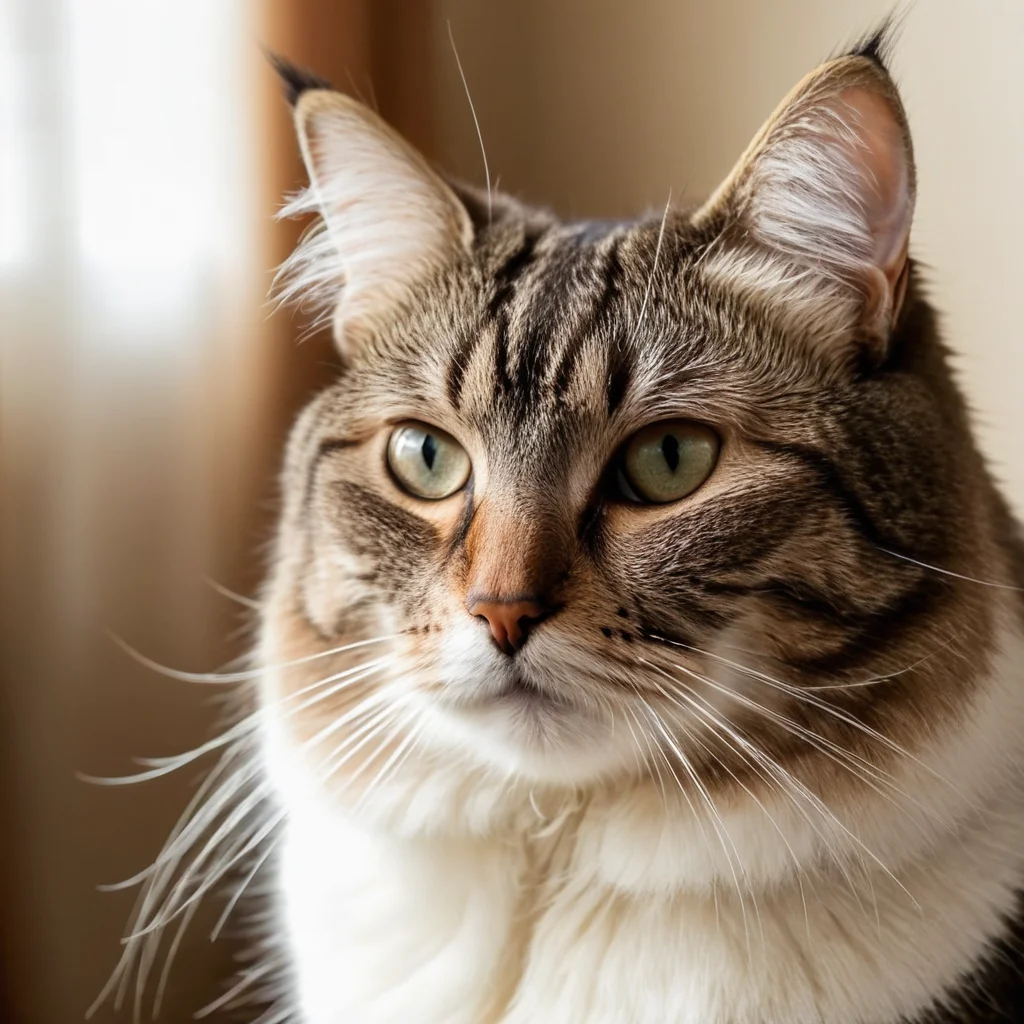

Feline Cognitive Dysfunction Syndrome (FCDS) is cognitive decline in senior cats, similar to canine CDS. It affects 30% of cats aged 11+ and 50% of cats aged 15+. Many owners write it off as "my cat is just getting old," when in fact it can be treated. Constant meowing at night and disorientation are its most common symptoms. In this post, we take a detailed look at FCDS and how it's treated.
1. FCDS Pathophysiology
- Age-related degeneration of brain neurons.
- Buildup of beta-amyloid plus tau protein.
- Oxidative stress plus free radical damage.
- Vascular changes (blood flow to the brain decreases).
- Neurotransmitter deficiencies.
2. FCDS Symptoms (the VISHDAAL Acronym)
- V - Vocalization: Excessive meowing, especially at night.
- I - Interaction: Less interest in the owner, or excessive clinginess.
- S - Sleep: A reversed sleep-wake cycle.
- H - Housesoiling: Going to the bathroom outside the litter box.
- D - Disorientation: Losing a sense of direction.
- A - Activity: Excessive wandering or inactivity.
- A - Anxiety: Increased anxiety.
- L - Learning/Memory: Impaired learning plus memory.
3. The Most Common Symptom: Meowing at Night
- A senior cat meowing loudly at 3 or 4 a.m.
- The owner loses sleep.
- Causes:
- Cognitive dysfunction (disorientation, anxiety).
- Hyperthyroidism.
- Hypertension.
- Pain.
- Deafness (the cat can't hear its own voice and gets louder).
- FCDS is diagnosed after the vet rules out other causes.
4. The Diagnostic Process
- Vet exam plus the owner's account.
- Complete blood count plus biochemistry: Thyroid (T4), kidneys, liver.
- Urinalysis plus UPC ratio.
- Blood pressure (to rule out hypertension in a senior cat).
- Thyroid panel: Hyperthyroidism is common in senior cats.
- Pain screening: Joints, teeth, abdomen.
- Hearing test.
- MRI in unexpected cases.
5. FCDS-Specific Treatment
- Selegiline: Off-label in cats, moderate effect. 0.5-1 mg/kg/day.
- SAMe (Denamarin): Cognitive support plus liver support.
- Omega-3 (EPA+DHA): High-dose fish oil.
- Antioxidant complex: Vitamins E plus C plus selenium.
- L-carnitine plus alpha-lipoic acid.
- Senilife Cat: A multi-ingredient supplement.
6. Nutrition
- Hill's k/d Senior Cognitive Care: Clinically proven.
- Purina Pro Plan Senior 11+ Vital Mind: Contains MCTs.
- Royal Canin Aging 12+: Rich in antioxidants.
- Tasty wet food (senior cats have weak appetites).
- Several small meals.
- Plenty of water (a fountain).
7. Managing Anxiety
- Feliway diffuser: A calming pheromone.
- Zylkene (alpha-casozepine): A natural anti-stress aid.
- SSRI (fluoxetine): For severe anxiety.
- Gabapentin: For acute anxiety plus pain.
- Trazodone: For sleep at night.
8. Adapting the Environment
- Keep the routine: meals, sleep and social time at fixed hours.
- A night light (to help with orientation).
- More than one litter box (low sides, easy on the joints).
- More than one food and water station (easy access).
- Ramps (for getting onto the bed and couch).
- A heated bed (eases joint pain).
- A quiet sleeping area.
9. Practical Fixes for Meowing at Night
- Intense play before bedtime (tired cat, better sleep).
- A last meal for the night (so it isn't hungry).
- Gabapentin or trazodone (vet prescription).
- Comfort next to the bed (a soft cushion).
- White noise (TV, music).
- Respond patiently: yelling or hitting is NEVER OK.
10. Assessing Quality of Life
- Use the HHHHHMM scale.
- It's a progressive condition, so regular vet checkups matter.
- Cats hide illness, so owners need to watch closely.
- In advanced stages, consider palliative care and euthanasia.
- A multidisciplinary approach: medical, behavioral and emotional support.
Feline cognitive dysfunction is a common and treatable condition in senior cats. The formula of early diagnosis, multimodal treatment, environmental adaptation and patient care protects quality of life. Don't say "that's just how old cats are"; treatment for FCDS exists. In the DoldurKabı app, you can find vet clinics experienced with senior cats on the map.









