


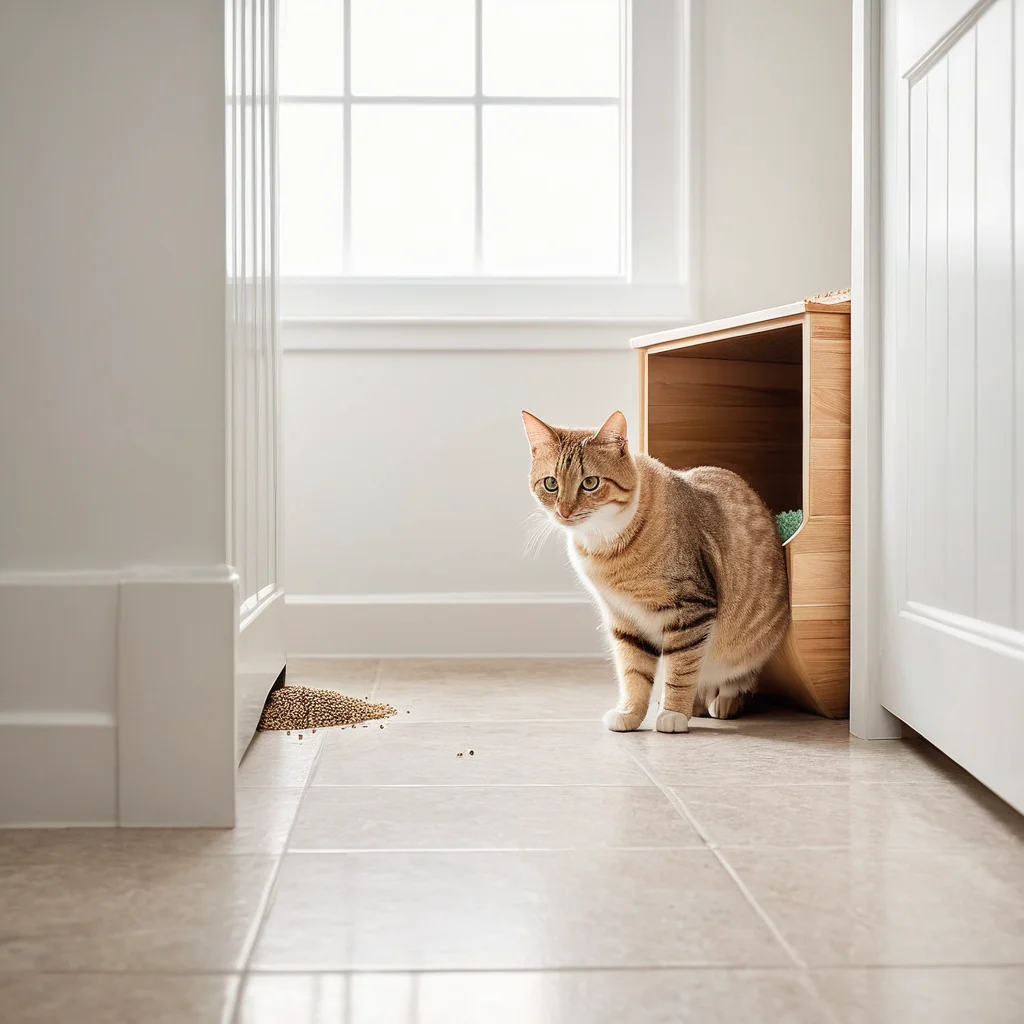

If your cat is not using the litter box (and is peeing on the rug, in the bathtub or in a corner of the bed instead), it is most likely not a "bad cat". Something about the litter box is bothering them. According to vets, litter box rejection is one of the most common behavior problems owners bring to the clinic in pet cats, and in 90% of cases the cause can be found and fixed with a systematic look. This post offers a practical science of the litter box, from choosing the box and where to put it to litter type and how often to clean.
Important note: if your cat has suddenly stopped using the litter box, or keeps trying to pee small amounts often, go to your vet first. Urinary tract disease (FLUTD) can be an emergency.
1. Why Does the Litter Box Matter So Much to Cats?
In nature, cats dig in soil or sand and bury their pee and poop. This is both about hygiene and about hiding from predators. That instinct carries on unchanged in pet cats. An "acceptable" litter box has to be a safe, clean, easy-to-reach and private spot for the cat. If even one of these four is missing, the cat looks for an alternative. To the owner it looks like "misbehaving"; to the cat it is a "solution".
2. Number of Litter Boxes: The Golden Rule
The internationally accepted formula is number of cats + 1. One cat → 2 litter boxes. Two cats → 3 litter boxes. Here is why:
- So one box can be used while the other is waiting to be cleaned.
- So "resource competition" does not develop in multi-cat homes.
- So there is a backup if one box breaks or gets moved.
If you have one cat, "two litter boxes" is not overkill. It is scientifically right.
3. Litter Box Type: 5 Options and the Right Choice
- Open (classic tray): Most cats prefer it, and it is easy for the owner to check. To deal with litter kicked out of the box, choose high-sided or "high-back" models.
- Covered (hooded): Good looks and odor control for the owner, but many cats are uncomfortable in them: smells build up in the enclosed space and the cat feels its "escape route is blocked". Test it and see what your cat prefers.
- Top-entry: Fine for active young cats; climbing straight up is hard for a senior or arthritic cat.
- Self-cleaning: Frees the owner from daily cleaning. The cost is high, and some cats are wary of the motor noise.
- DIY large bin (storage container): Cut an entry into the side of a plastic storage box. An affordable fix for big cats when standard store sizes are too small.
For an average cat, an open box 1.5 times the length of the cat is ideal.
4. Litter Type: Your Cat's Taste
- Clumping bentonite clay: Most cats prefer it. It clumps, is easy to scoop and holds odor. Watch the dust level (premium products are low-dust).
- Silica gel (crystal): Long-lasting and light. Some cats dislike stepping on it (it feels hard).
- Plant-based (corn, pine, wheat): Eco-friendly, and some versions can be flushed; some cats dislike the scent.
- Paper pellets: Hypoallergenic; for cats after surgery or with allergies. They do not clump.
Important: change litter gradually. Mix the new litter into the old and switch over 7-10 days. A sudden change is a reason for rejection.
5. Location: Where Should It Go?
- A quiet corner of a little-used room: A bathroom, laundry room or the inside corner of a walk-in closet.
- FAR from the food and water bowls. When "food and toilet" get mixed up, cats reject both.
- An open area with an escape route: If there is a way out on two sides, the cat does not feel trapped.
- Not too hot or too cold: Next to the boiler or under an air conditioner vent is not a good spot.
- Not in a high-traffic area: The middle of a kid's room or right in the middle of the entryway is stressful for a cat.
- Spread them out in a multi-cat home: Two boxes in the same room are like "one box side by side". Spread them across different floors or rooms.
6. How Often to Clean
- 1-2 times a day: Scoop out clumps and poop. It takes 30 seconds and protects your cat's dignity.
- Once a week: Replace half of the litter.
- Once a month: Empty all the litter and wash the box with hot water and mild soap. No bleach, ammonia or other harsh-smelling cleaners. Ammonia mimics the smell of urine, and the cat will reject the box.
- Every 6 months: Replace the box. Tiny scratches in plastic hold odor; cats like a new one.
Even if you have a self-cleaning box, a weekly manual check is a must, because the mechanism can miss things.
7. "My Cat Rejects the Litter Box": A Step-by-Step Check
- First stop: the vet. Rule out a health problem (FLUTD, urinary stones, kidney trouble, constipation) behind a sudden refusal.
- Box and litter test: Put 2 different types of box side by side and see which one your cat prefers (soft litter vs. hard crystals, and so on).
- Location test: Move one box to a different spot from where it is now and watch for 1 week.
- Cleaning frequency: Start keeping it clean every 12 hours. Is there a difference?
- Multi-cat competition: Add a new box or spread the boxes across different rooms.
- Stress factors: Has there been a new person in the home, new furniture, a new pet or noise (drilling, renovation) in recent weeks?
8. Peeing Outside the Litter Box: 7 Common Causes
- Urinary tract disease (FLUTD), which is an emergency especially in male cats.
- The type of litter was changed.
- The box is too dirty.
- The box was moved and the cat did not accept the new spot.
- Stress (a new cat, a new baby, moving house).
- Hormones: territorial marking in unneutered males or unspayed females.
- Arthritis from aging, which makes high sides hard for the cat.
Each one has a different solution, depending on the diagnosis.
9. Territorial Marking (Spraying) vs. Needing the Toilet
The telltale sign of marking: a small amount sprayed onto an upright surface (usually a wall, door or the edge of furniture). The tail quivers. This is not a "toilet problem" for the cat but a "territory message". The solution is different: spaying or neutering, reducing sources of stress, Feliway pheromones. Spraying is a separate blog topic; if there is spraying in the house, talk it over with your vet right away.
10. Frequently Asked Questions
My cat only goes to pee and holds in poop. Why?
It could be constipation or a problem with the box location or cleanliness. A diet that keeps stools soft and a vet exam help. In a senior cat, it can be a hidden sign that arthritis makes the box hard to use.
My cat started peeing on my bed. What did I do?
To a cat, the bed is a "safe space that belongs to the owner". Peeing there is the strongest reaction they can give to stress or a medical problem. Get a vet exam right away, then look for the source of stress. Washing the bed for weeks and putting it back in the same spot is not a solution.
A covered litter box is easier to clean, but my cat won't go in.
Most cats do not prefer a covered box. Try an open one; the cat's preference comes before the owner's taste in looks. To keep an open box from smelling, high-quality clumping litter plus daily scooping is enough.
Automatic litter boxes are expensive. Do I really need one?
No. The right type and size plus daily scooping by hand is enough. An automatic box adds convenience, but some cats are uneasy about the motor noise.
How do I get a stubborn smell out of the rug?
An enzyme-based pet cleaner (Nature's Miracle and similar) breaks down urine proteins. Bleach and vinegar cover the smell for a while but do not remove it fully, and the cat finds the smell and goes back to the same spot. Use professional carpet cleaning for severe cases.
How do I litter train a kitten?
A kitten taken from its mother at 2-3 months old has usually already learned to use litter. With a new kitten at home, gently placing them in the litter box every few hours is enough. No toilet treats are needed; the instinct is already there.
Can a cat suddenly reject the litter box after years?
Yes, especially at 7+ years old. Arthritis is a common cause; if the box has high sides, jumping in hurts. Switch to a low-sided box and have the vet check for arthritis.
Final Word
How you manage the litter box directly affects your cat's daily comfort. The right box, the right litter, the right location and daily scooping take only minutes, but they keep your relationship with your cat easy for years.
If you keep your notes on behavior changes, the litter box types you have tried and your vet check dates in DoldurKabı Pet Health Tracking, you can see clearly which change worked.
This guide is for information only; if your cat pees outside the litter box, always have a vet check first.









