


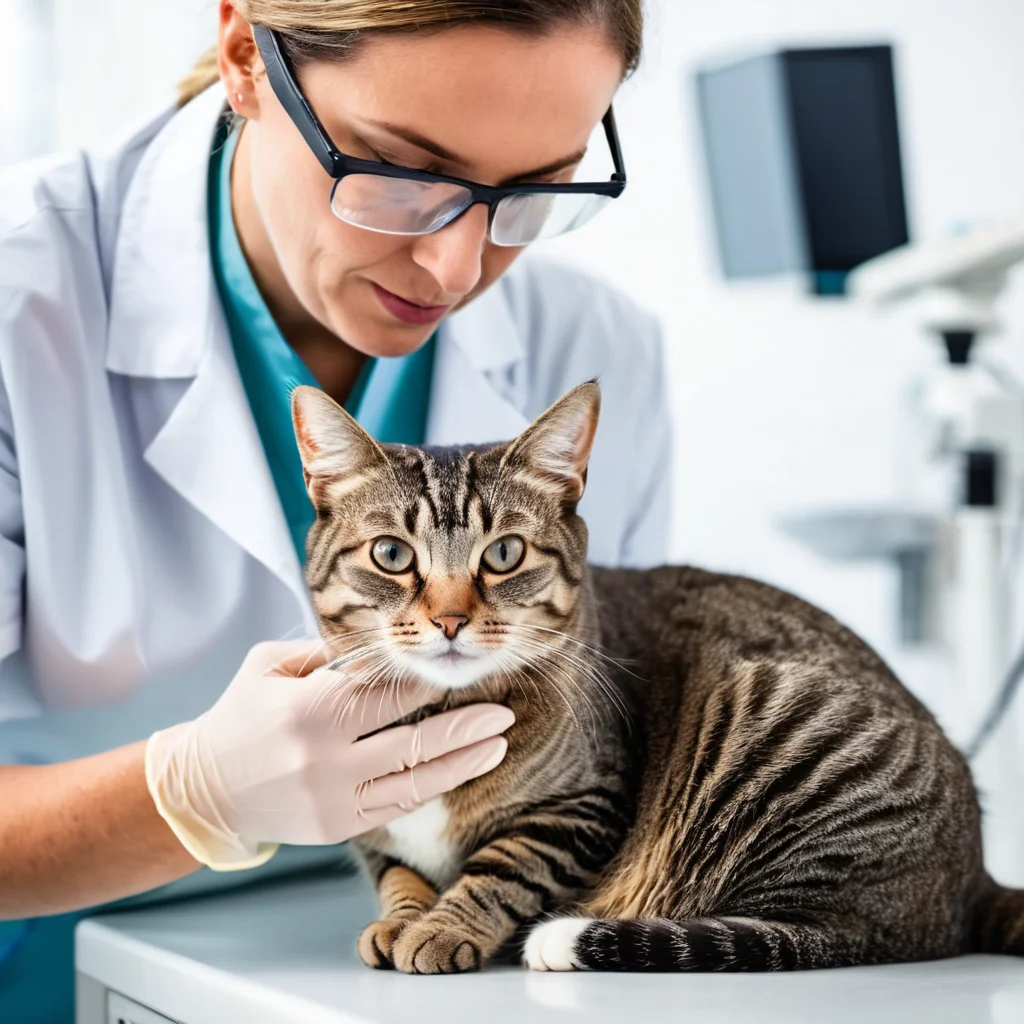

Pancreatitis in cats is different from pancreatitis in dogs: it is a subtle, hard-to-diagnose, recurring chronic disease. Instead of an acute, painful picture, it usually progresses quietly as "poor appetite, lethargy and a little weight loss." The fPL blood test was a game changer and made diagnosing pancreatitis in cats much easier. Cats that go untreated for years develop the chronic form, and diabetes, IBD and liver disease may come along with it. In this article, we take a detailed look at pancreatitis in cats.
1. How Pancreatitis in Cats Differs from Dogs
- Subtle onset (in dogs, it is acute and dramatic).
- Few, vague symptoms.
- The chronic form is more common (in dogs, the acute form is common).
- Diabetes and triaditis (with IBD and cholangitis alongside).
- Hard to diagnose; fPL was a game changer.
2. Types
- Acute pancreatitis: Severe and dramatic (rare in cats).
- Chronic pancreatitis: Waxes and wanes and lasts for years; common in cats.
- Exocrine Pancreatic Insufficiency (EPI): The pancreas doesn't produce enzymes, so digestion breaks down.
3. Causes (Mostly Unknown)
- Idiopathic: 85-90% (cause unknown).
- Trauma (a fall from a height).
- Toxins (organophosphates).
- Medications (some antibiotics, chemotherapy).
- Infection (toxoplasma, FIP).
- Dietary factors (unlike in dogs, fatty food is not a trigger in cats).
- Hypertriglyceridemia (high blood lipids).
- Hyperthyroidism.
4. The Chain of Symptoms (Subtle)
- Most common:
- Loss of appetite (anorexia).
- Lethargy.
- Weight loss.
- Dehydration.
- Less common:
- Vomiting (very obvious in dogs, less so in cats).
- Diarrhea.
- Abdominal pain (hidden; cats don't show it).
- Jaundice (from accompanying liver disease).
- Acute and severe:
- Shock.
- Rapid breathing.
- Hypothermia (the body gets cold).
5. Diagnosis
- fPL (Feline Pancreatic Lipase Immunoreactivity): The most specific test. A 10-minute snap test or a lab test.
- General amylase and lipase measurements are unreliable in cats.
- Complete blood count: leukocytosis or leukopenia.
- Biochemistry: high ALT/ALP (liver), bilirubin (jaundice), glucose (diabetes).
- Ultrasound: an enlarged pancreas, edema, abdominal fluid.
- Needle aspiration (if needed) to rule out cancer.
- fTLI, folate and B12: to rule out EPI and IBD.
6. Triaditis (Important)
In cats, pancreatitis, IBD (Inflammatory Bowel Disease) and cholangitis can occur together:
- Inflammation in three organs at the same time.
- Anatomical connection (in cats, the ducts lie close together at the ampulla of Vater).
- Intestinal bacteria pass to the pancreas and liver.
- Treatment is multimodal.
7. Treatment (Supportive)
- IV fluid therapy: For dehydration and electrolytes.
- Anti-emetics: Maropitant, ondansetron.
- Pain relief: Buprenorphine (opioids are commonly used in cats), gabapentin.
- Appetite stimulants: Mirtazapine, capromorelin (Entyce).
- B12 injections: Cobalamin deficiency is common.
- Nutrition: Early parenteral or enteral feeding. Withholding food is NO LONGER recommended.
- NG/E tube: A feeding tube for a cat that has gone without eating for a long time.
- Antibiotics: For secondary infection.
- Hospitalization: 24-72 hours in severe cases.
8. Long-Term Management
- Hypoallergenic or GI food (moderate fat; cats tolerate fat).
- Several small meals.
- Oral or injectable B12.
- Probiotics (FortiFlora).
- Anti-emetics when needed.
- Close follow-up with your vet.
9. Accompanying Diseases
- Diabetes mellitus: 30% of cats with chronic pancreatitis develop diabetes.
- IBD: Triaditis.
- Cholangitis: Liver.
- EPI: Enzyme deficiency.
10. Prognosis
- Mild cases with treatment: Recovery in 80%+.
- Chronic form: Lifelong management, but good quality of life.
- Severe acute cases: 30-50% fatal.
- Early diagnosis and treatment improve success.
- Thanks to the fPL test, diagnosis and outcomes have improved greatly over the last 10 years.
Pancreatitis in cats is a subtle, often unrecognized but common disease. With the fPL test, early intervention and supportive treatment, most cats live well. When you see vague signs like "poor appetite, lethargy, weight loss," pancreatitis should come to mind. In the DoldurKabı app, you can find cat-focused vet clinics on a map.









