


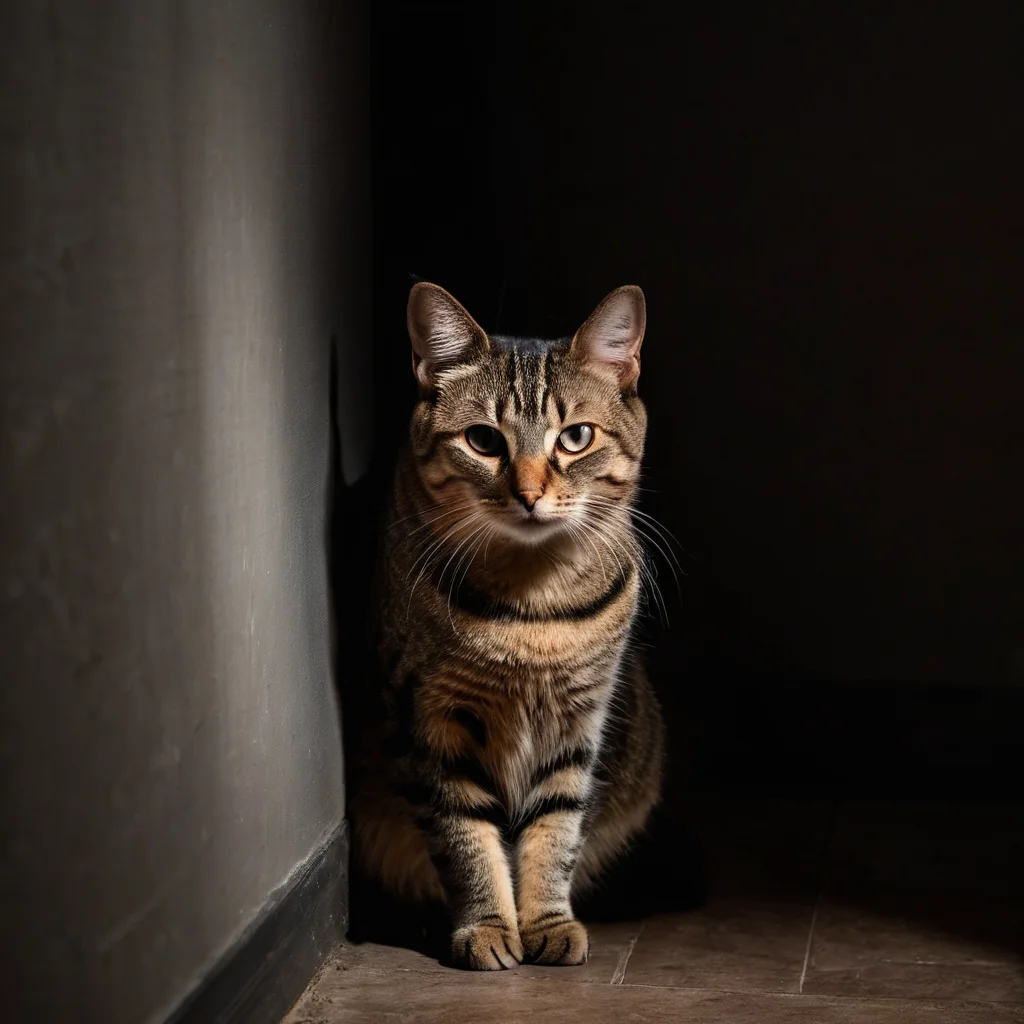

Cat stress is a sneaky condition: hard to recognize, with serious health consequences. Cats are different from dogs: they hide their stress and can slide into chronic anxiety without showing physical signs. It can lead to peeing outside the litter box, overgrooming and aggression, and it can trigger FLUTD. The answer is owner awareness, environmental enrichment, Feliway pheromones and, in advanced cases, medication. In this post we take a detailed look at cat stress.
1. Cat Stress Triggers
- Moving, changing homes.
- A new animal (cat, dog, baby).
- A family member leaving or arriving.
- Rearranged furniture.
- Moving the litter box or food bowl.
- A street cat appearing at the window.
- Construction or repair noise.
- Guests and parties.
- Vet visits.
- Competition in multi-cat homes.
2. Signs of Stress (Behavioral)
- Peeing outside the litter box: The most common sign of stress.
- Overgrooming: Hair loss on the belly and inner legs (psychogenic alopecia).
- Hiding: Constantly under the bed or inside closets.
- Aggression: Toward the owner or other animals.
- Loss of appetite or overeating.
- Disrupted sleep patterns.
- Excessive meowing or total silence.
- Spraying: Vertical marking.
3. Signs of Stress (Physical)
- FLUTD (urinary tract disease): Stress is the most frequent trigger.
- Idiopathic cystitis: Stress-related bladder inflammation in cats.
- Overgrooming that causes skin inflammation.
- Loss of appetite that causes hepatic lipidosis (fatty liver, fatal).
- Weakened immunity that opens the door to infection.
- GI problems: Vomiting, diarrhea.
4. Environmental Enrichment (First-Line Treatment)
- Vertical space: Cat shelves, cat trees, climbing areas.
- Hiding boxes: Cardboard boxes, cat tunnels.
- A window lookout: For watching birds and the street.
- Multiple litter boxes: Number of cats + 1.
- Multiple food and water stations: In different rooms.
- A variety of toys: To satisfy the hunting instinct.
- Scratching post: A stress outlet.
5. Feliway Pheromones
- A synthetic version of the mother cat pheromone (calming).
- Diffuser: covers 1 room of 50-70 m² and lasts 4 weeks.
- Spray: for the cat carrier, before vet visits.
- Wipes: single use.
- Classic (calming) vs MultiCat (multi-cat homes).
- 60-70% of cats respond positively.
- Preventive during stressful periods (moving, a new animal).
6. Play + Mental Stimulation
- 2-3 intense play sessions a day (15-20 min).
- Feather wands, lasers, bird simulators.
- Hiding food in a puzzle feeder.
- Clicker training is possible.
- Rotating catnip toys (6 months+).
- Satisfying the hunting instinct lowers stress.
7. Managing a Multi-Cat Home
- Number of cats + 1 for litter boxes, food, water and beds.
- Spread them across different rooms.
- Keep an eye on blocking behavior by a dominant cat.
- Introduce a new cat slowly (14-21 day protocol).
- Vertical space reduces the need to share.
- Feliway MultiCat diffuser.
8. Diet and Water
- Plenty of water plus a fountain (FLUTD prevention).
- Increase the share of wet food.
- Calming food (Royal Canin Calm, Hill's c/d Multicare Stress).
- With L-tryptophan and alpha-casozepine.
- Regular meal times.
9. Medication (Severe Cases)
- SSRI (Fluoxetine): Long-term anxiety.
- Buspirone: Spraying + aggression.
- Gabapentin: Before vet visits or travel.
- Trazodone: Before an event.
- A vet prescription is required.
- Combined with behavioral treatment.
10. Stress Prevention + Early Intervention
- A yearly vet check: without physical signs, stress may go unnoticed.
- Take behavior changes seriously; don't say "that's just how cats are."
- Have Feliway ready for changes in the environment.
- Early intervention prevents long-term health problems.
- Recurring FLUTD: stress management should not be ruled out.
Cat stress is a condition that is sneaky, hard to catch early and has serious health effects. The formula of environmental enrichment, Feliway, play and multi-cat management keeps it under control. In severe cases, add medication. A change in your cat's behavior is a signal; never ignore it. In the DoldurKabı app you can find vet clinics experienced in cat behavior on the map.









