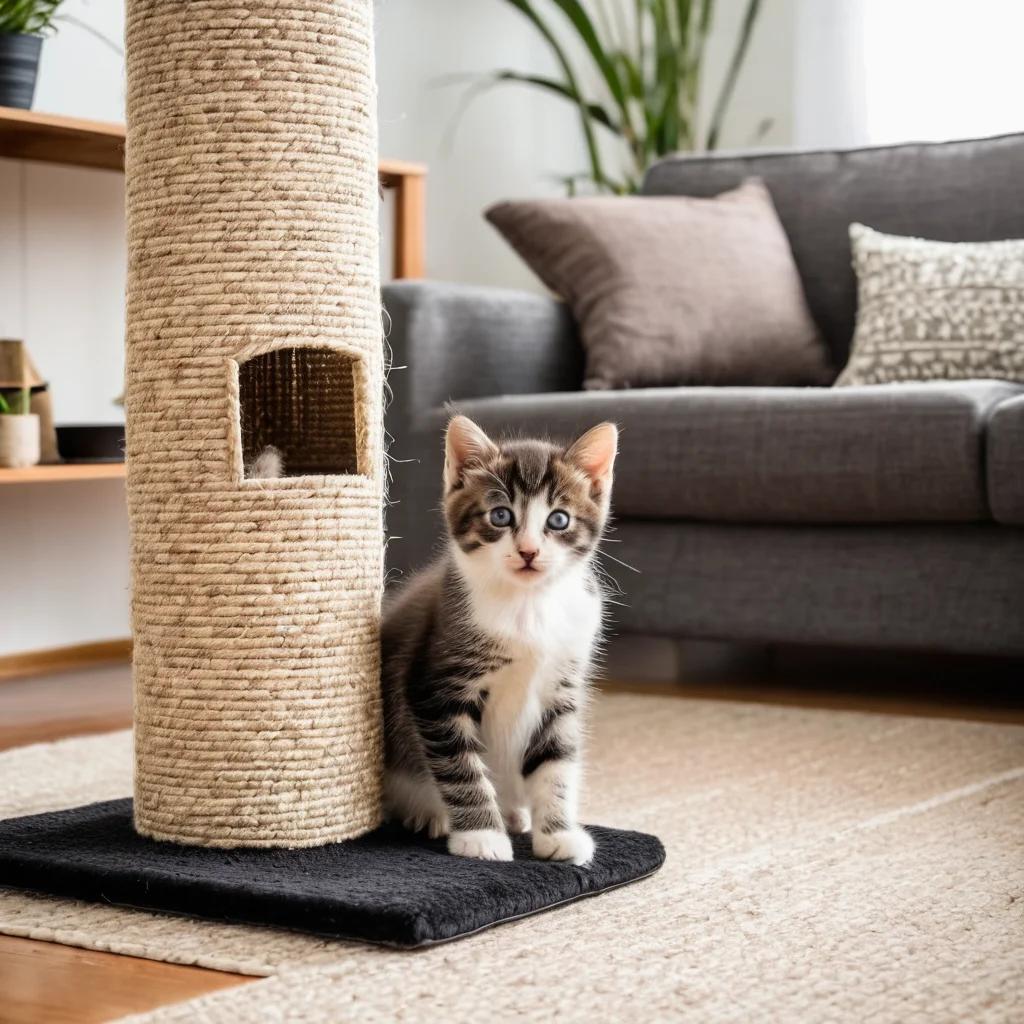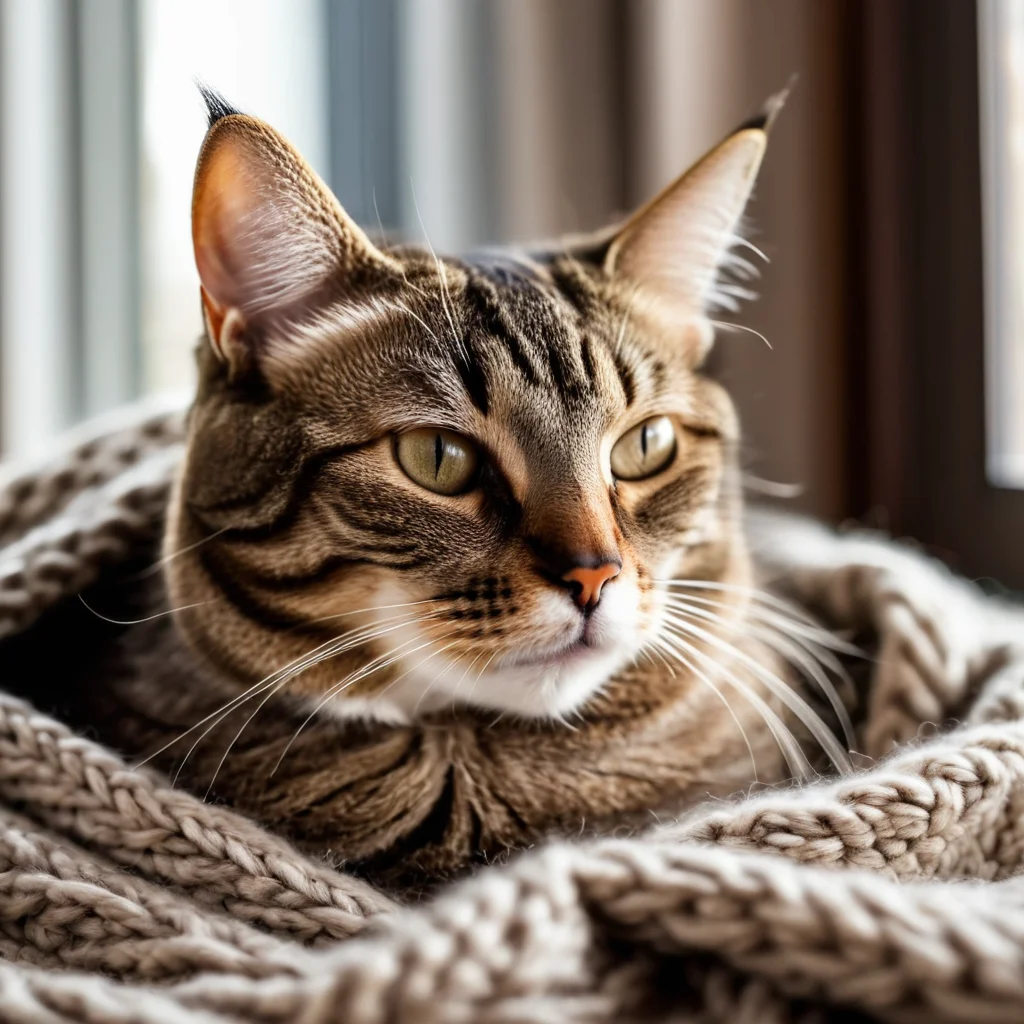

We all know that soft vibration coming from the body of a cat curled up in your lap. Purring is one of the first sounds that comes to mind when we think of cats, and most people link it directly to happiness. If a cat is purring, it must be content, right?
The truth is a little more complicated. Purring is not the expression of a single emotion; it can reflect very different situations. A content cat purrs, but so does a cat in pain, a cat under stress, or even a cat giving birth. So this sound sometimes says "everything is fine," and sometimes means "I don't feel well."
In this article, we will first look at how purring happens, then at its six different meanings. In the last section, we will cover when purring should be treated as a sign for concern.
How Does Purring Happen?
For a long time, the mechanism behind purring was a real mystery, because cats have no separate organ dedicated to it. The explanation accepted today goes like this: rhythmic signals from the brain make the muscles in the voice box (larynx) contract and relax dozens of times per second. This rapid movement keeps opening and closing the gap between the vocal cords. As the cat breathes in and out, air passes through this vibrating structure and that familiar "motor sound" is created.
What sets purring apart from other cat sounds is that it can continue without a break while the cat is both inhaling and exhaling. A meow only comes out on the exhale; purring works like a motor running nonstop. An interesting detail: big cats that can roar, like lions and tigers, cannot purr continuously the way house cats do. Their larynx is built for roaring, so they cannot produce constant vibration. In other words, purring is a special trait of house cats and a few of their wild relatives.
6 Meanings of Purring
The same sound can translate very different feelings. Here are six main reasons behind purring:
1. Contentment and Trust
This is the classic meaning, and it is accurate. If a cat is relaxed in your lap, eyes half closed, blinking slowly and purring, the message is clear: it feels safe and comfortable. This kind of purr is usually soft, steady and deep. Petting, a warm bed and a familiar scent tend to trigger it.
2. Self-Soothing
Just as people take deep breaths in stressful moments, cats may purr to calm themselves when they are tense. A cat purring on the vet's exam table, during a trip or after moving to a new home may be making this sound not because it is happy, but because it is trying to calm down. The rhythmic vibration of purring is thought to relax the cat's own nervous system.
3. Pain and Stress: Sick Cats Purr Too
This is one of the most common misconceptions about purring. Cats in serious pain, sick or injured cats, and even cats in the last hours of their lives can purr. In this case, purring is not an expression of happiness but the cat's way of coping with pain. Cats are masters at hiding pain, and purring can be part of that mask. That is why the conclusion "it's purring, so it must be fine" can sometimes be a dangerous mistake.
4. Solicitation Purring: "It's Feeding Time"
When your cat comes up to your face early in the morning and purrs insistently, it is after breakfast, not affection. Behavioral scientists call this "solicitation purring." Unlike a normal purr, it mixes in a high-pitched tone that sounds like a baby crying. The human ear has a hard time ignoring this frequency, and cats have learned that very well. Solicitation purring feels more urgent, louder and more "annoying." It is one of those rare moments when your cat is training you.
5. Communication Between Mother and Kittens
Kittens start purring when they are just a few days old, before their eyes have even opened. The purr they make while nursing tells the mother "I'm here, everything's fine." The mother cat also purrs to calm her kittens; with their eyes still closed, kittens can find her by following that vibration. When an adult cat purrs at its owner, this is considered a continuation of that early bond: in a sense, the cat sees you as family.
6. The Healing Theory: The Power of Vibration
This may be the most surprising side of purring. Purring vibrations fall in a low-frequency range, and some researchers suggest that vibrations in this range may support bone density and tissue healing. Observations that cats recover relatively quickly from fractures and injuries also feed this theory. It has not been proven conclusively yet; but if it is true, purring may be not just a way to communicate but also a kind of physical therapy the cat gives itself. This view also helps explain why sick and injured cats purr.
When Is Purring a Sign for Concern?
Purring on its own is never a sign of illness; what matters is the context and any symptoms that come with it. It is worth reading purring as a warning in these situations:
- If the purring comes with loss of appetite or not drinking water
- If the cat is hiding unusually, staying still or has lost interest in play
- If it tenses up, hisses or bites when you touch it, even though it normally doesn't
- If it is breathing fast, with effort or with its mouth open
- If its bathroom habits have changed (going outside the litter box, being unable to pee)
- If a cat that normally purrs little suddenly starts purring constantly
If you notice one or more of these signs, talk to a vet near you without delay. Open-mouth breathing and being unable to pee in particular are emergencies in cats. Remember: cats hide pain, and purring can be part of that hiding.
Reading Your Cat's Purr Correctly
The way to decode a purr is to read the whole picture, not just the sound. Look at your cat's body language and the setting together:
- Relaxed body, half-closed eyes, slow blinking: a contentment purr. Enjoy it.
- Ears back, crouched posture, dilated pupils: self-soothing caused by stress or fear. Give the cat some space.
- Next to the food bowl, high-pitched and insistent: a solicitation purr. Message received.
- Withdrawn into a corner, unkempt fur, uninterested: possible pain or illness. Keep an eye on it and see a vet if needed.
One more thing: not every cat is equally "chatty." Some breeds are very vocal and interactive, while others are quiet and reserved. If you want to get to know your cat's personality and breed traits better, take a look at our cat breed encyclopedia; there you can find what kind of temperament each breed tends to have.
Frequently Asked Questions
My cat never purrs. Is something wrong?
Usually not. Some cats naturally purr very little, and some purr so quietly the human ear can barely hear it; you may feel the vibration if you place your hand on its chest. If your cat's appetite, energy and behavior are normal, there is no need to worry. But if a cat that used to purr regularly suddenly goes quiet and other changes come with it, ask your vet.
Do cats purr while sleeping?
It is quite common for them to purr while drifting off and when half asleep; this is usually a sign of deep comfort. Purring mostly stops during deep sleep. It is also normal for it to start again when the cat wakes up and changes position.
Is purring good for people?
Most cat owners say purring calms them down, and that is not surprising: a steady, rhythmic, low-frequency sound can help a person relax. It would not be right to claim a definite healing effect; but many cat lovers share the experience that sitting with a purring cat after a stressful day feels good.
My cat purrs and bites at the same time. What does that mean?
This is usually a sign of overstimulation. A cat purring happily while being petted reaches a point where it has had enough and the touch starts to feel uncomfortable; while the purring continues, the tail swishes sharply, the skin twitches and then a bite follows. The fix is simple: take a break from petting when you see early signals like a swishing tail and ears flattening back. It's not that your cat doesn't love you; it is just setting a boundary.