
Chronic kidney disease (CKD) affects 30-40% of senior cats and is the most common disease in cats over 10. The kidney's nephrons are lost gradually, and symptoms appear once the body can no longer compensate. There's no full cure, but life expectancy can stretch to years.
Causes
- Aging (the most common)
- Genetics (Persian, Maine Coon: polycystic kidney disease)
- After acute damage (toxins, pneumonia, dehydration)
- High blood pressure
- Hyperthyroidism (common in senior cats)
- Dental disease (chronic infection)
Signs (Early and Subtle)
- Excessive thirst (polydipsia): the earliest sign
- Frequent urination (polyuria)
- Weight loss
- Loss of appetite
- Nausea, vomiting
- Lethargy, sleeping more
- Poor coat quality
- Bad breath (uremia)
- Advanced: ulcers, coma
IRIS Staging
- Stage 1: Creatinine <140: diet and water
- Stage 2: Creatinine 140-249: low-protein diet
- Stage 3: Creatinine 250-440: start of fluid therapy
- Stage 4: Creatinine >440: intensive supportive care
Diagnosis
- Blood test: creatinine, BUN, SDMA (early marker)
- Urinalysis (USG <1.035 is a sign)
- Blood pressure measurement
- Ultrasound (kidney structure)
Treatment Goals
- Preventing dehydration (maximum access to water)
- Diet (low phosphorus, moderate protein, omega-3)
- Phosphate binder (Renalzin, Lantharenol)
- Blood pressure control (amlodipine)
- Nausea control (maropitant, ondansetron)
- Appetite stimulant (mirtazapine)
- Erythropoietin (if there's anemia)
- SubQ fluids (at home, vet-approved)
Diet
- Hill's k/d, Royal Canin Renal, Purina NF
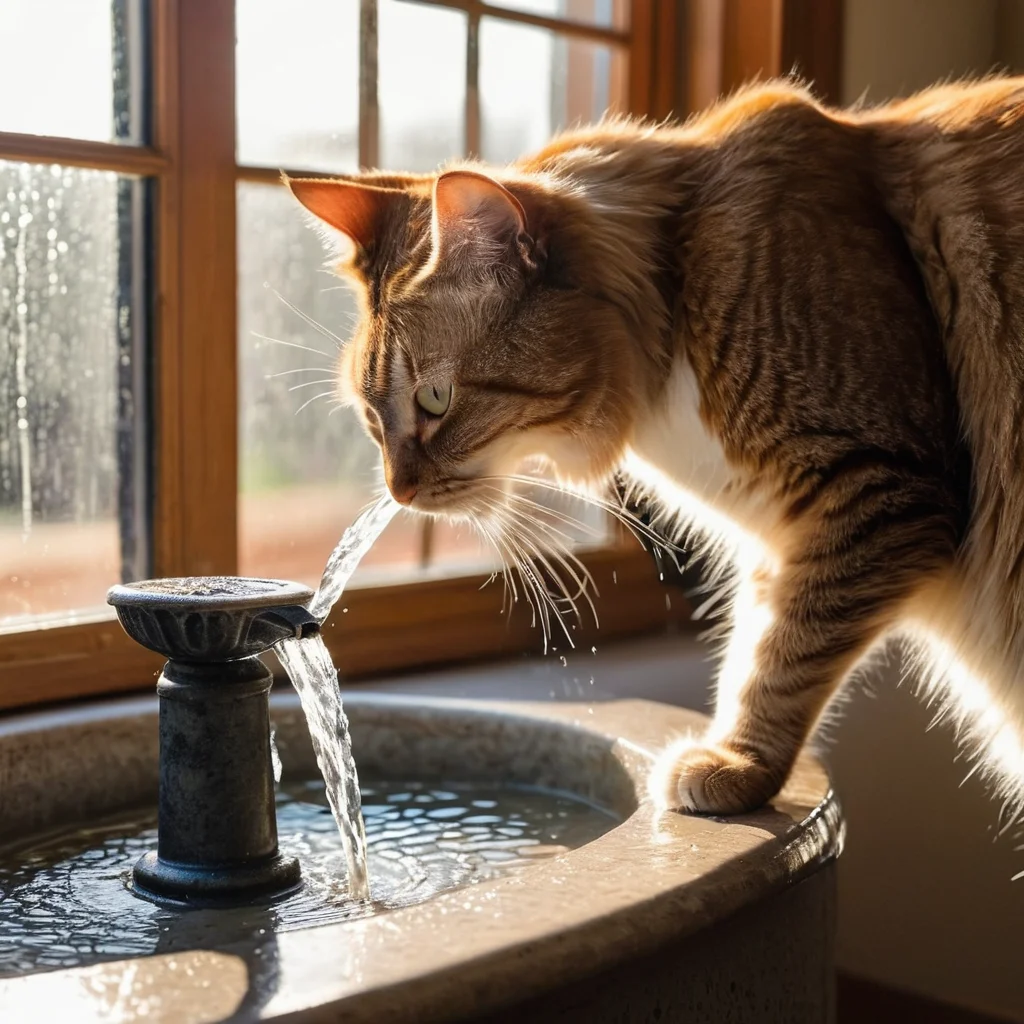
- Ways to boost water intake: wet food, a water fountain
- Low salt
- Added omega-3
Home Care
- Several water bowls
- A water fountain
- SubQ fluids (your vet will show you how)
- Regular weight tracking
- A blood test every 3 months
Life Expectancy
A cat diagnosed at stage 1-2 and well managed lives 2-5 years. At advanced stages, weeks to months.
FAQ
Should I get an annual checkup? Cats over 7 should have an SDMA test every year, because early diagnosis is critical.
Is home treatment enough? At stages 1-2, yes; at advanced stages, vet support is a must.
What does it cost? Monthly costs cover diet, medication and fluids.
This content is for informational purposes only. For a definitive diagnosis and treatment, talk to your veterinarian.
Track your senior cat's health with the DoldurKabı pet ID card and a 3-month checkup calendar.