
As temperatures climb in summer, many of us assume cats handle heat well. That reputation, inherited from their desert-dwelling ancestors, is partly true; cats usually tolerate heat better than dogs. But that tolerance has a limit, and once it's crossed, heatstroke can turn into a serious condition that becomes life-threatening within hours.
What makes cats vulnerable here is the way their bodies cool down. Cats can't sweat like we do; their sweat glands are found only on their paw pads, and that tiny area isn't enough to lower body temperature. Cooling off by sticking out their tongue and panting freely, the way dogs do, isn't in their nature either. So if you see a cat panting with its mouth open, know that the situation has already become serious.
In this article, we walk you step by step through how to recognize the signs of heatstroke, which first aid steps to take in an emergency, which cats are at higher risk and practical ways to keep your home cool.
Why Are Cats Vulnerable to Heatstroke?
A cat's main way of cooling down is licking its fur. As saliva evaporates, it cools the skin a little; cats also cut down on heat production by seeking shade and cool floors and moving less. These methods work in mild weather, but they fall short when humidity rises or the air temperature gets close to body temperature.
Here's the key difference from dogs: for dogs, panting with the tongue out is an everyday, normal behavior, but for cats it's the exception. We don't worry when a dog pants; in a cat, the same sight is an alarm bell. On top of that, cats instinctively hide discomfort. A cat that quietly withdraws into a corner may actually be in trouble. Put these two traits together, and heatstroke in cats is often noticed late, when the condition has already progressed. The warning signs dog owners are used to either never appear in cats or show up only once things get serious; that's why watching how your cat behaves in summer is a form of protection in itself.
Signs of Heatstroke
Heatstroke develops gradually. Early on you may see restlessness and a constant search for a cool spot; as it gets worse, these signs appear:
- Fast, shallow, open-mouth breathing
- Drooling much more than usual
- Weakness, no response to stimuli, lying down all the time
- Dark red or bluish tongue and gums
- Vomiting or diarrhea
- Wobbly, drunk-like walking and trembling
- In advanced stages, loss of consciousness and seizures
A cat's normal body temperature is roughly 38-39 degrees; during heatstroke, this number rises quickly. Even if you can't take a temperature at home, act without delay if you see several of the signs above at once.
Emergency First Aid: What to Do and What Not to Do
The goal of first aid is to bring body temperature down in a controlled way and get the cat to a vet quickly. Do the following, in order:
- Move your cat right away to a cool, shaded, well-ventilated spot; if possible, take it into an air-conditioned room.
- Apply a cloth soaked in lukewarm to cool (not cold) water to the paws, belly, armpits and groin. These are areas where blood vessels run close to the surface and heat leaves the body quickly.
- Use a fan to create a gentle airflow; air passing over wet fur speeds up evaporation and cooling.
- If your cat is conscious, put fresh, cool water in front of it, but never try to force it to drink.
- Go to the vet even if the signs seem to ease. Heatstroke can cause delayed organ damage; a cat that looks recovered on the outside may still have problems inside. If it's nighttime or the weekend, you can use our emergency vet page to reach an open clinic.
So what shouldn't you do? Some moves that feel instinctive can make things worse:
- Don't use ice or ice-cold water. Extreme cold constricts the blood vessels in the skin and traps heat inside the body; it can also trigger shivering, which makes the body produce heat again.
- Don't submerge your cat completely in water; it causes a lot of stress, and the sudden temperature change can send it into shock.
- Don't leave a wet towel over your cat for long; once the towel warms up, it acts like a blanket and stops the cooling.
- Don't wait it out thinking "it'll pass after some rest." Heatstroke doesn't resolve on its own.
Which Cats Are at Higher Risk?
Any cat can get heatstroke, but for some the risk is noticeably higher:
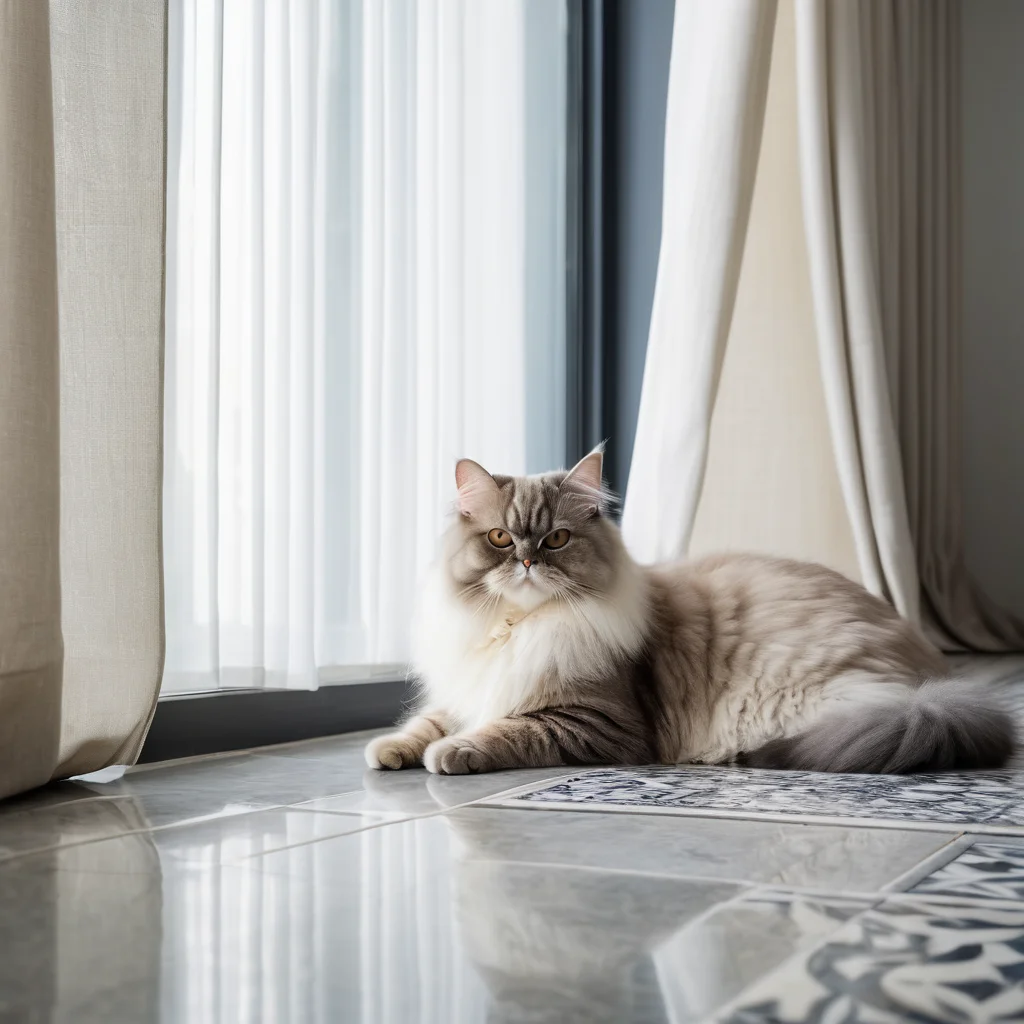
- Short-nosed (brachycephalic) breeds: Flat-faced breeds like the Persian, Exotic Shorthair and Himalayan have narrow airways, so they have less ability to cool off by panting.
- Senior cats: Their temperature regulation has slowed down, and accompanying chronic illnesses make the condition worse.
- Kittens: Their ability to balance body temperature isn't fully developed yet.
- Overweight cats: Fat tissue acts as insulation and makes it harder for heat to escape.
- Cats with heart, respiratory or kidney problems: Heat stress can quickly worsen an existing illness.
If your cat belongs to one of these groups, a general health check at the start of summer is a smart move. To find a clinic near you, take a look at our vet list.
Practical Ways to Keep Your Home Cool
When it comes to heatstroke, prevention is the strategy that really pays off. These simple habits lower the risk considerably:
- Close the curtains on windows that get sun during the day. For cats who love napping by the glass, a windowsill can turn into an oven around midday.
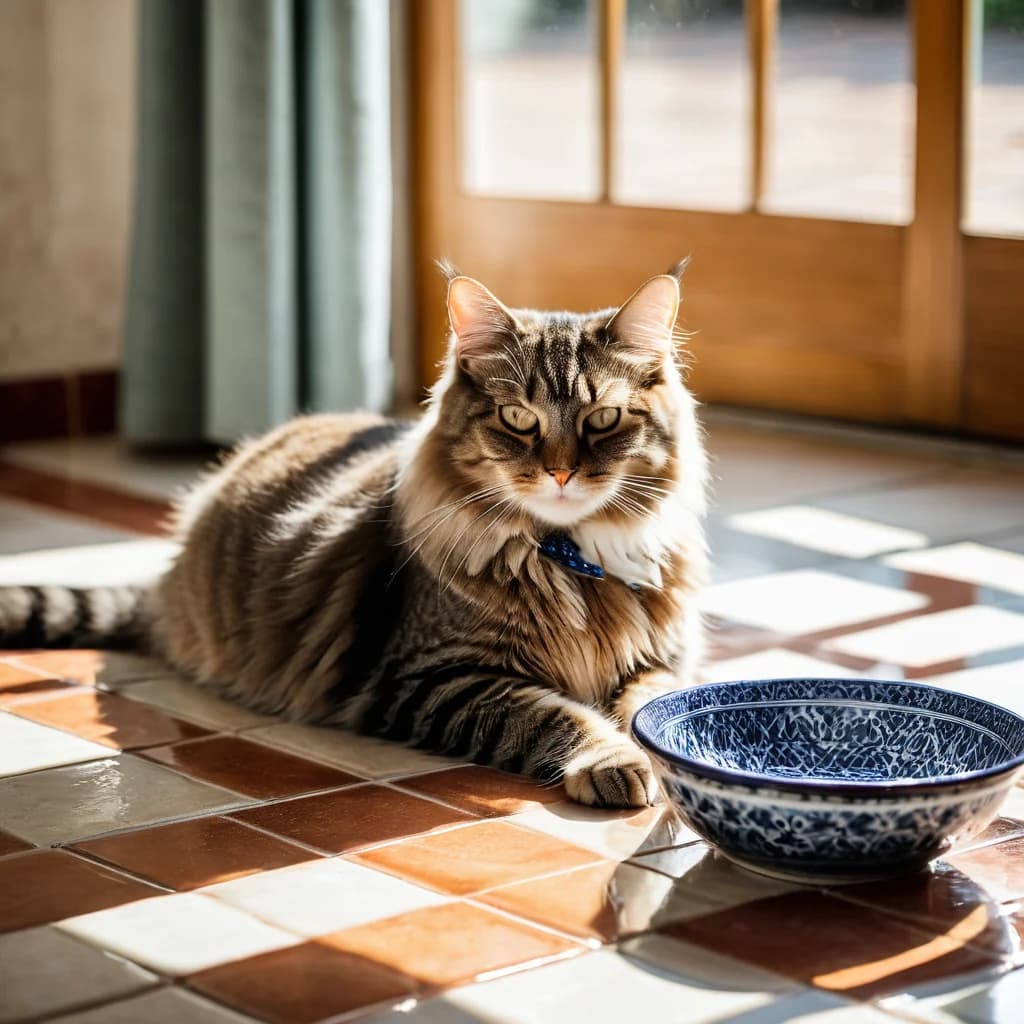
- Put several water bowls in different spots around the house and refresh the water a few times a day. Dropping a few ice cubes into drinking water is fine; the problem is applying ice to the body to cool it down.
- Keep cool floors like tile and marble accessible; leaving the bathroom door ajar is enough for most cats.
- If you use an air conditioner or fan, don't point the airflow straight at your cat, and let your cat leave the room if it wants to.
- Move playtime to early morning and late evening; avoid intense activity in the midday heat.
- Never leave your cat in a parked car; even in the shade, the inside of a car heats to dangerous levels within minutes.
- Don't have your long-haired cat shaved completely. The coat acts as insulation and also protects against the sun; if there are mats, get professional help to trim them.
Frequently Asked Questions
Is open-mouth breathing in my cat always an emergency?
Brief open-mouth breathing can happen after intense play or a stressful trip, and it passes within a few minutes. But if it happens in a hot environment, lasts for minutes or comes with signs like weakness or drooling, treat it as an emergency and talk to your vet.
If I suspect heatstroke, should I help at home first or head out right away?
Do both. Spend a few minutes moving your cat to a cool spot and cooling it with lukewarm water, then set off for the clinic without delay. Run the car's air conditioning during the trip. If you're not sure which clinic is open, the emergency vet information can help.
Is air conditioning harmful for cats?
No, used correctly it's a good help in the summer months. Just be careful not to over-cool the room, not to point the airflow straight at your cat and to let your cat move to a room without air conditioning if it wants to.
What else can I do for cats that go outside?
Always keep a shaded area and fresh water in the yard or on the balcony. Try to keep your cat indoors during the hottest hours of the day. If your cat comes back inside panting heavily, drooling or acting weak, follow the first aid steps above and contact your vet.