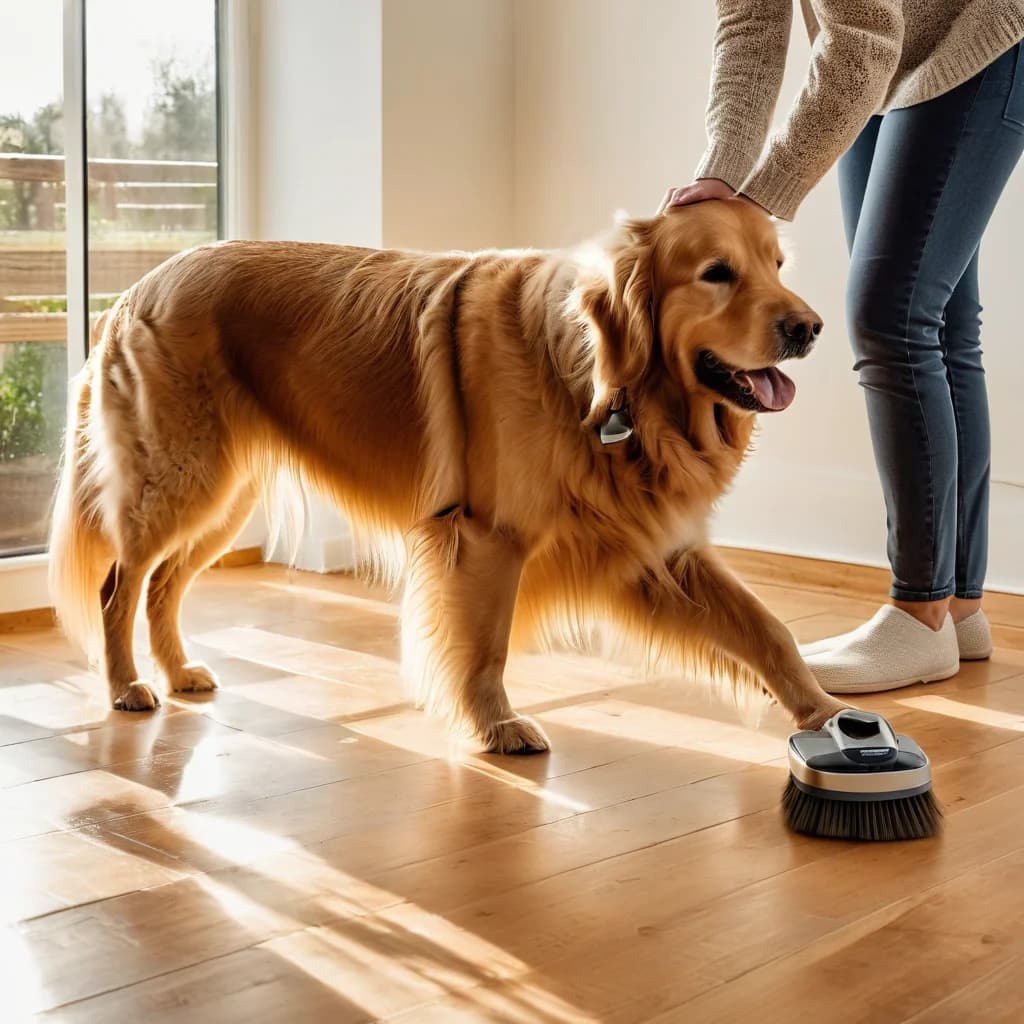


Have you ever noticed the click-click sound your dog makes walking on hardwood floors? That sound is often the first sign that the nails have grown too long. All summer, on long walks, asphalt and concrete naturally file the nails down. When winter comes, walks get shorter, your dog spends more time on rugs and hardwood, and the nails quietly keep growing.
Long nails may seem like a small cosmetic issue, but they can affect your dog's gait, posture and comfort. In this post, we explain how to keep an eye on nail length in the winter months, when trimming is needed and how to set up a safe routine at home.
Why do nails seem to grow faster in winter?
In fact, the rate at which nails grow doesn't change much with the seasons. What changes is how much they wear down. A dog walking on hard ground gets its nails filed a little with every step. In winter, three things happen at once:
- Walks get shorter because of the cold and early darkness.
- Wet and snowy ground doesn't wear nails down as much as dry asphalt.
- Your dog spends most of the day at home on soft surfaces.
As a result, the nails grow noticeably longer within a few weeks. This is more obvious in small breeds, senior dogs and less active pups.
How do you check nail length?
There's a simple test: watch your dog from the side while it stands on a flat surface. If the nails touch the ground, or the paws look like they're being pushed up slightly, the nails are too long. A nail of healthy length either doesn't touch the ground at all when the dog is standing, or touches it only very lightly.
What to look for in a weekly check
- Is there a clicking sound on the floor when your dog walks?
- Are the nails growing sideways or curling?
- Is the dewclaw (the separate nail on the inner side of the leg) growing long and curling toward the paw?
- Is there redness, swelling or discharge around the nail?
- Is your dog more bothered than usual when its paw is touched?
Because the dewclaw never touches the ground, it never wears down and is easy to miss. When it grows long, it can curl and dig into the skin. Pay special attention to it during your winter checks.
Why are long nails a problem?
Overgrown nails make it harder for your dog to place its foot on the ground at a natural angle. To make up for it, the dog changes its posture, which over time can put a different load on its joints. Getting a grip on slippery floors becomes harder, which also raises the risk of slipping on icy winter days.
Long nails can also catch on rugs, blankets or fabric and break. A broken nail hurts and can bleed. These problems are felt more strongly in senior dogs; for joint comfort, you can also check out the post on cold weather and joint comfort.
If you're going to trim at home
Trimming nails is a job you can do at home with the right tools and a calm setting. But if your dog isn't used to it, or you don't feel confident, it's wiser to leave the first few times to a professional.
Getting ready
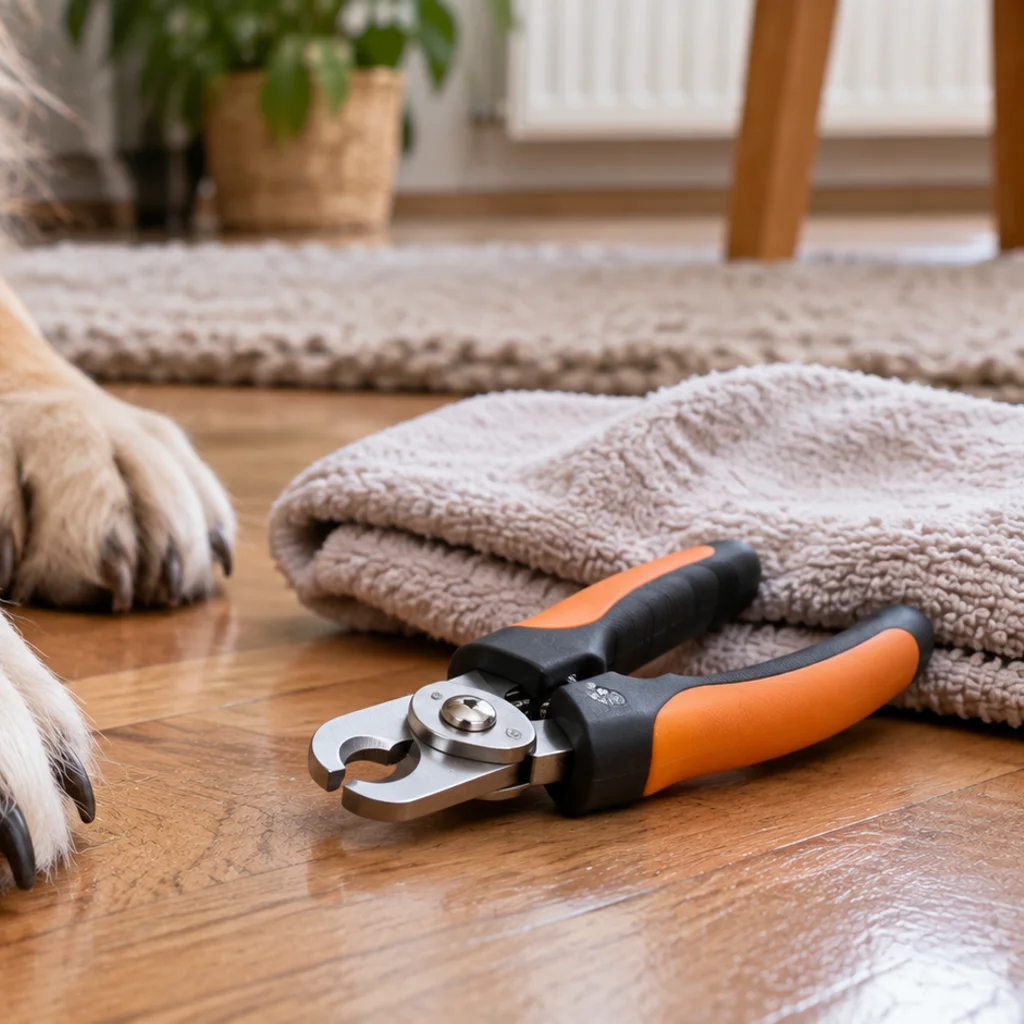
- Use a sharp nail clipper or nail grinder that suits your dog's size.
- Pick a well-lit spot with a non-slip floor.
- Keep treats nearby, and a clean gauze pad in case you need to stop bleeding.
- Choose a time when your dog is tired and calm, for example after a walk.
Watch out for the quick
Inside the nail is a living part called the quick, which carries a blood vessel and a nerve. In light-colored nails, the quick shows up as pink. In dark nails, it's hard to see. That's why you should take off small pieces from the tip each time and look at the cut surface. When a dark, moist-looking dot appears in the middle, it's time to stop.
If the quick is cut, the nail bleeds and your dog feels pain. If that happens, stay calm and press on it with a clean cloth for a while. If the bleeding doesn't stop or the area around the nail swells, check with your veterinarian.
Short, pleasant sessions
You don't have to finish all four paws in one go. You can do one paw one day and another the next. Giving a treat after each nail helps your dog associate the job with a positive experience. If your dog is afraid of nail trimming, it helps to start by getting it used to having its paws touched and seeing the clipper.
Supporting natural wear through the winter
Along with trimming, you can also help the nails wear down naturally. On dry, safe days, doing part of your walk on asphalt or concrete helps with this. On icy and salted roads, though, protecting the paws should come first. For practical tips on walk times and safety, see the post on walking your dog in the early dark.
Indoors, non-slip runners or rugs help a dog with long nails move more safely on hardwood floors. This doesn't replace regular trimming, but it does reduce slipping.
Don't forget the fur between the paw pads
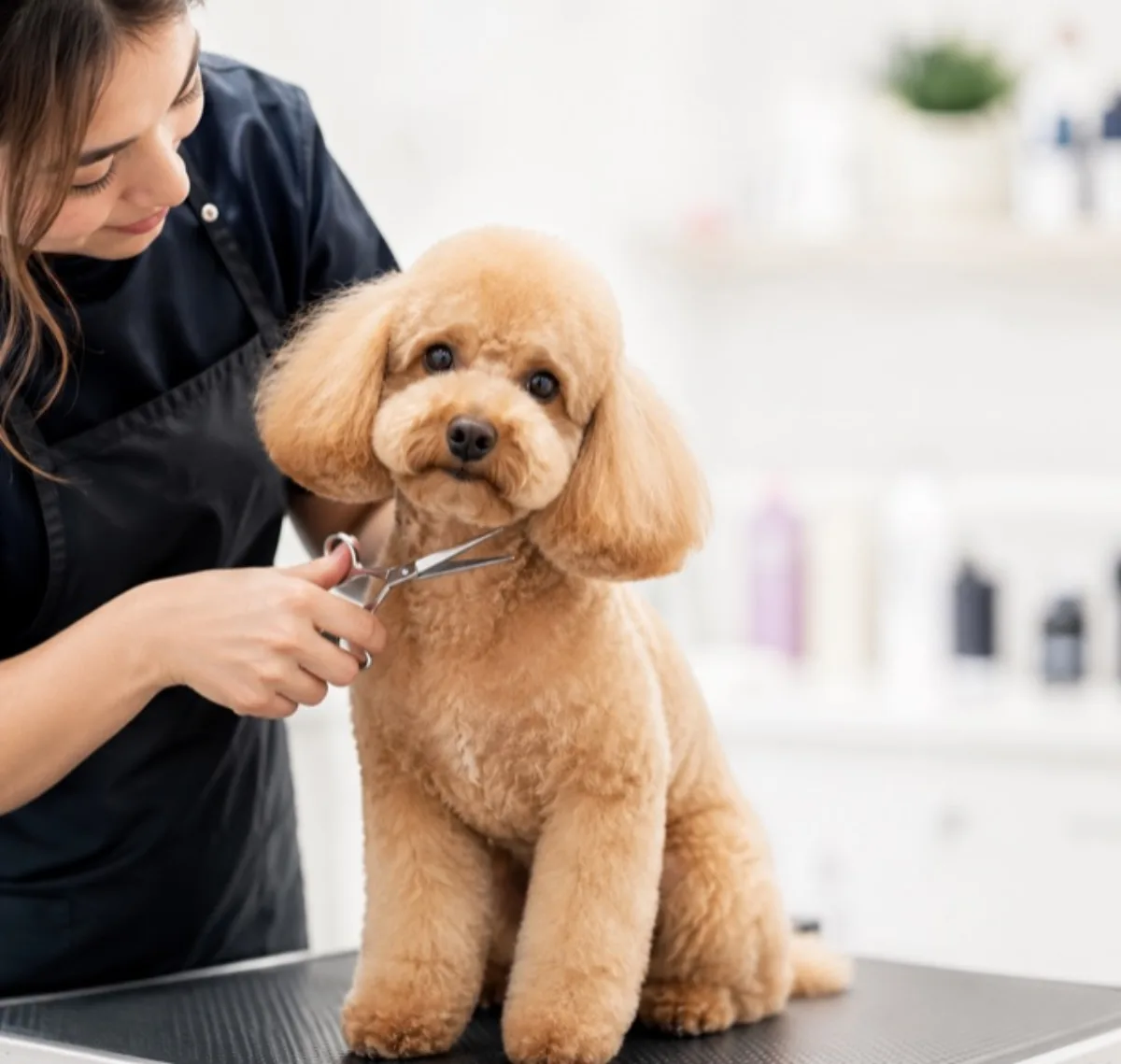
While checking nails, also look at the fur between the paw pads. In long-haired dogs, this fur clumps up in winter, holds bits of snow and ice, and can irritate the skin when it stays wet. Carefully trimming fur that sticks out past the paw pads with small, round-tipped scissors helps your dog get a better grip on the ground.
While you're at it, check the condition of the paw pads too. In the winter months, cold, dry air and road salt can cause the pads to crack. Wiping the paws with lukewarm water after a walk and drying them thoroughly is a simple but effective habit.
Make care part of a weekly routine
Instead of treating nail and paw checks as a separate chore, building them into a weekly grooming slot makes the job easier. For example, every Sunday evening you can do brushing, an ear check and paw care back to back. As your dog gets used to the routine, it will go along with the process more calmly, and you'll notice small changes early. Keeping a logbook or a phone note with the date of the last trim helps you estimate when the next one is due.
When should you get professional help?
In some cases, it's safer to leave the trimming to a professional:
- If the nails are very overgrown and curled
- If your dog gets extremely stressed or becomes defensive during trimming
- If the nails are dark and the quick isn't visible at all
- If there's an infection, a break or an ingrown nail
A pet groomer who comes to your home is also an option for routine trims and care. You can browse service providers in your area on the mobile pet groomer page. If there's a wound, discharge or limping around the nail, though, see a veterinarian first.
Frequently Asked Questions
How often should I check the nails in winter?
A quick look once a week is enough. How often to trim depends on your dog's age, breed and how much it walks. Once you start hearing the clicking sound, it's time to trim.
Is a grinder or a clipper more suitable?
Either can be used. A clipper is fast, while a grinder works in a more controlled way and makes it easier to get close to the quick. If your dog is bothered by noise or vibration, starting with a clipper may be a better fit.
The nail bled during trimming. What should I do?
Stay calm and press on it with a clean cloth for a while. If the bleeding doesn't stop within a few minutes, the nail is broken or your dog won't put weight on its foot, check with your veterinarian.
Should I trim my puppy's nails?
Puppies' nails grow too, and they get sharp. Getting a puppy used to nail care early on with short, positive sessions makes the job much easier later.