


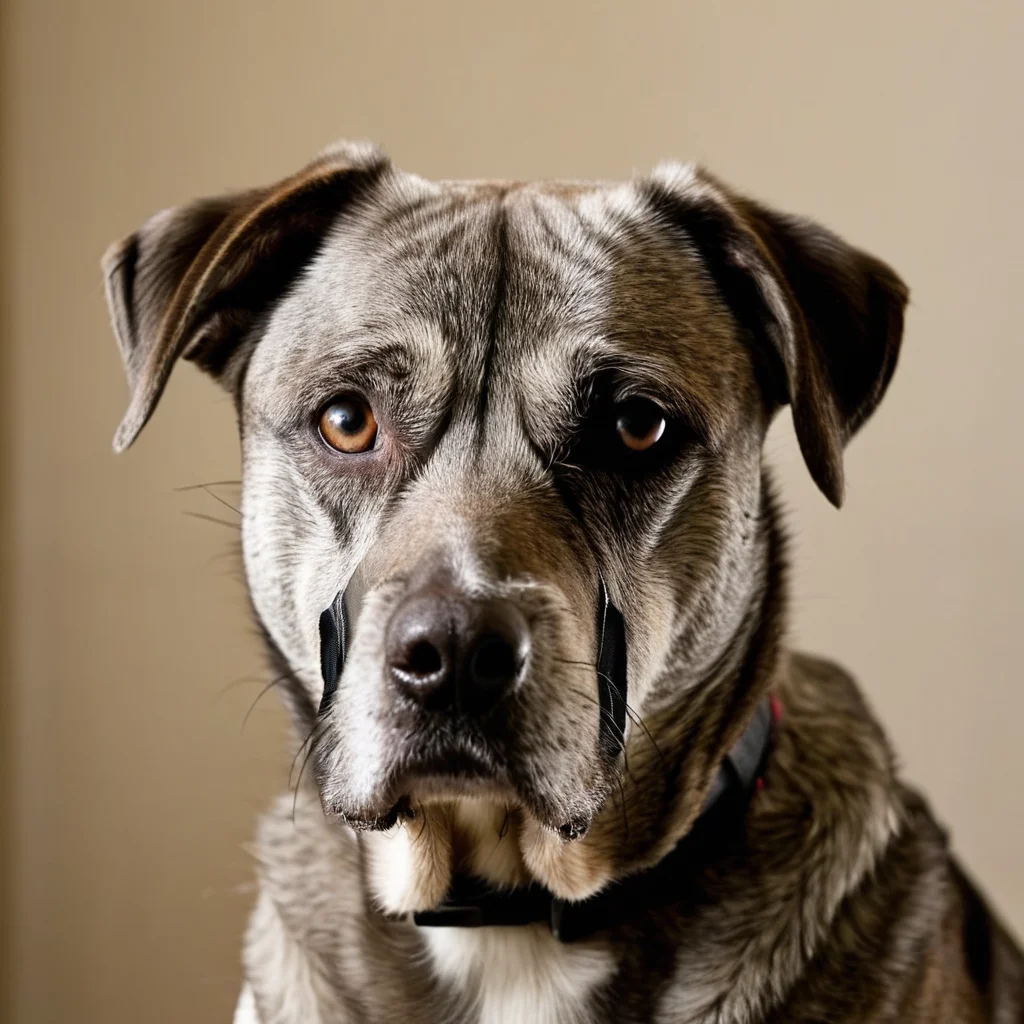

Canine Cognitive Dysfunction Syndrome (CDS) is a progressive decline of the brain in older dogs, similar to Alzheimer's disease. It affects 14-25% of dogs aged 10 and older and 35-50% of dogs aged 15 and older. Its chain of symptoms is grouped under the acronym "DISHA." Early diagnosis and a multimodal approach slow its progression and protect quality of life. In this article, we take an in-depth look at CDS and its treatment protocol.
1. What Is CDS?
- Age-related degenerative changes in the brain's neurons.
- Beta-amyloid buildup (similar to Alzheimer's).
- Oxidative stress and free radical damage.
- Neurotransmitter imbalance (acetylcholine, dopamine).
- Slow, progressive and irreversible.
- Becomes noticeable from age 10, common from age 13.
2. DISHA Signs (Acronym)
- D - Disorientation:
- Gets lost in familiar surroundings.
- Gets stuck in corners.
- Approaches doors from the wrong side.
- Can't find the food or water bowl.
- I - Interaction (changes in social interaction):
- Doesn't recognize the owner.
- Less interest, or excessive clinginess.
- Fear of familiar guests.
- Shows less affection.
- S - Sleep (sleep disturbances):
- Not sleeping at night.
- Sleeping too much during the day.
- The sleep-wake cycle flips.
- Wandering and barking at night.
- H - Housesoiling (accidents indoors):
- Forgets potty training.
- Random accidents inside the house.
- Accidents on or near the bed.
- A - Activity (changes in activity):
- Pacing: walking without stopping.
- Aimless movement.
- Or the opposite: excessive inactivity.
- Repetitive behaviors.
3. Diagnosis
- Vet exam: Rule out pain and orthopedic problems.
- Complete blood count and biochemistry: Thyroid, kidneys, liver.
- Urinalysis.
- Blood pressure.
- Behavior score from the owner: The CADES (Canine Dementia Scale) questionnaire.
- Neurological exam: Paralysis, vision and hearing.
- MRI if needed: To rule out a brain tumor.
4. Treatment: Medication
- Selegiline (Anipryl):
- The only FDA-approved drug for CDS.
- An MAO-B inhibitor that increases dopamine.
- 0.5-1 mg/kg/day.
- Takes effect in 4-8 weeks.
- Improvement in 70% of dogs.
- Propentofylline (Vivitonin): Used in Europe; increases blood flow to the brain.
- Pain management: Joint pain can mimic CDS signs.
5. Treatment: Nutrition
- Hill's b/d Senior Cognitive Care:
- A full antioxidant blend plus omega-3 and L-carnitine.
- Clinically shown to slow CDS.
- Purina ONE Vibrant Maturity Bright Mind / Pro Plan Bright Mind:
- Contains MCTs (medium-chain triglycerides).
- An alternative energy source for the brain.
- Royal Canin Senior Mature/Aging.
6. Supplements
- Omega-3 (EPA+DHA): High dose, anti-inflammatory and good for brain health.
- SAM-e (S-adenosylmethionine): Cognitive support and liver support.
- L-carnitine and alpha-lipoic acid: Mitochondrial support.
- Antioxidants: Vitamins E and C plus selenium.
- Vitamin B12 and folic acid.
- Senilife, Aktivait, Neurobalance: Commercial multi-ingredient products.
7. Adapting the Home
- Keep the routine: Fixed times for meals, walks and sleep.
- Rearranging furniture: Keep the familiar layout.
- Night light: Makes it easier to find the way.
- Padding corners: Prevents falls and bumps.
- Non-slip rugs: Protect aging joints.
- Keep food and water bowls in a fixed spot.
8. Mental Exercise
- Puzzle feeders (working to earn food).
- Snuffle mats (sniffing games).
- Teaching new commands (at a slow pace).
- Short walks on new routes (moderate difficulty).
- Social interaction (calm).
- "Use it or lose it": a brain that keeps being used isn't lost.
9. Challenges for the Owner
- Not sleeping at night means lost sleep for the owner.
- Accidents indoors mean more cleaning.
- Not being recognized causes emotional pain.
- Educate family members so they understand an aging pet.
- Think about a hospice care plan.
- Quality of life assessment (the HHHHHMM scale).
10. Prognosis and End of Life
- CDS is progressive; there is no full recovery.
- Multimodal treatment slows it for 6-18 months.
- Eventually, quality of life declines.
- Euthanasia may be considered.
- Palliative care in the final stage.
- On average, 1-3 years after diagnosis.
Canine CDS is the progressive effect of aging on the brain, and the formula of early diagnosis plus multimodal treatment (Selegiline, omega-3, diet, home environment and mental exercise) protects quality of life. Patience from the owner and understanding from the family are critical. In the DoldurKabı app, you'll find vet clinics experienced with senior pets, all on a map.









