


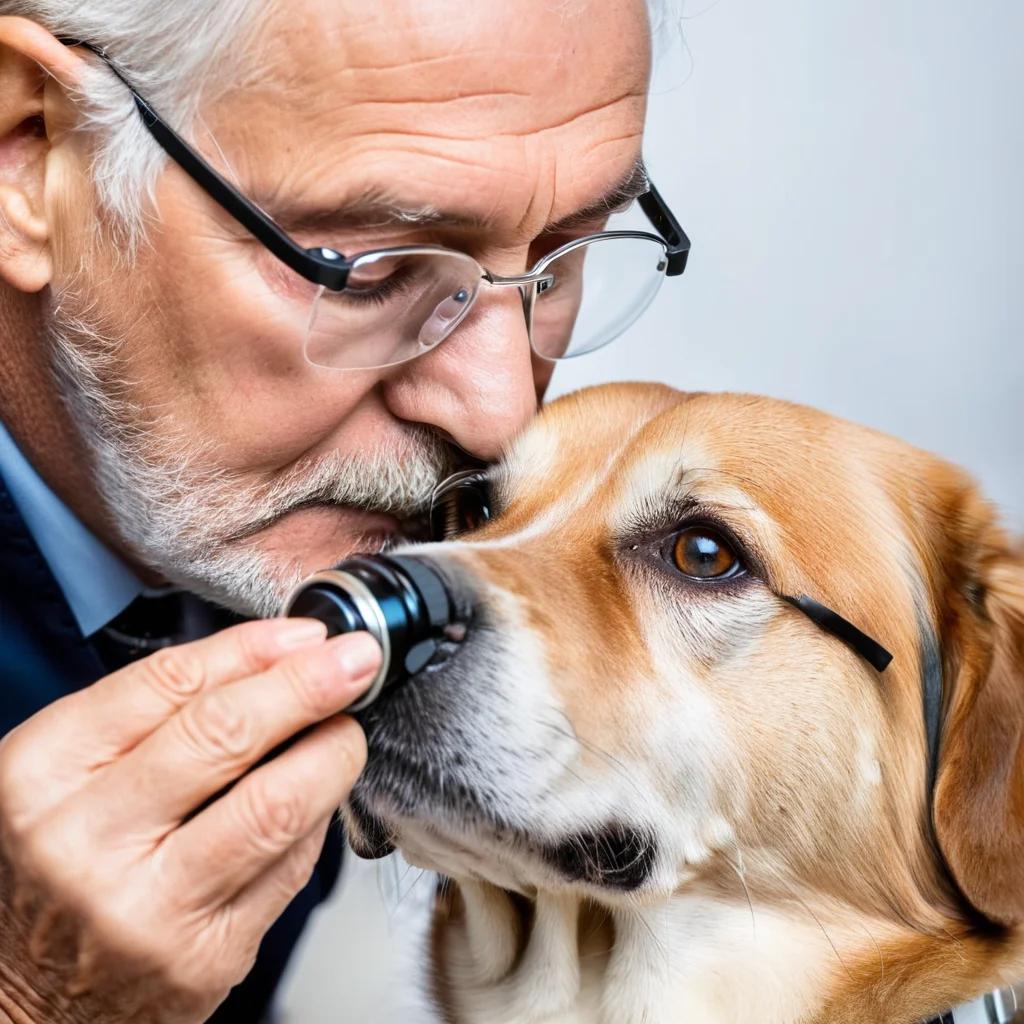

Cataracts and glaucoma are the two main eye diseases in pets. A cataract is a clouding of the lens (progressive blindness), and glaucoma is a rise in pressure inside the eye (a painful emergency). With early diagnosis and treatment, most cases are managed well. In this article we look at the details of both diseases, surgical options and adapting to blindness.
1. What Is a Cataract?
- A clouding of the lens of the eye.
- Vision slowly declines.
- A fully mature cataract → complete blindness.
- It can affect one eye or both.
2. Causes of Cataracts
- Aging: Age 7+, the most common cause.
- Genetics: Bichon Frise, Cocker Spaniel, Husky, Boston Terrier, Labrador, Poodle.
- Diabetes: 70% of diabetic dogs develop cataracts within 1 year.
- Trauma: A blow to the eye.
- Toxins / radiation.
- Congenital.
3. Signs of Cataracts
- A bluish-white cloudiness in the lens (you can see it).
- Unsteadiness, bumping into things.
- Night vision is lost first.
- Getting lost in new surroundings.
- Sad or depressed behavior.
4. Cataract Surgery
- Phacoemulsification: Modern lens surgery. Ultrasound breaks up the lens, and an artificial lens is put in.
- Success rate is 85-90%.
- Cost
- It's more successful when done early.
- Diabetic cataracts call for quick treatment.
- After surgery, 3-6 months of eye drops and medication.
In an emergency, don't waste time researching prices; get your pet to the vet first. The fee depends on the city, whether it's a clinic or a hospital, after-hours visits, imaging or hospitalization, and the animal's weight and age. The provincial Chamber of Veterinarians (Veteriner Hekimleri Odası) publishes an annual minimum fee schedule; the schedule is a floor, not the final bill. Ask the clinic for a written or verbal cost estimate.
5. What Is Glaucoma?
- Pressure inside the eye (IOP) rises (normal is 10-25 mmHg; with glaucoma it's 30+ mmHg).
- Damage to the retina and optic nerve.
- Very painful.
- Untreated, it causes permanent blindness within 24-48 hours.
6. Types of Glaucoma
- Primary glaucoma: Genetic, with breed predisposition (Husky, Cocker, Akita, Basset Hound).
- Secondary glaucoma: Uveitis, lens luxation, bleeding, tumors.
- Acute: Develops suddenly and is painful.
- Chronic: Progresses slowly, diagnosed late.
7. Signs of Glaucoma (Emergency)
- A suddenly enlarged eye ("buphthalmos").
- A red, cloudy eye.
- A dilated pupil (doesn't respond to light).
- Severe pain (the dog hides its head, howls).
- Vision loss.
- Loss of appetite and lethargy.
8. Treating Glaucoma
- Emergency: IV mannitol plus eye drops (latanoprost, dorzolamide, timolol) to bring the pressure down.
- Chronic: A daily combination of eye drops.
- Surgery: Cyclophotocoagulation (laser) damages the ciliary body so it produces less fluid.
- Advanced cases: Enucleation (removal of the eye), which ends the constant pain.
- Cost: drops
In an emergency, don't waste time researching prices; get your pet to the vet first. The fee depends on the city, whether it's a clinic or a hospital, after-hours visits, imaging or hospitalization, and the animal's weight and age. The provincial Chamber of Veterinarians (Veteriner Hekimleri Odası) publishes an annual minimum fee schedule; the schedule is a floor, not the final bill. Ask the clinic for a written or verbal cost estimate.
9. Adapting to Blindness
- Dogs and cats adapt well to blindness; smell and hearing compensate.
- Keep the furniture at home in the same positions.
- Pad sharp corners.
- Use a safety gate on stairs.
- Voice commands plus rewards.
- Outdoors, use a leash and stay close to the owner.
- Introduce new surroundings slowly.
- Rugs and floor textures help with finding the way.
- Cats: access to high shelves becomes harder, so find an alternative.
10. General Precautions
- A yearly eye exam (age 5+).
- Screening by an eye specialist for predisposed breeds.
- Tight blood sugar control in diabetic dogs.
- Genetic testing of parents (especially for PRA).
- Protection from eye injuries and trauma.
- Be disciplined with eye drops: no skipping.
- When you see signs, go to the vet RIGHT AWAY (especially with glaucoma).
Cataracts and glaucoma are the most common eye diseases in pets. Early diagnosis, surgery and medical treatment prevent or slow vision loss. Glaucoma is an emergency, and hours count. Good adaptation after blindness is possible, and the animal can live happily for years. In the DoldurKabı app you can find vet clinics experienced in ophthalmology on a map.









