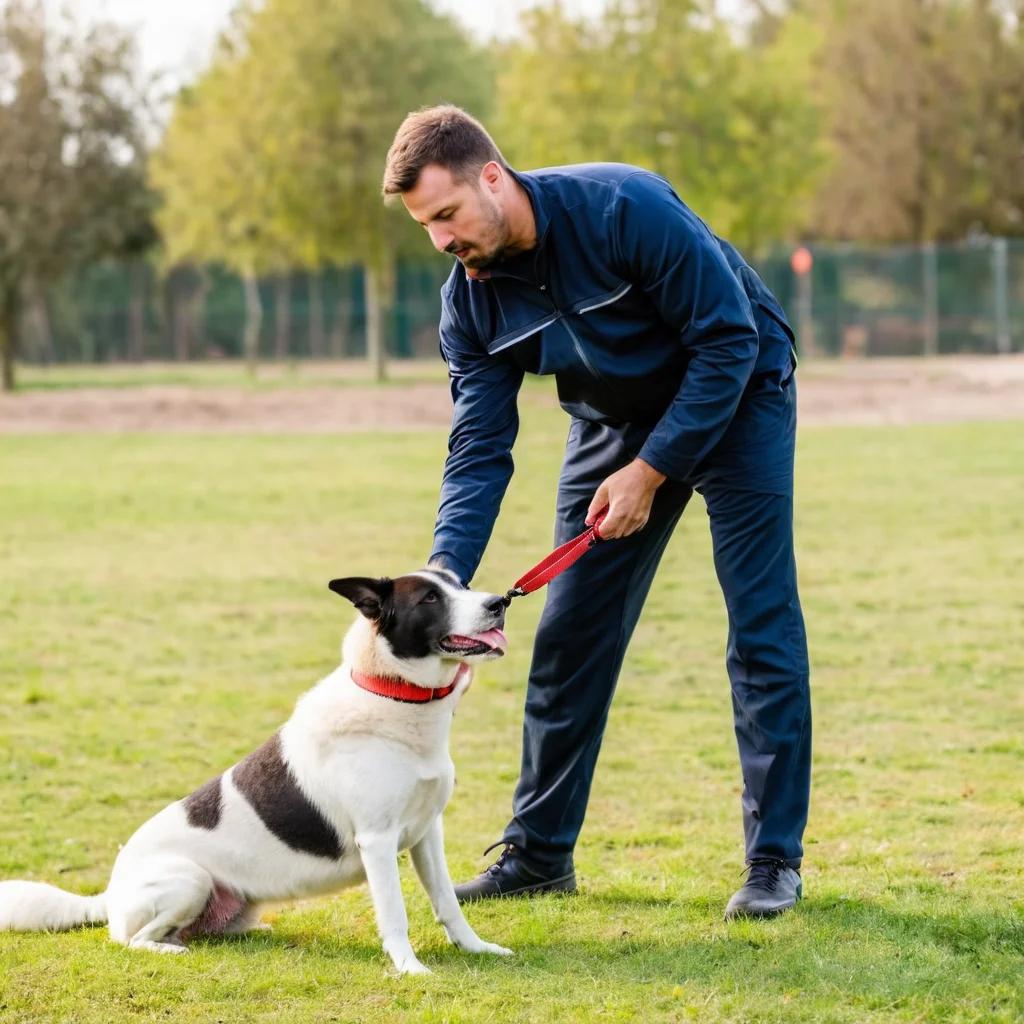

Dog aggression is not a single behavior but 7 different types. Each type has a different cause, diagnosis and treatment. Saying "my dog is aggressive" is not enough: identifying the type determines whether treatment succeeds. The right behavioral approach brings improvement in 70-80% of cases. The wrong approach (the alpha myth, dominance) makes the problem worse. In this article, we take a detailed look at the 7 types of aggression and their treatment protocols.
1. Fear-Based Aggression (Most Common)
- Trigger: Strangers, sounds, surroundings, other dogs.
- Sign: Backing away, then an explosive attack.
- Body language: Tail low, ears back, body lowered, teeth showing.
- Treatment:
- Systematic desensitization.
- Counterconditioning (trigger = reward).
- BAT (Behavior Adjustment Training).
- Distance management.
- Never force or punish.
2. Territorial Aggression
- The home, yard and car are the dog's "territory".
- The doorbell, the mail carrier and couriers are triggers.
- Guarding instinct: common in some breeds (German Shepherd, Akbash).
- Treatment:
- A "place" command when the doorbell rings.
- Counterconditioning (doorbell = reward).
- Managing the environment (blocking the view).
- Distance between the dog and the door.
3. Possessive Aggression
- Resource guarding: food, toys, bed.
- It can start in puppyhood.
- Trade-up technique: give something of low value, take the valuable item → give the valuable item back.
- Guarding the owner or a family member: serious.
- A professional behaviorist is a must.
4. Pain or Illness-Based Aggression
- Joint pain, tooth pain, ear infection.
- A calm dog that suddenly turns aggressive = vet check.
- Common in senior dogs (osteoarthritis).
- Treatment:
- Vet rules out causes → pain management.
- Rule out cognitive dysfunction (dementia).
- Medication.
5. Social Aggression (Dog-to-Dog)
- Leash reactivity.
- Fights at the park.
- Dog-to-dog rivalry within the household.
- Treatment:
- BAT and LAT (Look at That) training.
- Gradual desensitization.
- Reward-based distance management.
6. Predatory Aggression
- Small animals (cats, rodents, birds, even babies) are the target.
- Silent stalking and sudden attack.
- High in some breeds (Husky, Greyhound, Terrier).
- Treatment:
- Leash and muzzle are mandatory.
- A strong "leave it" command.
- Keep the dog away from triggers.
- A full cure is hard, so management matters.
7. Frustration (Barrier) Aggression
- More aggressive on a leash and behind fences.
- "Reactive helplessness": the dog cannot approach, so frustration builds up.
- Treatment:
- Managing the environment (barriers and line of sight).
- Regular exercise and socialization.
- Impulse control through training.
8. The Diagnostic Process
- 1. Vet rules out causes: Pain and medical reasons.
- 2. Behaviorist consultation: Identifying the type.
- 3. Detailed history: Triggers, age, onset.
- 4. Video recording: Behavioral analysis.
- 5. Treatment plan: A type-specific protocol.
9. Never-Do List
- ❌ The "alpha roll": flipping the dog onto its back. Unscientific and dangerous.
- ❌ Yelling and hitting: aggression increases.
- ❌ Shock collars: a fear-aggression spiral.
- ❌ The "dominance" approach: debunked by science.
- ❌ "Testing" an aggressive dog: risk of injury.
- ❌ After punishment, the aggressive behavior continues and trust is lost.
10. Safety for the Owner and Others
- Muzzle training: Mandatory during treatment and outdoors.
- A secure leash: Never off-leash at the park.
- Keep children away: Never leave them alone with an aggressive dog.
- Follow-up for years: Full recovery is rare; management is the norm.
- Legal responsibility: The owner is responsible for the dog's attacks.
With dog aggression, identifying the type and a science-based behavioral protocol is the key to success. Fear, possessive, pain, social, predatory, territorial, frustration: each type is treated differently. A professional behaviorist, patience and consistency are essential. In the DoldurKabı app, you can find vet clinics experienced in behavior on a map.