


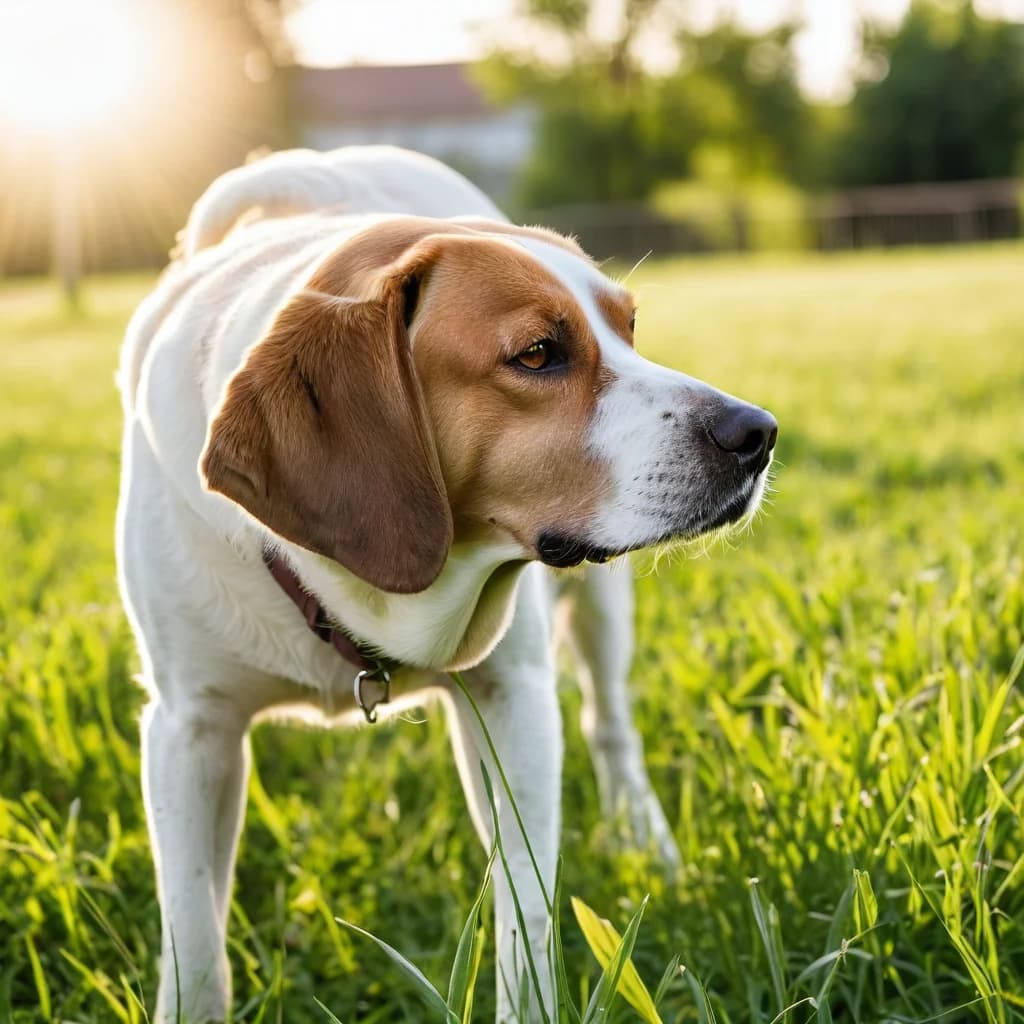

Have you ever noticed your dog suddenly stop during a walk in the park or yard, sniff the grass, then start pulling it up and eating it with gusto? You're not alone. Eating grass is one of the behaviors dog owners ask vets about most often, and it's usually a far more innocent habit than people think.
Still, it's completely natural to wonder what's behind it. Is my dog sick, is its stomach upset, or is it just enjoying itself? In this post, we go step by step through the possible reasons for eating grass, which situations count as normal and when you should see a professional.
How Common Is Grass Eating in Dogs?
The short answer: quite common. Most dogs eat grass now and then at some point in their lives, and many turn it into a regular habit. Veterinarians and behavior experts generally see occasional grass eating as normal dog behavior. So when your dog pulls up some grass from time to time, it doesn't have to mean there's an illness.
This behavior isn't unique to pet dogs, either. Plant remains are often found when the droppings of wolves and other wild canids are examined. Wild canids take in plant material both from the stomach contents of their prey and by grazing directly. So eating grass is a behavior that is already part of your dog's evolutionary repertoire.
Why Do Dogs Eat Grass? The Main Explanations
There is no single, definite answer; most likely several reasons play a part together. Here are the most widely accepted explanations:
A natural instinct inherited from ancestors
Eating plants is part of the natural feeding behavior of canids. Your dog, who now lives next to a food bowl, has mostly lost the need for this instinct, but the behavior itself may be carried along as a genetic inheritance. If you're curious about the behavior tendencies of different breeds, take a look at our dog breed encyclopedia.
A need for fiber
Grass adds fiber to the digestive system. Some dogs have been observed to eat grass less often after switching to a higher-fiber food. This doesn't mean every grass-eating dog is missing something in its diet; but if your dog is searching for grass a lot, reviewing what's in its food with your vet is a sensible step.
The upset stomach theory: an exaggerated link
The most common belief is that dogs eat grass to settle their stomachs or make themselves throw up. In reality, this link is most likely exaggerated. Most dogs that eat grass show no signs of illness beforehand, and only a small share vomit afterward. So vomiting looks less like the goal of eating grass and more like an occasional side effect. Of course, there are exceptions: a dog with a truly upset stomach may also go for grass. But the conclusion it ate grass, so it must be sick is wrong in most cases.
Boredom and attention seeking
Dogs that don't get enough exercise or mental stimulation look for something to do, and eating grass can be one of those things. Also, if you react right away when your dog eats grass, by yelling, running over to stop it or giving it lots of attention, you may be rewarding the behavior without realizing it. For some dogs, their owner's attention is more appealing than the taste of grass.
It may simply like the taste and texture
Some explanations aren't that complicated. Fresh, juicy grass, especially in spring, may genuinely taste good to some dogs. Dogs that carefully pick certain grasses and ignore others support this view.
Is It Normal for a Dog to Eat Grass and Vomit?
If your dog vomits now and then after eating grass, that alone isn't a reason for alarm. Long blades of grass can irritate the throat and stomach lining and trigger the vomiting reflex. If vomiting is rare and your dog acts normal afterward, with its usual appetite and energy, there is generally no problem.
The picture to really watch for is this: your dog vomits often, seems to keep searching for grass in order to vomit, or the vomiting comes with loss of appetite, lethargy and diarrhea. In that case, there may be a digestive problem unrelated to eating grass. Contact your vet without delay.
When Is It Normal, and When Is It a Concern?
These behaviors are generally within the normal range:
- Calmly pulling up and eating a few blades of grass now and then
- Showing no discomfort after eating grass
- Normal appetite, energy and bathroom habits
In the following situations, a vet visit is a must:
- A sudden, clear increase in how often your dog eats grass, almost obsessive eating
- Frequent, repeated vomiting, diarrhea or constipation
- Loss of appetite, lethargy, weight loss
- Starting to eat inedible things like dirt, stones or plastic along with grass (pica)
- Searching for grass along with signs of nausea, such as constant lip licking, swallowing and restlessness
If you see a picture like this, you can find a clinic near you on our vets page and book an exam without wasting time.
The Hidden Danger: Treated Grass and Parasites
Where the grass comes from matters more than eating grass itself. Pay special attention to these risks:
- Herbicides and pesticides: In parks, residential complexes and farmland, grass may be treated with weed killers and insecticides. Don't let your dog eat grass in areas you know or suspect have been sprayed.
- Parasite risk: Grass that has been in contact with other animals' feces can carry intestinal parasite eggs. Keeping your dog's parasite prevention up to date greatly reduces this risk.
- Toxic plants: Some garden plants can be dangerous for dogs that also nibble on nearby ornamental plants while looking for grass. If you see your dog eat a plant you don't recognize, contact your vet.
What You Can Do to Cut Down on Grass Eating
Even if the behavior is within normal limits, you may want to reduce it; that's an understandable choice, especially if you walk in areas that may not be safe. Here are methods that work:
- Increase exercise and mental stimulation. Longer walks, sniffing games, treat-search activities and stuffable toys reduce grass eating that comes from boredom.
- Review the diet. Talk with your vet to assess the fiber content of the food; if needed, plan a gradual switch to a new food.
- Teach a leave-it command. A leave-it command taught with reward-based training is a lifesaver, both for grass and for other things picked up off the ground.
- Offer a safe alternative. By growing wheatgrass or barley grass in a pot at home, you can give your dog a clean, untreated option.
- Don't punish. Yelling and punishing don't solve the behavior; they can make things worse by raising stress. Calmly redirecting to another activity always works better.
Frequently Asked Questions
My puppy eats grass all the time. Should I worry?
Puppies explore the world with their mouths; playing with and tasting grass, leaves and dirt is a natural part of their development. Most puppies do this less as they grow. But if your puppy is obsessively eating grass and swallowing foreign objects, it's a good idea to talk to your vet, both because of the risk of a blockage and the possibility of pica.
My dog vomits after eating grass. Is that harmful?
Occasional vomiting with no other symptoms is generally harmless. But if vomiting happens several times a week, you see blood in the vomit or your dog is lethargic, a vet exam is a must.
Should I stop my dog from eating grass completely?
In areas you're sure are clean and untreated, there's no need; eating grass now and then is normal behavior. What you really need to focus on is making sure the place where your dog eats grass is safe and that the behavior doesn't become an obsession.
Can I grow grass for my dog at home?
Yes. Wheatgrass or barley grass kits, which you can find where pet products are sold, give your dog a controlled, untreated alternative. They're a practical solution, especially for dogs that live in apartments and have limited access to clean grass outdoors.









