


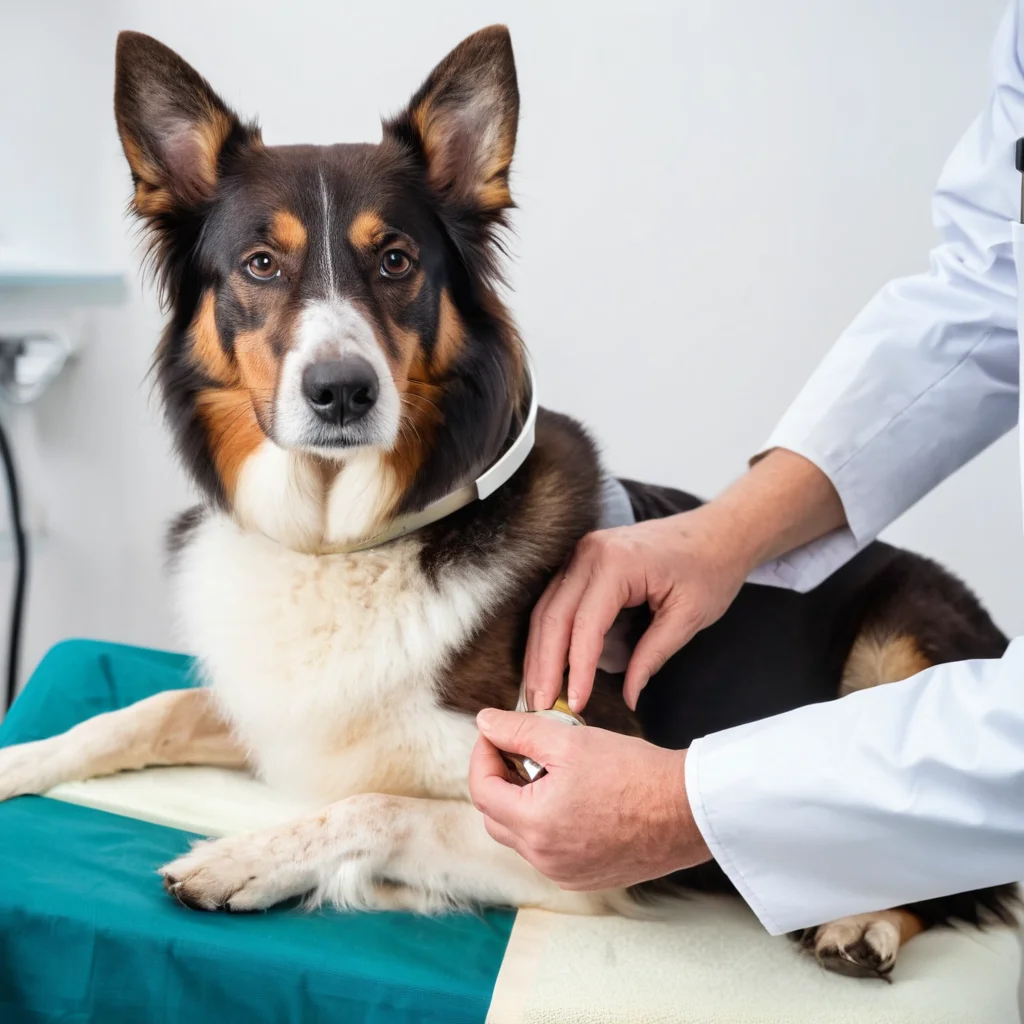

Lymphoma is a cancer of the lymph nodes and the lymphatic system. It is one of the most common cancers in pets and one of the main causes of death in dogs. It is seen in older dogs and middle-aged cats. With chemotherapy, a remission rate of 80%+ is possible, with an average survival of 12-24 months. Whether it is B-cell or T-cell determines the treatment and prognosis. In this article, we take a detailed look at lymphoma.
1. What Is Lymphoma?
- A malignant overgrowth of lymphocytes (a type of white blood cell).
- Lymph nodes, spleen, liver, bone marrow, GI tract and other organs.
- In dogs 5+ years old, in cats 10+ years old.
- The specific cause is unclear: genetic and environmental factors.
2. Types of Lymphoma
- Multicentric (85% of dogs): Involves multiple lymph nodes.
- Alimentary (GI): Involves the intestines/stomach (common in cats).
- Mediastinal: In the chest cavity, especially in cats.
- Skin (cutaneous): Skin lesions.
- Extranodal: Eye, kidney, CNS.
3. Cell Type (Important)
- B-cell (75% of dogs):
- Responds well to chemotherapy.
- Remission rate of 80-90%.
- Average survival of 12-14 months.
- T-cell (25% of dogs):
- More aggressive.
- Lower response rate of 60-70%.
- Average survival of 6-9 months.
4. Chain of Symptoms
- Swollen lymph nodes: Swelling under the jaw, at the shoulder, elbow and behind the knee. Usually painless.
- Lethargy and loss of appetite.
- Weight loss.
- High fever.
- GI lymphoma: vomiting, diarrhea, weight loss.
- Mediastinal: difficulty breathing, fluid buildup.
- Skin: plaque-type lesions.
- Excessive drinking and urination (in cases of hypercalcemia).
5. Diagnosis
- Lymph node examination.
- Fine needle aspiration (FNA): Cytology, the basic diagnostic step.
- Biopsy: Histopathology and typing.
- Complete blood count: Anemia, leukopenia, lymphocytosis.
- Biochemistry: High calcium (hypercalcemia), low albumin.
- Abdominal ultrasound and chest radiography: Staging.
- Immunohistochemistry / flow cytometry: B vs T typing, prognosis.
- Bone marrow biopsy: Diagnosing stage V.
6. Staging
- Stage I: A single lymph node.
- Stage II: Regional lymph nodes.
- Stage III: Lymph nodes throughout the body.
- Stage IV: Liver and spleen involvement.
- Stage V: Bone marrow or another organ.
- Substage "a" is asymptomatic, "b" is symptomatic.
7. Treatment (Chemotherapy)
CHOP protocol (the gold standard):
- Cyclophosphamide, Doxorubicin (Hydroxydaunorubicin), Vincristine (Oncovin), Prednisone.
- A 19-week protocol with weekly drug rotation.
- 80-90% remission in B-cell lymphoma.
- Cost
The fee depends on the city, whether it is a clinic or a hospital, after-hours visits, imaging/hospitalization and the animal's weight and age. The provincial Chamber of Veterinarians (Veteriner Hekimleri Odası) publishes a yearly minimum fee schedule; that schedule is a floor, not the final bill. Ask the clinic for a written or verbal cost estimate.
Simpler options:
- Single drug (Doxorubicin): 50-70% remission, lower cost.
- Prednisone alone: 30% mild remission, palliative.
- Tanovea (rabacfosadine): A modern dog-specific chemotherapy.
- Verdinexor: A newer targeted drug.
8. Side Effects and Quality of Life
- Dogs and cats tolerate chemotherapy better than people do.
- Hair loss is rare (Poodles and Bichons are the exception).
- Temporary vomiting, loss of appetite, lethargy.
- Bone marrow suppression (a drop in white blood cells).
- Regular blood checks are a must.
- Quality of life is generally good during treatment.
9. Predisposed Breeds
- Boxer.
- Golden Retriever (50%+ of deaths are cancer-related).
- Bullmastiff.
- Saint Bernard.
- Scottish Terrier.
- Airedale Terrier.
- Rottweiler.
- In cats, breed predisposition is low, but FeLV+ cats are at high risk.
10. Early Diagnosis and Quality of Life
- A yearly lymph node check for dogs 5 and older.
- If you notice a "pea-sized swelling," go to the vet right away.
- Early stage + B-cell + good treatment → 18-24 months.
- Late stage + T-cell → 6-9 months.
- Treatment is not mandatory; palliative care is also an option.
- The owner decides, with quality of life as the priority.
Lymphoma is the most common cancer in pets, but with chemotherapy, 80%+ remission is possible. The CHOP protocol is the gold standard. B-cell + early stage + good treatment → 1-2 years of good life. Time matters in diagnosis: if you notice a pea-sized swelling, get an FNA right away. In the DoldurKabı app, you can find vet clinics experienced in oncology on the map.









