
The Power of Neighborhood Solidarity: Together for Stray Animals
Caring for stray animals can sometimes look like a task that is hard to manage on your own. But the solidarity that forms when a few people living in the same neighborhood come together can produce amazing results. All across Türkiye, the solidarity networks neighbors build together for stray animals are changing both the animals' lives and neighborhood culture for the better.
How Does Solidarity Begin?
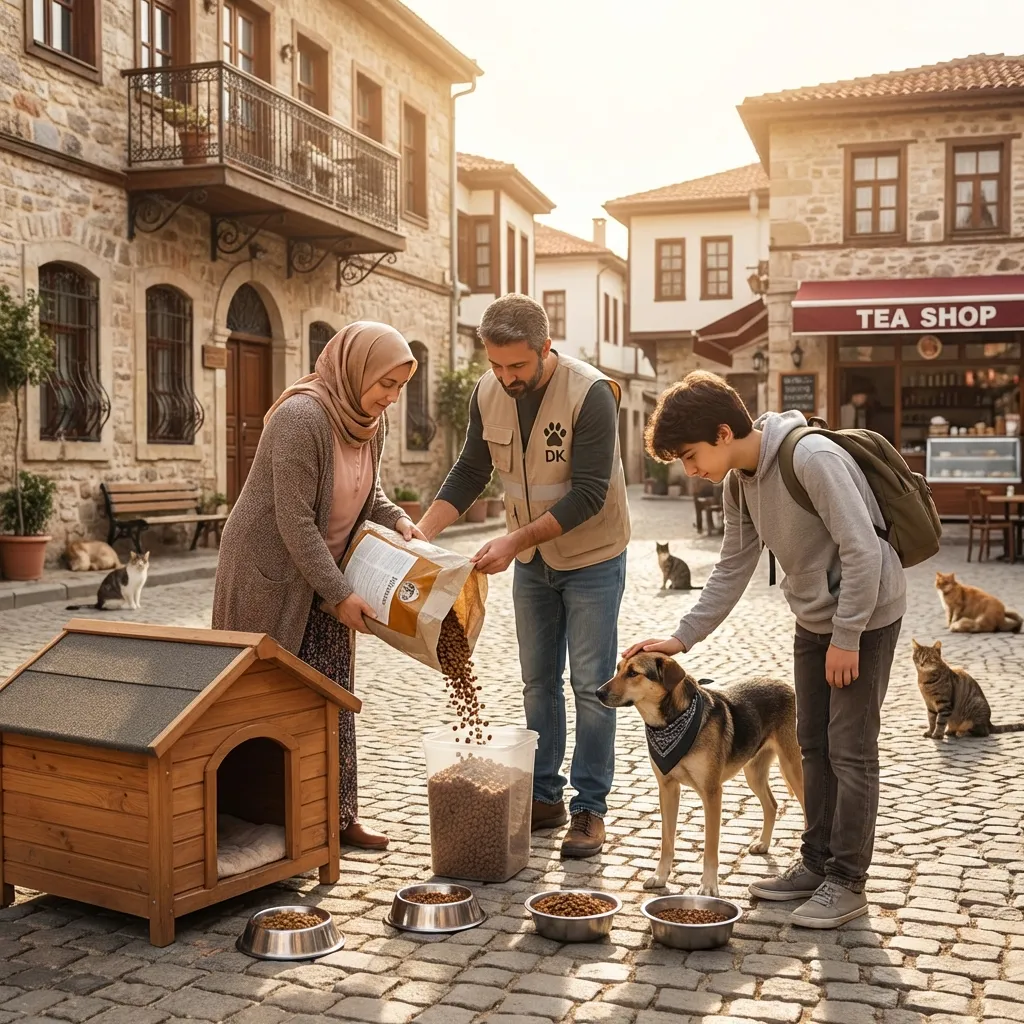
It usually all starts with one person taking action. Neighbors who notice that you feed the stray animals in your neighborhood regularly start to join in over time. Setting up a WhatsApp group or a social media page makes communication and coordination easier. What matters is taking the first step and being consistent.
What Can You Do Together?
A Regular Feeding Schedule
Splitting the feeding responsibility by day or by area keeps too much of the load from falling on a single person. You can set up a schedule where one neighbor covers Monday-Wednesday-Friday and another covers Tuesday-Thursday-Saturday. Covering food costs with a shared fund also eases the strain on everyone's budget.
Spay/Neuter Campaigns
The most lasting effect of neighborhood solidarity shows up in spaying/neutering. When a few families come together to cover the costs of spaying/neutering the neighborhood cats, the number of kittens drops significantly within a few years. Municipal vet clinics and animal protection associations offer support with this.
Building and Maintaining Shelters
Building shelters together in the winter months and taking care of their upkeep and repairs as a group both protects the animals and strengthens the neighborhood spirit. When kids take part in these activities too, they learn to love animals and develop a sense of responsibility.
An Emergency Network
Having a communication network that can act quickly when an injured or sick stray animal is spotted saves lives. Arrangements like neighbors with cars taking on the job of driving the animal to the vet, and treatment costs being shared, make situations that are hard to handle alone manageable.
Working with the Municipality
An organized neighborhood group is far more effective in dealing with the municipality. Joint petitions and requests get results faster than individual complaints. Getting support from the municipality for setting up feeding stations, spay/neuter requests and building shelters is much easier with an organized group.
Challenges and Solutions
Neighbors who don't like animals: You can't expect everyone to love animals. What matters is keeping complaints to a minimum by following hygiene rules, keeping feeding spots clean and giving the animals a controlled environment. Open communication and respectful dialogue with neighbors usually solve the problems.
Loss of motivation: Caring for stray animals is a long-term effort, and motivation can fade. The answer is to share the responsibility and celebrate small wins.
Success Stories
The cats of Istanbul's Cihangir neighborhood are now famous worldwide. This success was made possible by residents feeding, spaying/neutering and protecting the cats for years. Similar stories come from Kızılay in Ankara, Alsancak in Izmir and many other neighborhoods.
Neighborhood solidarity is one of the most effective and sustainable answers to the stray animal issue. One person can make a difference, but together you can achieve much more.