
When the weather starts to turn cold, the flow of help to shelters picks up. That is a good thing, but the same scene repeats every year: plastic bags piled at the shelter gate, holding old comforters, odd pieces of clothing, a few opened boxes of pet food and cartons with no sign of who sent them or why. Some of it really helps. The rest becomes a burden that a shelter volunteer, already short on time, has to sort through.
The difference is not in good intentions but in information. What a shelter needs in winter can be different from what we guess from the outside. Where we picture blankets, they may need cat litter. Where we picture food, they may need medication. Where we picture supplies, they may need people.
In this post, we go through winter help for a shelter item by item: what really works, what should not be sent, and the volunteer support that can be worth more than supplies.
First of all: "What do you need right now?"
The most useful step in helping is a single question asked before you donate. A shelter's needs are not fixed. They may have enough dry food for three months while the cat litter has run out, or the other way around. Needs shift especially at the start of winter, because in a shelter at full capacity priorities change week to week.
When you ask, it helps to pin down a few things:
- Which item is most missing right now, and how much of it?
- On which days and at what times can items be delivered? Is it OK to leave them at the gate?
- Do they use a specific type of food, or does it not matter?
- Would supplies help more, or covering a specific expense?
- Do they need volunteers, and if so, on which days?
You can find shelters in your city and their contact details on our shelters page. One phone call closes the gap between the right donation and the wrong one from the start.
Pet food: the most donated, most mixed-up item
Food is the first thing that comes to mind with donations, and shelters go through it constantly. There are two details here, though.
First, a sudden change in food can cause digestive problems in animals. That is why shelters usually try to stick with one product. Sending a box each of different products is help they can use, but it is not ideal. Asking which type the shelter uses solves this.
Second, packaging. Food that has been opened, has a torn bag or was poured into a container at home is not accepted at most shelters, because there is no way to verify what it is or how fresh it is. Products close to their expiration date cause similar problems.
- Choose products that are sealed, in their original packaging, with an expiration date far off.
- Kitten or puppy, adult and senior pet foods are different; ask which one the shelter needs.
- Wet food is especially useful in winter for senior animals and those with poor appetite, but it needs storage space; confirm before you send it.
- Sending more of one kind is usually more practical than many kinds at once.
Blankets and textiles: which help, which become a burden?
Blankets are the first thing people think of in winter, yet textile donations cause the most trouble. For a textile item to be useful at a shelter, it has to meet two conditions: it must be easy to wash and quick to dry.
A thick wool comforter, a shaggy rug or a cotton-filled mattress takes days to dry once it gets wet. Damp textiles do not keep an animal warm in the cold; quite the opposite, they speed up heat loss. For animals living outdoors, that is a serious problem.
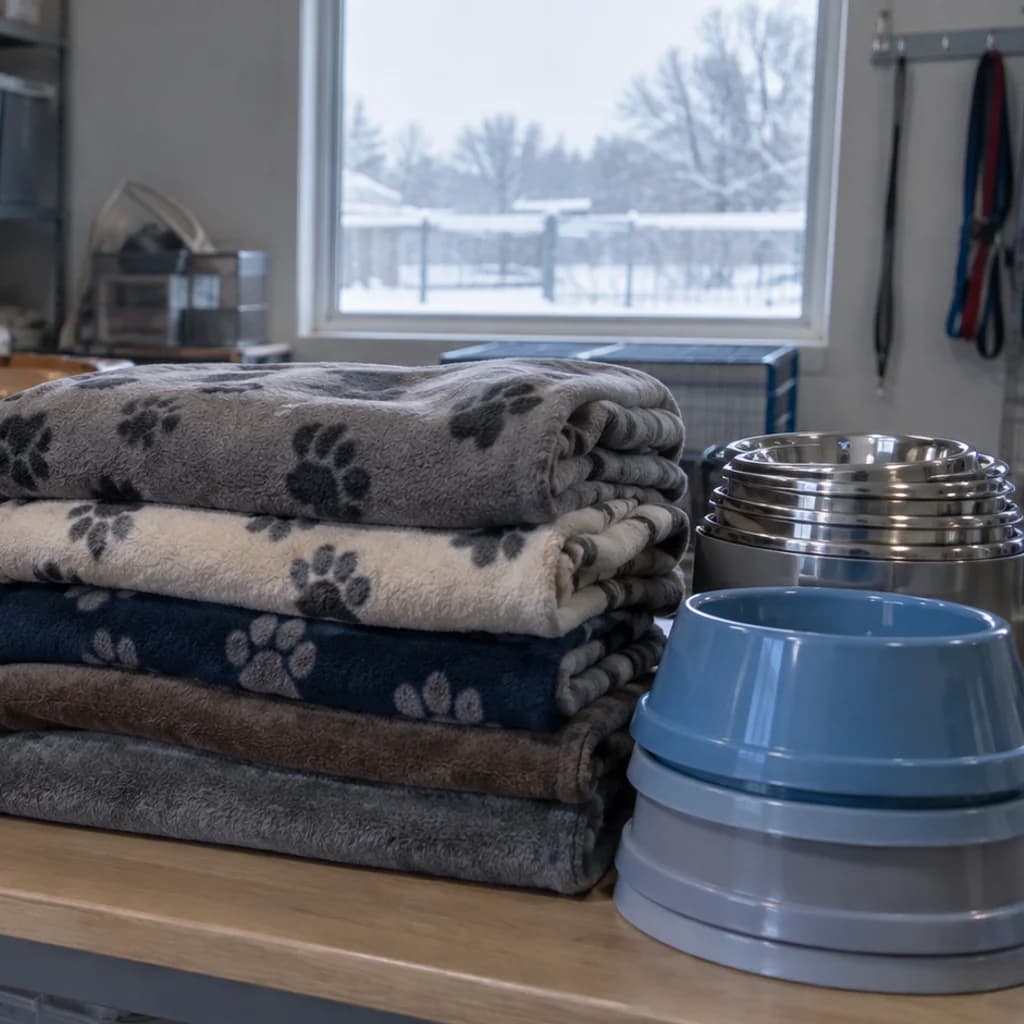
- Helpful: fleece blankets, thin cotton coverlets, towels, washable fabric pieces, clean burlap.
- Difficult: filled comforters, shaggy rugs, wool blankets, thick kilims, anything that gets heavy when wet.
- Not accepted: items that are torn, moldy, strong-smelling or have metal parts.
You may also hear that straw or dry wood shavings are used instead of textiles in outdoor shelters. That is not a shortage but a deliberate choice, because these materials insulate without holding moisture. If that is what the shelter asks for, sending what they want is more helpful than insisting on blankets.
Medication and medical supplies: the vet decides
This topic needs care. Medication sent with good intentions is often something a shelter cannot use.
Leftover medicine from home, opened bottles, prescription products and boxes with no clear indication of who should get what dose cannot be used at a shelter, and it would not be right to use them. Which medication goes to which animal is the decision of the veterinarian who examines that animal, and that decision depends on many things, from weight and age to existing conditions and interactions with other drugs.
If you really want to help in this area, here is the way: offer to contribute directly to the clinic the shelter works with. Covering a spaying/neutering cost, a treatment bill or the care of a specific animal is far more effective than sending random medication. If the shelter does not work with a clinic, you can look at options in your area on our vet list.
- Do not send prescription medication, opened products or expired supplies.
- Do not pass on any treatment to the shelter as your own suggestion, including parasite products.
- Consumables such as bandages, sterile gauze and gloves are usually useful; still, ask before sending.
Beyond supplies: financial support and volunteering
Covering a specific expense
To some people, a cash donation does not feel as concrete as supplies, but it meets a shelter's most flexible need. In winter, the biggest expenses are usually vet bills, fuel, water heating, shelter repairs and medication, and none of these can be left at the gate.
A practical way to solve the trust question is to cover a specific expense instead of making an open-ended donation. Saying "I'll pay this month's food bill" or "I'll cover this animal's treatment" is both trackable and aimed at the spot where the shelter is most squeezed. You can also pay the supplier or the clinic directly.
The real bottleneck: volunteer support
What shelters run shortest on in winter is not supplies but people. When the weather turns cold, the number of volunteers drops while the work grows: insulating shelters, replacing frozen water, cleaning muddy areas, taking a sick animal to the clinic.
Things you can do, even for a single day:
- Cleaning and kennel upkeep: the least wanted and most needed job.
- Checking and refreshing water bowls throughout the day.
- Dog walks and socialization support; this directly improves their chances of adoption.
- Taking photos and writing listings: a good photo can seriously change an animal's chances of finding a new home.
- Transportation help: to the clinic, for food supplies, for adoption handovers.
- Foster home: for senior, sick or recently operated animals, a warm home through the winter frees up a spot at the shelter.
The only thing that permanently lowers the number of animals in a shelter is adoption. If you are thinking about taking an animal in this winter, you can browse adoption listings and include adult and senior animals on your list; they are usually the ones who wait the longest.
What not to send
A short list saves a lot of wasted effort from the start:
- Pet food that is opened, expired or has damaged packaging
- Leftover home food, chicken with bones, spicy or salty food
- Prescription medication, leftover products from home, opened bottles
- Moldy, wet, torn or strong-smelling textiles
- Breakable glass containers and items with sharp edges
- Unsorted bags of clothing
- Bulky items brought because of a nice idea you had, without asking the shelter first
In winter, there is also a higher chance that an animal arriving at a shelter is someone's lost pet. If you have seen an animal in your area whose owner might be looking for it, checking lost pet listings is a form of help that costs nothing but can change the outcome.
Frequently Asked Questions
Can I leave supplies at the shelter without letting them know?
Let them know whenever you can. A donation waiting at the gate can get wet and become unusable, especially in rainy weather, and there may be no one at the shelter to receive it that day. Even a short message makes things clear.
Does a small amount of help make a difference?
Yes. Regular, small support is more predictable than a one-time large donation, so it makes planning easier for shelters. If one bag of food arrives on the same day every month, one line of the budget is secured.
What can I do for the animals in my own neighborhood?
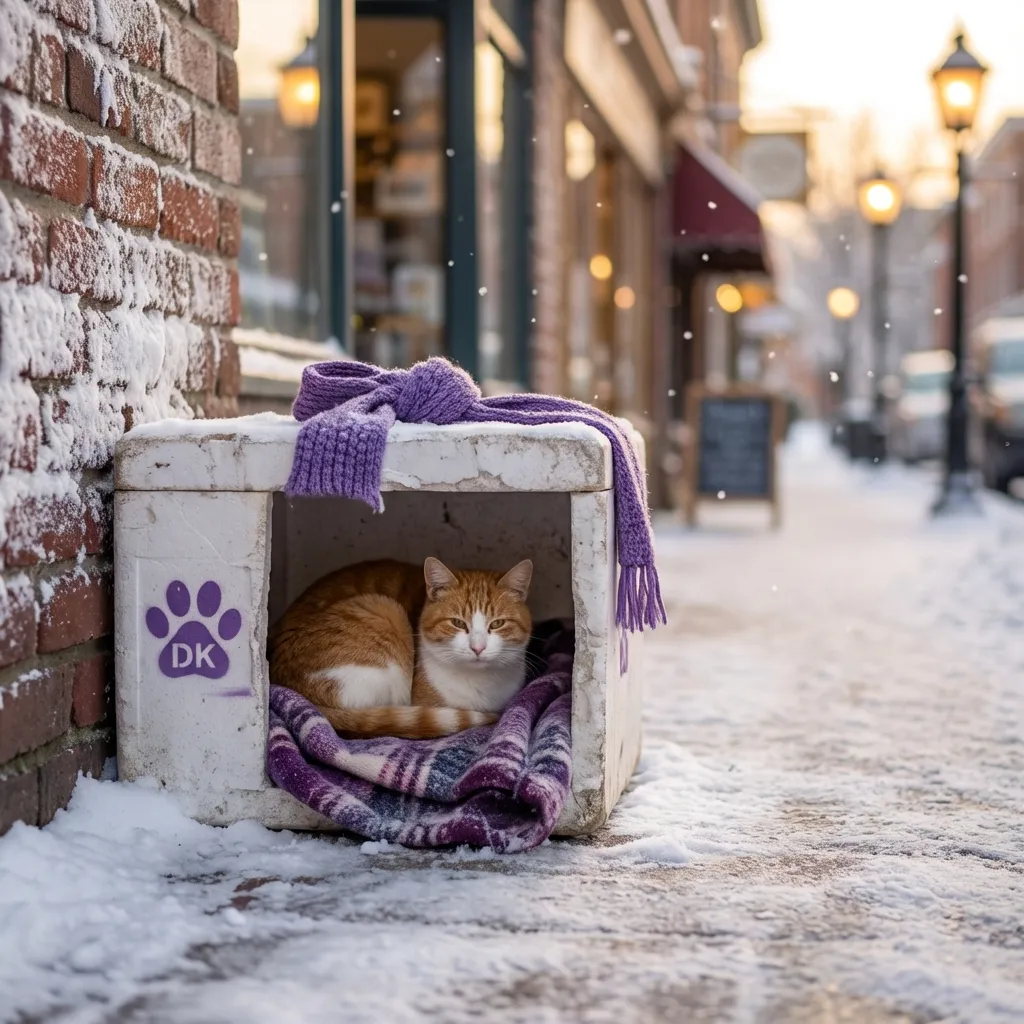
A shelter box, dry insulating material and regularly refreshed water are the three things that help most in winter. While doing this, keeping in mind the local practices where you live and the rules of your apartment building or housing complex makes the effort sustainable.