


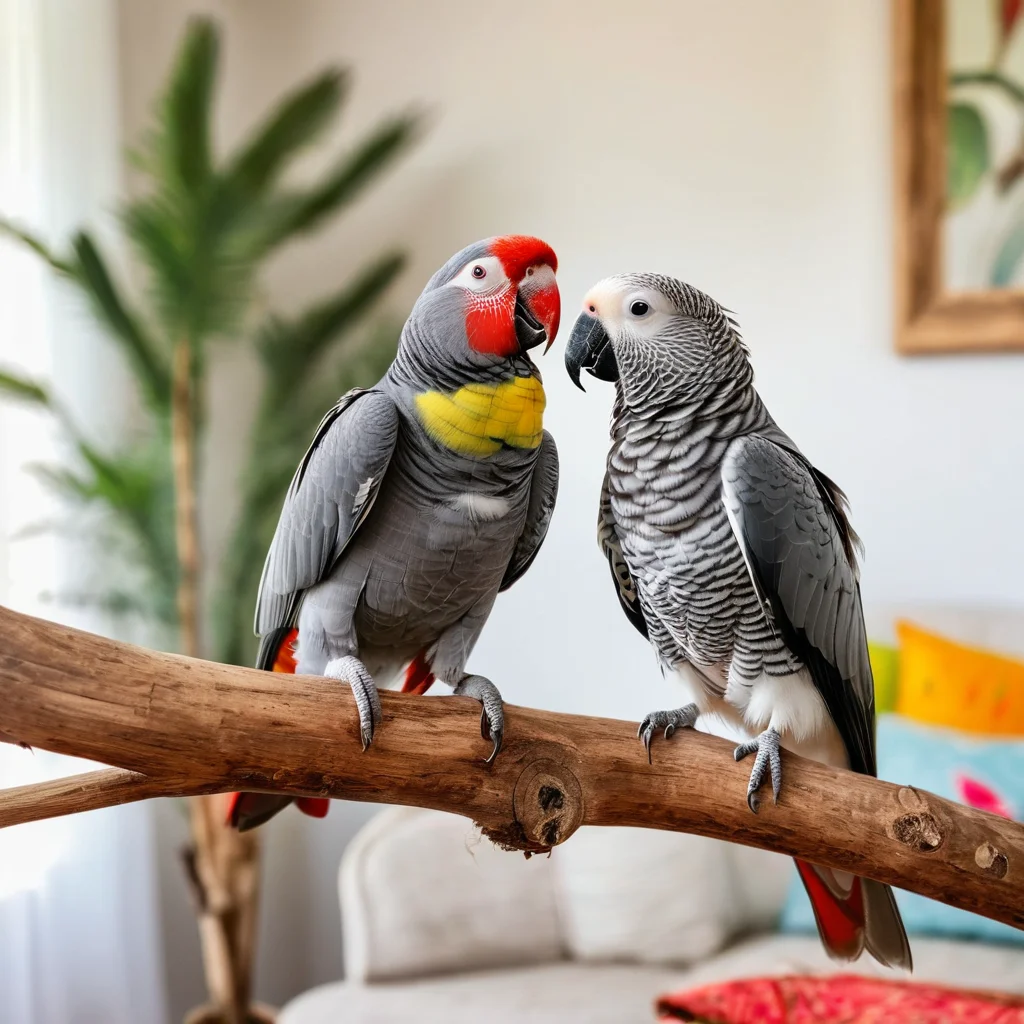

Adopting a parrot is a decision that goes far beyond bringing a colorful bird home. What you get is a curious, emotional, smart and sometimes stubborn companion: a family member who, depending on the species, will live with you for anywhere from 10 to 60 years. That is why the question "which parrot is right for me?" matters far more than "which one looks prettier?"
In this guide we give an honest comparison of seven parrot species that are commonly adopted in Türkiye (the African grey, the cockatiel, the grass parakeet, the lovebird, the lory, the Quaker (monk) parrot and the Alexandrine parakeet) in terms of talking ability, lifespan, noise level, space needs and the attention they will ask for.
Our goal is not to push one species on you. It is to help you see for yourself which bird truly fits your lifestyle. A poor match makes both you and the bird unhappy, and sadly, this is exactly why many parrots end up having to change homes.
The Big Truth First: Parrots Live for Decades
We are not starting with a species comparison but with lifespan, because this is exactly the side of parrot adoption that gets overlooked. A lovebird lives 10-15 years on average and a cockatiel 15-25 years, while the Quaker, the Alexandrine and the lory can easily reach 20-30 years. With good care, an African grey can live 40-60 years. So when you adopt an African grey, we are talking about an animal that will be with you even in retirement, and that may well outlive you.
This picture raises some unavoidable questions: If you move, change jobs, get married or have a child, how will your bird fit into that life? Who will care for it during long vacations? Parrots are flock animals. A parrot left alone for long periods can develop serious stress behaviors such as screaming, feather plucking and withdrawal. If you can answer these questions clearly before adopting, let's go on.
Small and Medium Sizes: Lovebird, Cockatiel and Grass Parakeet
Lovebird: small body, big energy
Lovebirds may be the size of your palm, but in personality they are giants. They bond strongly with their owner, want to be on the move all the time and can play with toys for hours. Their talking ability is limited; some individuals mimic a few words, but you should not expect it. Their voice is choppy and shrill, but thanks to their small body it is usually tolerable for apartment life. When kept as a pair, they may focus on each other and lose some interest in people; if you want a close bond with your bird, keep one and set aside plenty of time.
Cockatiel: a calm-natured whistling master
The cockatiel is a balanced choice for first-time parrot owners. With its gentle nature, cute crest and melodic whistles, it becomes the joy of the home. Males can learn a few words, but their real talent is imitating tunes by whistling. Their noise level is moderate, and they have long quiet stretches during the day. A known sensitivity is night frights: a sudden sound or light in the dark can make them panic and thrash around in the cage. A dim night light helps a lot with this.
Grass parakeet: a feast of color that is a pleasure to watch
The grass parakeet stands out with its eye-catching colors, but in character it is a species that enjoys being watched more than being handled. If you expect a buddy that rides around on your shoulder, you may be disappointed. Its talking ability is weak. On the other hand, watching it glide in a large cage, or in a flight area if you have one, is a pleasure in itself. Its noise level is moderate to high, and its morning and evening calls are noticeable.
The Talkative Side: African Grey, Quaker and Alexandrine
African grey: a little genius with a surprising vocabulary
The African grey is known for imitating human speech along with its intonation; individuals that use words in the right context are common. But this intelligence comes at a price: the African grey needs a lot of mental stimulation. Without long daily interaction, regularly rotated toys and puzzle games, it gets bored, and a bored African grey is prone to behavior problems such as feather plucking. It is emotionally sensitive, senses tension in the home and is affected by changes in routine. Taken together with a lifespan that can pass 40 years, the African grey suits experienced owners who can spend time at home more than it suits a first bird.
Quaker (monk): conversation skills in a small body
Despite its small-to-medium size, the Quaker parrot is quite good at learning words and surprises people with its clear pronunciation. It is playful, bold and curious. The thing to watch is its noise level: when it is bored or wants attention, it can call out insistently. It also has a strong nest-building instinct; it is fun to watch it turn every material you add to its cage into a construction project, but it often messes up the cage setup.
Alexandrine: an imposing look, a loud voice
The Alexandrine parakeet is an impressive bird with its long tail and large beak; it can learn to talk, and some individuals speak clearly. Let's be honest about two things: its voice is loud and shrill and can cause trouble with neighbors in apartment life. Its beak is also strong; if it is not given branches and toys to meet its need to chew, it will go after your furniture. A large cage and daily out-of-cage flight time are not even up for negotiation with this species.
Lory: Eye-Catching but Very Different to Care For
The lory wins people over instantly with its bright colors and clown-like, energetic moves; it can also learn to talk. But the key difference to know before adopting a lory is its diet: a lory's tongue has a brush-like structure suited to feeding on nectar, and it cannot live on standard seed mixes. It needs special lory food, fresh fruit and nectar-like liquid foods. A natural result of this diet is watery droppings that can splatter around; the area around the cage has to be cleaned every day. It has high energy and a shrill voice. In short, the lory suits people who want a different kind of bird and can devote serious time to a care routine.
Ask Yourself Before You Decide
These questions will guide your choice of species:
- How much noise can you tolerate? If you live in an apartment, the cockatiel and the lovebird are a relatively safe harbor; the Alexandrine, the Quaker and the lory may test your relationship with your neighbors.
- How many hours a day can you give? Smart species like the African grey and the Quaker want interaction every day. If you work long hours, a more independent grass parakeet or a pair of lovebirds is a more realistic choice.
- How big is your home? The Alexandrine and the grass parakeet need a large cage and a flight area; the lovebird and the cockatiel can make do with more modest space.
- Have you thought about 10, 20 or even 40 years from now? With long-lived species, you also need to plan your bird's future and, if needed, decide who will care for it if something happens to you.
- How important is talking to you? Keeping in mind that nothing is certain: the African grey, the Quaker and the Alexandrine are inclined to talk; the cockatiel shines at whistling; for the lovebird, the grass parakeet and the lory, count talking as a bonus.
If you are still unsure, take a look at our Suggest a Pet for Me quiz, which helps you find a companion that fits your lifestyle with a few questions.
Frequently Asked Questions
Which species is better for my first parrot?
For beginners, the cockatiel and the lovebird are usually more manageable choices: their care routines are relatively easy to learn, and their noise levels fit apartment life better. The African grey, the Alexandrine and the lory need experience, time and special care, and they can be challenging as a first bird.
Can I be sure my parrot will talk?
No. Talking is an individual ability; of two birds of the same species, one may learn dozens of words while the other never talks at all. The African grey and the Quaker are species inclined to talk, but nothing is certain. Adopt your bird for its companionship, not so it will talk; if it does talk, let that be a bonus.
My parrot is plucking its feathers. What should I do?
Feather plucking is usually a sign of boredom, loneliness, stress or an underlying health problem. Review where the cage is placed, the variety of toys and how much time you spend with your bird; if the plucking starts suddenly, consult a vet who works with exotic animals without delay.
Should I adopt one parrot or a pair?
If someone is home all day and time is set aside for the bird regularly, a single bird forms a deep bond with people. If the home stays empty for long hours, a companion of the same species greatly reduces your bird's loneliness stress; but you should accept from the start that a pair of birds may show less interest in people.









