


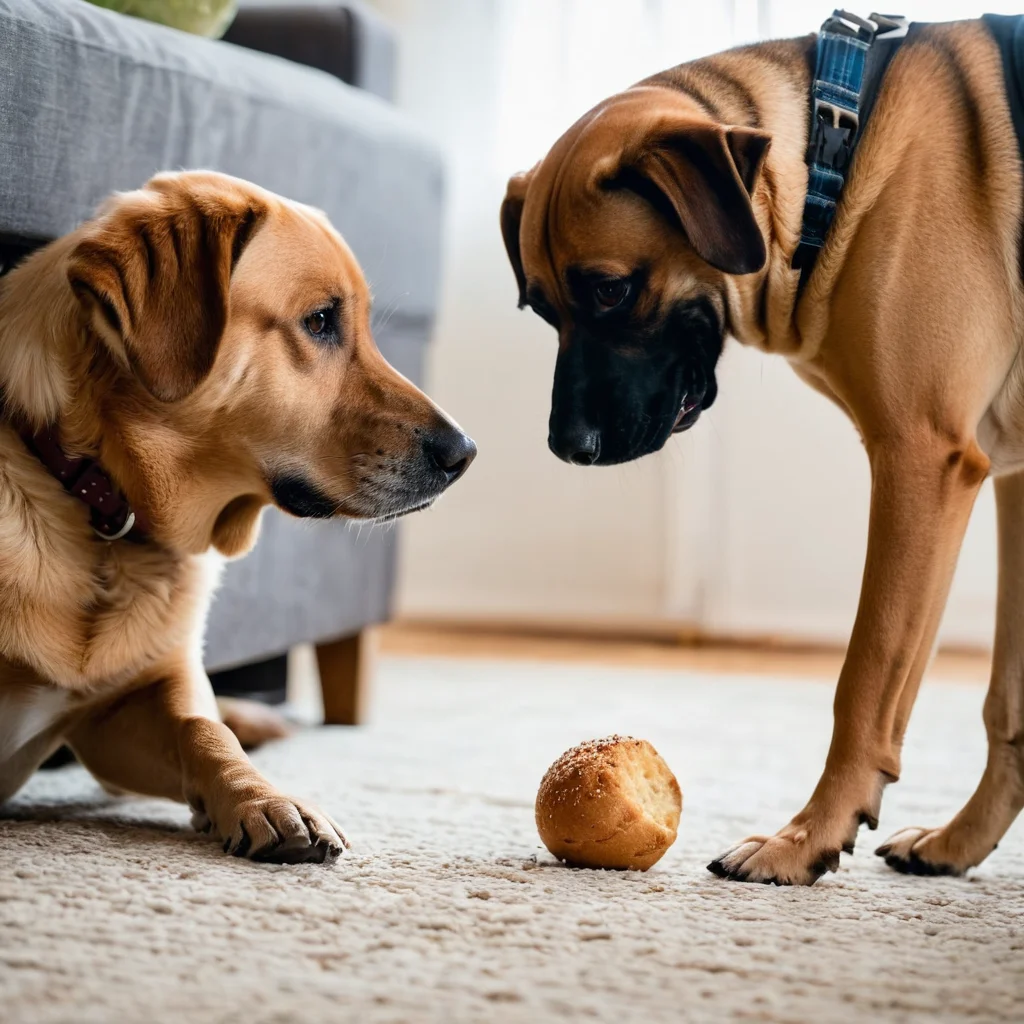

Pica is when a dog or cat eats things that shouldn't be eaten: rocks, socks, plastic, string, paper, soil, poop, carpet, fabric. In a puppy, doing it once or twice is normal exploration; in an adult, doing it constantly is a behavior problem and a life-threatening danger (intestinal blockage, poisoning). Causes include nutritional deficiencies, boredom, anxiety and GI problems. In this post, we take a detailed look at the treatment protocol for pica.
1. What Is Pica?
- A behavior of constantly eating things with no nutritional value.
- In dogs, 1-3% of adults and 30%+ of puppies (normal).
- Less common in cats, but Siamese and Burmese are prone to it.
- A high risk to life (swallowing, blockage, poisoning).
2. Common Pica Items
- In dogs: Socks, rocks, plastic, paper, fabric, carpet, manure, poop (coprophagia).
- In cats: Wool, fabric, plastic, string, rubber, paper, soil.
- Borderline case: Eating grass (moderately common, usually not a problem).
3. Causes: Medical
- GI problems: Nausea, parasites, malabsorption.
- Nutritional deficiency: Lack of minerals, vitamins or fiber.
- Anemia: Iron deficiency (eating soil, called geophagia).
- Endocrine: Diabetes, Cushing's, hyperthyroidism (cats).
- Brain tumor or neurological causes.
- EPI (exocrine pancreatic insufficiency): Food that can't be digested leads to hunger.
4. Causes: Behavioral
- Boredom: Not enough stimulation.
- Anxiety: A way to soothe stress.
- Early weaning: The suckling instinct.
- Reinforcement from the owner: Giving attention.
- Portions too small: Hunger leads the pet to choose non-food items.
- A history of hunger: Shelter or street dogs.
5. Coprophagia (Eating Poop)
A special category of pica: dogs eating poop.
- Their own poop or another dog's poop.
- Normal in 15-25% of puppies: exploration.
- Repeated in adults: a problem.
- Causes: malabsorption, boredom, imitating the mother.
- Treatment: Clean up poop quickly, add something to the food (For-Bid, pineapple), enrichment.
6. The Diagnostic Process
- Vet exam plus complete blood count and biochemistry.
- Stool test (parasites, blood).
- Urinalysis.
- Abdominal X-ray (foreign body).
- Nutrition assessment (food type, portion).
- A veterinary behaviorist (after medical causes are ruled out).
7. Medical Treatment
- GI problem: specific treatment.
- Parasites: medication.
- Anemia: iron supplements and treatment of the cause.
- EPI: enzyme supplements.
- Endocrine: specific treatment.
8. Behavioral Treatment
- "Leave it" and "No" commands: Teach them from puppyhood.
- High-value rewards: Accepting a treat instead of the pica item earns a reward.
- Redirection: Offer a chew toy.
- Enrichment: Puzzle feeders, sniffing games, exercise.
- Reducing boredom: 2-3 play sessions a day.
- Muzzle: On walks, in severe cases.
9. Managing the Environment (Vital)
- Remove pica items from reach.
- Keep socks locked in a closet.
- Pick children's toys up off the floor.
- Use a trash can with a lid.
- Check the yard for rocks and plants.
- Clean up other animals' poop quickly.
- Never let your dog out of your sight.
10. Emergency Signs (Blockage)
If a pica item has been swallowed, these are emergency signs:
- Constant vomiting.
- Loss of appetite.
- Abdominal pain (the dog takes a "prayer position").
- Lethargy.
- Not pooping.
- Vomiting blood.
- = EMERGENCY VET (surgery may be needed).
Pica is a common and life-threatening behavior problem. The solution is the formula of ruling out medical causes, behavioral treatment, managing the environment and enrichment. A puppy "eats whatever it finds," so constant supervision is needed. With early intervention, managing the environment is enough; with late intervention, there's the cost of surgery and a risk to life. In the DoldurKabı app, you'll find vet clinics experienced in behavior and internal medicine on a map.









