


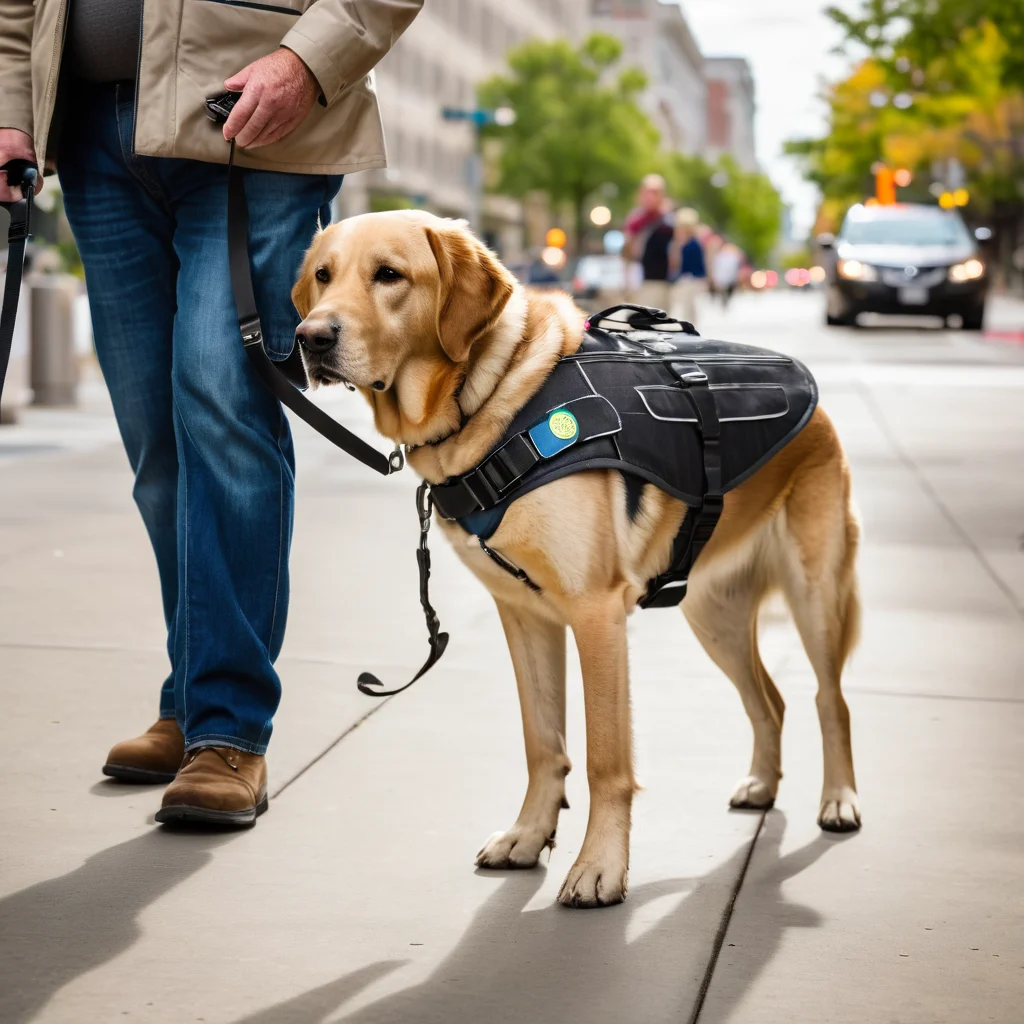

Service dogs help people with visual or hearing impairments, autism, epilepsy and diabetes. Guide dogs, hearing dogs and alert dogs each differ. Training takes 2 years, there are legal rights (access to public places), and the field is developing in Türkiye. A life-changing partner: not a pet, but a working dog. In this post, we take a detailed look at service dogs.
1. What Is a Service Dog?
- A dog trained for a disabled person's specific needs.
- NOT a "pet": a working partner.
- Constantly on duty to help its owner.
- Legal protection (the right to enter public places).
- 2+ years of intensive training.
- Adapted to the individual owner's needs.
- ADA (US) legal definition; Türkiye is still developing its framework.
2. Types
- Guide dog: For people with visual impairments. Crossing traffic, warning about obstacles.
- Hearing dog: For people with hearing impairments. Alerts to sounds (door, alarm).
- Mobility assistance: For wheelchair users and balance. Fetching items, opening doors.
- Diabetic alert: Detects low blood sugar and alerts.
- Seizure response: Help before and after an epileptic seizure.
- Autism support: Social support and safety for autistic children and adults.
- PTSD service dog: Help with post-traumatic stress (interrupting anxiety, protection).
3. Suitable Breeds
- Excellent: Labrador, Golden Retriever, German Shepherd, Poodle.
- Good: Lab and Golden mix (Goldador), Boxer (for some tasks).
- Specific: Belgian Malinois (PTSD), Collie (autism).
- Temperament and health are critical.
- Genetic testing and screening.
- Breeding programs (US-based).
4. The Training Process
- At 8 weeks, the puppy is raised by a family (puppy raiser).
- Full socialization through age 1.
- After a temperament test, the dog goes to a training center.
- 6-12 months of basic service training.
- 6-12 months of the owner and dog training together.
- 2-2.5 years in total.
- Price: 30,000-150,000 USD (US).
- Nonprofits often provide the dog free or at low cost to the owner.
5. Developments in Türkiye
- Training centers are limited (their number is growing).
- Nonprofits such as "Bilinçli Patiler" are active.
- Pati Patileri Derneği works with guide dogs.
- Pilot programs backed by TÜBİTAK (Türkiye's national science and research council).
- Legal regulation is developing.
- A legal right of access to public places for disabled people exists.
- Numbers are limited (hundreds, versus thousands in the US).
- Breeder and training capacity is growing.
6. The Process of Getting One
- A disability report (from a doctor).
- Apply to a nonprofit or training center.
- A waiting list of 1-3 years.
- An assessment of temperament and fit with your needs.
- Dog training plus owner training.
- Testing and adjustments in the first year.
- Regular refreshers and support.
- A disabled person and their partner dog share a deep bond.
7. Legal Rights (Türkiye)
- Disabled people with service dogs can enter public places.
- Including restaurants, markets and transportation.
- Accepted at hotels and on vacation.
- Some rules differ for planes and trains.
- An exception to apartment pet bans.
- Legal proof: an ID card and a certificate.
- Public awareness is limited, so constant explaining is needed.
8. Working Mode vs Pet Mode
- A vest and harness signal "I'm working."
- People are NOT allowed to touch or approach.
- Treating it like a pet can put a life in danger.
- Focus on the owner: the owner depends on it.
- At home, the vest comes off and it's pet time.
- Play, affection and rest.
- A balance of work and rest.
- An overtired dog makes mistakes.
9. Care and Costs
- Yearly vet checkups and vaccines.
- Premium-quality food.
- Grooming and care.
- Ongoing training (weekly sessions).
- Support from nonprofits and the community.
- Yearly cost of 20,000-40,000 Turkish lira (Türkiye).
- Most are nonprofit-supported, free or at low cost.
- A meaningful responsibility for the owner.
10. End of Life
- Service dogs retire at 8-12 years.
- They usually stay with the owner as a member of the family.
- The owner gets a new dog.
- The old dog lives as a pet in retirement.
- A grieving process: the bond runs deep.
- Owner and dog are life partners.
- Ongoing nonprofit support.
Service dogs: the formula of help with a specific disability, 2 years of training, legal rights, growth in Türkiye and a deep partnership. Not a pet, but a working dog. It completely changes the owner's life, bringing independence, safety and social participation. Training infrastructure in Türkiye is developing. In the DoldurKabı app, you'll find a list of service dog nonprofits and training centers on a map.









