
In winter, a dog slips out the door and spends the night outside. A cat can't find shelter while the snow falls. On your morning walk, you see a puppy shivering under a car. In moments like these, you may be facing an animal whose body can't hold on to its heat.
Hypothermia means body temperature dropping below normal. Frostbite is tissue damage in the extremities exposed to the cold, meaning the ear tips, tail and paws. Both need to be assessed by a veterinarian. This post explains what to look for until then, and what not to do.
Who is most at risk?
Cold doesn't affect every animal the same way. The risk goes up in these situations:
- A wet coat. Wet fur can't insulate, so heat is lost much faster.
- Small breeds, short-haired animals and hairless cats.
- Puppies, kittens and senior pets.
- Animals that are thin, sick or have a chronic condition.
- Animals staying still in a place exposed to the wind.
- Indoor pets that aren't used to the cold and get out and stay outside.
Signs of hypothermia
Symptoms usually progress in stages. At first the animal shivers, looks for a warm spot, lies curled up and moves more slowly. The gums may turn pale. At this stage the animal still responds to its surroundings.
As things get worse, shivering may lessen and even stop. This doesn't mean the animal has warmed up; it can be a sign that the body can no longer produce heat by shivering. The animal looks lethargic, dazed or unresponsive, its muscles stiffen and its breathing slows. This is an emergency.
- Intense shivering, or shivering that suddenly stops.
- Weakness, confusion, not responding.
- Cold ears, paws and body.
- Pale or bluish gums.
- Slow, shallow breathing.
Signs of frostbite
Frostbite often goes unnoticed at first because it is hidden under the fur. The ear tips, the tip of the tail, the paw pads and the spaces between the toes are the first places affected by cold. Areas with little fur, like the belly, are on this list too. Early on, the skin looks pale, grayish or bluish and feels cold and hard to the touch.
As the area warms up, redness, swelling and pain may follow. The animal reacts when the area is touched or licks it constantly. How badly the damaged tissue has been affected sometimes becomes clear only over several days; the skin may darken or scab. That's why a frostbitten area that looks fine on the first day still needs to be followed by a veterinarian.
First steps: until you reach the vet
These steps are not treatment; they are meant to keep the animal's condition from getting worse until you get it to a veterinarian.
- Get it out of the cold. Move the animal to a warm place out of the wind. That could be a car, a building entrance or indoors.
- Dry it. If it is wet, pat it dry with a towel. A wet coat prevents warming.
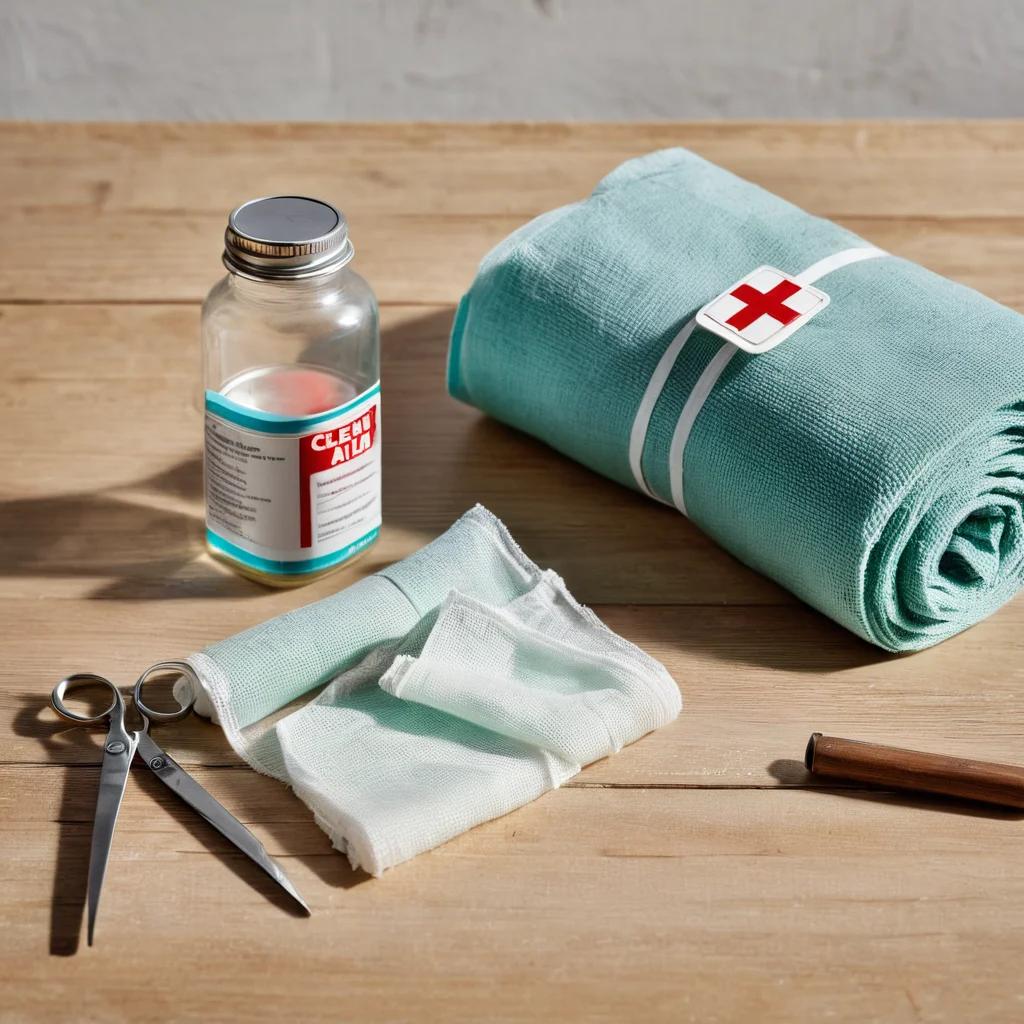
- Wrap it. Wrap it in a dry blanket or towel. Focus on warming the core first, meaning the chest and belly.
- Use indirect heat. You can wrap a bottle filled with warm water in a towel and place it next to the animal. Don't let it touch the skin directly.
- Call the veterinarian. Calling on your way to let them know you are coming lets them prepare.
What not to do
- Don't rub or massage the frostbitten area. The damaged tissue can be harmed further.
- Don't try to warm the animal quickly with hot water, a hot hair dryer, a heater or by putting it right next to a stove. There is a risk of burns and sudden changes in circulation.
- Don't lay an electric blanket directly under the animal; the heat is hard to control and the animal can't move away.
- Don't force water or food on an animal that isn't fully conscious. There is a risk of choking.
- Don't give painkillers from your medicine cabinet. Human medications carry serious risks for animals.
- Don't skip the vet just because the animal has started to warm up. The internal organs and frostbitten areas still need to be assessed.
To find a place that is open at night or on the weekend, you can use the emergency vet page. The emergency page, which shows open vets and shelters near you together, also saves time.
On the way to the vet
If you are taking the animal by car or taxi, warm up the inside first, but don't point the heater straight at the animal. Carry the animal in your lap with its blanket or in a carrier, and keep its movement limited. If it isn't fully conscious, keep its head gently level with its body and check around its mouth.
On the way, be ready to give the veterinarian this information:
- How long the animal was in the cold, if you know.
- Whether it was wet, and where it was found.
- The signs you noticed and when they started.
- What you did at home: did you dry it, how did you warm it?
- If it's your own pet, any known conditions and medications it takes.
This information helps the vet decide faster. Even a short note on your phone is enough so you don't forget in a panic.
An animal you find on the street
You may want to help a stray animal shivering in the cold. Be careful as you approach: an animal that is chilled, in pain or scared may bite and scratch. Gently wrap it in a thick towel or coat, and put cats in a box with air holes or a carrier. Protect yourself too; if you are bitten or scratched, check with a health care provider about that as well.
If the animal you found has a collar or tag, its owner may be looking for it. Having a vet scan for a microchip and checking local listings in the lost pets section can help it get home faster.
The days after the animal warms up
Even after you come back from the vet, you may need to watch your pet closely for a few days. It may be uncomfortable when areas with suspected frostbite are touched, and may want to lick them. If the vet recommended a protective collar or a dressing, use it regularly. If color changes, discharge, a bad smell or swelling in the area get worse, don't wait for the follow-up appointment. Also keep track of your pet's appetite, water intake and bathroom habits; changes in these show how recovery is going.
Prevention is easier than warming up
For your own pet, a few habits remove most of this risk. On cold, windy days, shorten walks, use a suitable coat on small and short-haired dogs, and dry them as soon as you get home if they got wet. Don't let cats out in snow and freezing cold. Watch out for escapes at the door and on the balcony; an indoor pet isn't prepared to spend a night outside.
Frequently Asked Questions
My dog shivers on walks. Is it hypothermia?
Brief shivering can be a normal reaction to cold; it stops once the dog warms up. If the shivering continues after you get home, or the dog is lethargic or its gums are pale, talk to your veterinarian.
Can an animal with hypothermia fully recover at home?
A mild chill can pass with warming at home. But if there is weakness, confusion, shivering that has stopped or suspected frostbite, warming at home is not enough; a veterinarian needs to assess the animal.
Will a frostbitten ear tip heal on its own?
Mildly affected tissue can heal, but the extent of the damage may only show up over several days. That's why the area needs to be checked by a veterinarian even if it looks fine in the first few days.
My cat got locked out on the balcony in winter. What should I look for?
First bring it into a warm room, dry it if it's wet, and check its ear tips and paws. If the shivering stops quickly and the cat eats and behaves normally, watch it closely. If there is weakness, a color change in the paws or pain when touched, talk to your veterinarian.