
A sudden scratch while petting a cat on the street, a quick bite as you walk past an unleashed dog, a hand caught in the middle while trying to break up a fight... These encounters happen more often than you might think, and the first reaction is usually the same: rinse the wound briefly, press a tissue on it, then carry on with the rest of the day.
But every bite that breaks the skin and every deep scratch that bleeds is an incident that needs to be looked at under two separate headings. The first is wound infection, the second is rabies risk. Neither is in proportion to the size of the wound; even a tiny puncture calls for the same assessment.
World Rabies Day, marked every year on September 28, exists to remind us of exactly this. Rabies is a disease whose course cannot be reversed once symptoms appear; on the other hand, when the steps needed after exposure are taken in time, the picture changes completely. In other words, what matters is not the depth of the bite but the steps you take in the first hours.
Below we walk through the first 24 hours after a bite or scratch in order: cleaning the wound, getting to a health facility, keeping track of the animal and making an official report. Let's be clear from the start: nothing here replaces a medical exam. The medical decision belongs to the doctor who sees you; this article only helps you walk through that door better prepared.
The first minutes: washing the wound
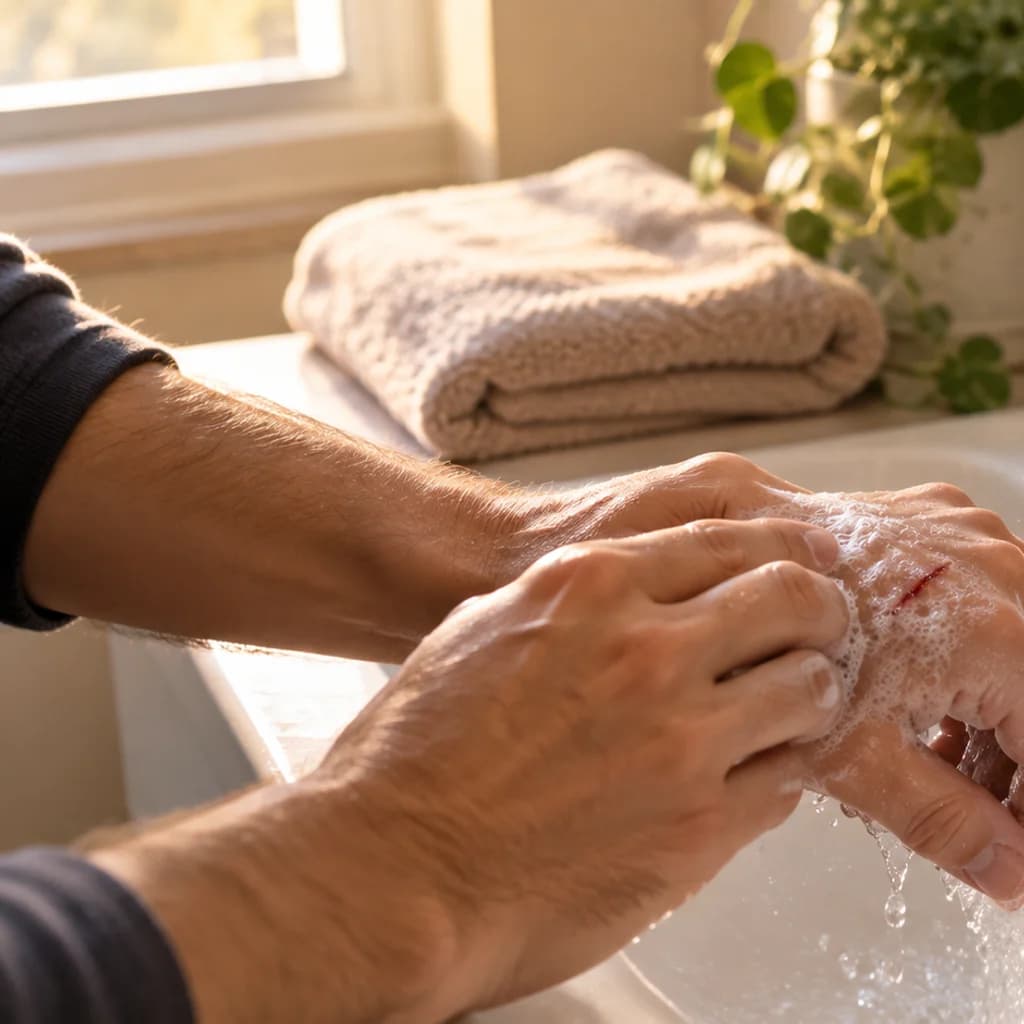
The first step after exposure is washing the wound with running water and soap. The critical detail here is time: a rinse of a few seconds is not enough, and washing for several minutes is recommended. It also matters that the water is running; washing in water collected in a bowl does not have the same effect.
- Hold the wound under running water and use plenty of soap. Don't rush.
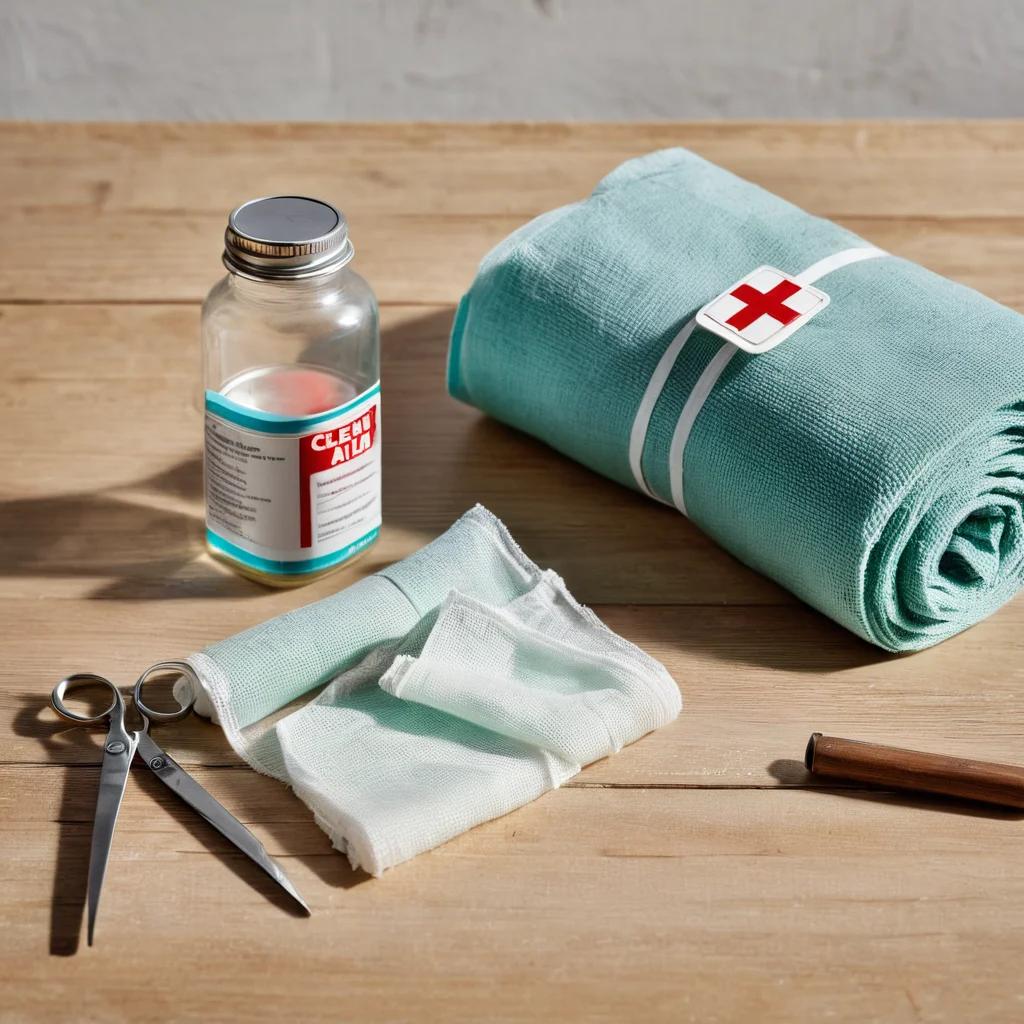
- If it is bleeding, apply light pressure with a clean cloth; don't try to seal the wound tightly to stop the bleeding completely.
- Don't squeeze the wound to "push out the dirty blood" or try similar methods, as this can increase tissue damage.
- Don't put cologne, toothpaste, ash, tomato paste or other home remedies on it.
- Decisions such as whether to tape the wound closed or whether it needs stitches belong to the doctor; just cover it with a clean cloth and head out.
Don't put off getting medical care
After washing, the next job is to go to a health facility the same day. Waiting because "it didn't bleed", "there's only a tooth mark" or "the animal had an owner" is a common mistake. The person who will assess the risk is the doctor who examines you, and that assessment depends on the type and location of the exposure.
When you go, things move faster if you can share the following:
- The date, time and approximate location of the incident
- The type of animal, and whether it is owned or a stray
- The type of contact: a bite, a scratch or a lick, and whether the skin was broken
- The animal's behavior at the time: was it startled, defensive, restless, or acting in any unusual way
- Information about the animal's vaccination status if known, and the owner's contact details if there is one
- Your own tetanus vaccination history
If the doctor finds it necessary, they will start preventive treatment after exposure. This treatment follows a schedule, and completing the schedule is at least as important as starting it. If you think you may miss one of the appointments, call the facility and ask rather than deciding on your own.
Why does it matter to keep track of the animal that bit you?
When exposure is assessed, the animal's condition over the following days is one of the key pieces of information. That is why it helps not to lose track of the animal's identity and where it is.
If the animal has an owner, get in touch with them and ask to see its vaccination record. The owner may get nervous and try to leave; instead of arguing, calmly explaining that the incident needs to be on record usually gets results faster. If the animal is owned and may have gone missing, it may also be possible to reach the owner through lost pet listings.
If it is a stray, note down a description of the animal, any ear tag or collar, the spot where it usually stays and who in the neighborhood looks after it. A photo makes every later conversation easier.
One point needs emphasis here: harming the animal, driving it away or scaring it off makes tracking impossible and helps no one. An animal that can be observed is in the interest of both you and other people in the same area. If you noticed something clearly strange in the animal's behavior, report it; assessing the animal's condition is the veterinarian's job. You can find clinics in your area in our vet directory.
Official reporting: getting it on record
Bite incidents are not only a personal health matter; they also concern animal health monitoring in the area. That is why it is important for the incident to be recorded.
Which channel the report goes through can vary by location. The health facility you visit usually runs its own recording and reporting process; on top of that, the municipality's veterinary services unit and the Provincial Directorate of Agriculture and Forestry can give guidance on tracking the animal. The most practical approach is to ask directly during the exam: "Is there anything I need to do to report this incident?"
If the incident happened at a shelter, during volunteer work or with an animal you care for, let the relevant organization know as well. You can find general information about shelters on our shelter page.
The following days: watching the wound
The job isn't over once the first 24 hours have passed. Because of the bacteria in an animal's mouth, bites are wounds that are prone to infection, and wounds on the hands, fingers, face or joints need closer follow-up.
If you notice any of these changes, go back without waiting:
- Redness spreading outward from around the wound
- Increasing pain, swelling, or noticeable warmth to the touch
- Discharge or a bad smell from the wound
- Fever, chills, general weakness
- Difficulty moving a finger or joint, or a feeling of numbness
If preventive treatment has been started, don't change the schedule on your own, and report anything that looks like a side effect to the facility.
Practical ways to avoid these encounters
Most stray animals prefer to avoid contact; a bite usually comes from fear, pain or feeling cornered. Recognizing risky moments makes avoiding them much easier.
- Don't approach an animal that is eating, drinking or guarding something like a bone.
- Leave a mother with young, and the area around her young, alone.
- Don't wake a sleeping animal suddenly or touch it from behind.
- Don't try to separate fighting animals with your hands; using noise, water or a barrier between them is safer.
- Ask for help before trying to carry an injured animal; an animal in pain may bite, even the calmest one.
- Teach children early that "not every animal wants to be petted"; hugging, pulling tails and getting face to face are among the most common causes of bites.
- If you meet an unfamiliar animal while walking your own dog, shorten the leash and change direction instead of shouting and running.
Knowing the behavioral tendencies of different species and breeds ahead of time also helps; the Pet Encyclopedia section can be a starting point. And if you are thinking of bringing an animal into your life, assessing behavioral fit from the start prevents many problems down the road; ask that question too when you browse adoption listings.
Frequently Asked Questions
Is a cat scratch assessed the same way as a bite?
Any contact that breaks the skin needs to be assessed. If a scratch bled or left a deep mark, follow the same path: wash it, go to a health facility, and leave the decision to the doctor. Skipping it because "it was just a scratch" is a common but risky choice.
I know the animal is vaccinated. Should I still get it checked?
Yes. Vaccination information is useful for the assessment, but on its own it doesn't make a visit unnecessary. Whether the record is up to date, whether the vaccine was given on time and the condition of the wound are all considered together. That assessment is made by the doctor.
Do I need to have the animal caught?
Don't make that decision yourself. The health facility you visit and the local authorities will determine during the process whether the animal should be placed under observation. What is expected of you is to be able to describe the animal and report where it is. Harming the animal or driving it away makes tracking harder.
If the wound is very small, should I still go?
Yes. The rabies assessment looks not at the depth of the wound but at the nature and location of the contact. Even a tooth mark that looks superficial may require a visit. Going and hearing "it wasn't necessary" is always a better outcome than not going and regretting it later.