


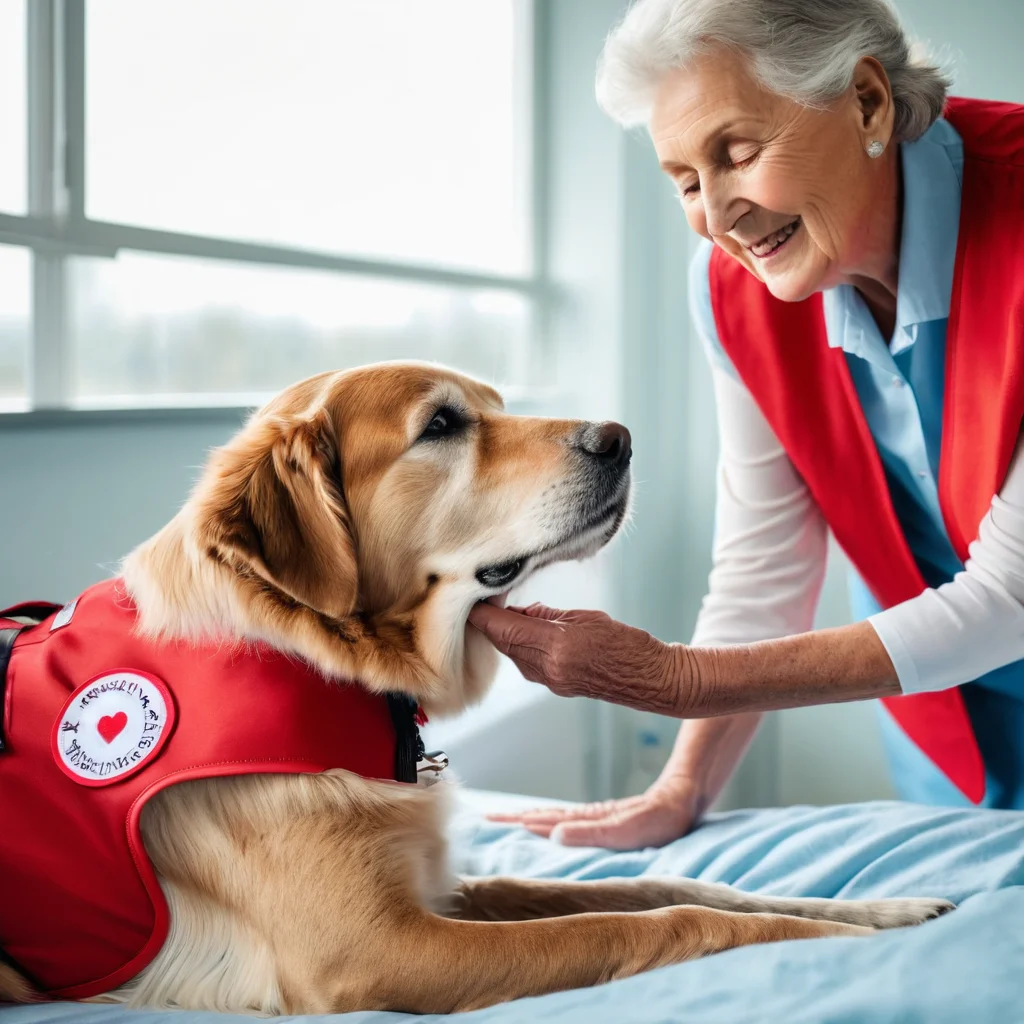

Therapy dogs are animals that visit hospitals, nursing homes and schools. They are not service dogs; the owner and pet provide social support together. Training stages, temperament assessment, certification and organizations in Türkiye. Shared volunteering for pet and owner, with a real social impact. In this article, we take a detailed look at therapy dog training.
1. What Is a Therapy Dog
- A dog that visits hospitals, nursing homes and schools.
- Volunteers together with its owner.
- Emotional support for patients, older adults and children.
- NOT a service dog: the law is different.
- Both dog and owner are certified.
- Animal-Assisted Therapy (AAT) is backed by science.
- Therapy Dogs International (TDI) was founded in 1976.
2. Service Dog vs. Therapy Dog
- Service Dog: Helps with the owner's disability (visual impairment, autism, diabetes). 2 years of specialized training. Legal access everywhere.
- Therapy Dog: Owner and dog visit together. Few legal rights. Volunteer service.
- ESA (Emotional Support Animal): Meets the owner's emotional needs. No training. Very few legal rights.
- Therapy dog = an "extra" role for the pet owner as the dog's handler.
3. The Right Temperament
- Calm and balanced.
- Open and gentle with strangers.
- Low arousal.
- Tolerates stress: noise, equipment, smells.
- Enjoys being touched by people.
- Respectful with children and older adults.
- Can resist being distracted by food.
- Low prey drive.
4. Suitable Breeds
- Excellent: Golden Retriever, Labrador, Bernese, Newfoundland.
- Very good: Poodle, Cavalier, Bichon Frise.
- Good: Spaniel, Setter, Lab + mixes.
- Character matters more than breed.
- Mixed breeds can be suitable (temperament test).
- Rescued street dogs can be suitable.
- Brachycephalic breeds raise breathing concerns.
5. Age and Health
- At least 1 year old (temperament maturity).
- Fully vaccinated (zoonotic diseases).
- Monthly parasite treatment.
- Clean internal and external health.
- Hygiene: bathing, nails, coat.
- Yearly vet checkup.
- A health certificate is required.
6. Training Stages
- Solid basic obedience (sit, stop, stay, come).
- Intensive socialization (people, children, noise).
- Learning to ignore food (at visit locations).
- Getting used to places and settings.
- Medical equipment and sounds (wheelchairs, crutches).
- Respect and gentleness with children and older adults.
- Testing and evaluation.
- Certification.
7. Certification in Türkiye
- Official certification in Türkiye is still developing.
- Some associations (stray animal and training associations) offer training.
- Active organizations in Istanbul and Ankara.
- Foreign certificates (TDI, ATD, AKC CGC) are accepted.
- Training takes 6-12 months.
- Cost: 5,000-25,000 Turkish lira.
- Yearly renewal.
8. Where They Work
- Hospitals (pediatrics, oncology, older patients).
- Nursing homes.
- Schools (private and public, reading programs).
- Rehabilitation centers.
- Hotel therapy and post-trauma support.
- Stress-relief days during university finals.
- Supporting child witnesses in court.
- Psychosocial support after natural disasters.
9. Benefits (Science)
- Stress hormone (cortisol) drops.
- Blood pressure improves.
- Happiness hormone (oxytocin) rises.
- Symptoms of depression decrease.
- Increases social interaction.
- Anxiety decreases.
- Children's reading and confidence grow.
- Older adults feel less lonely.
10. Volunteering as an Owner
- 1-3 hours of visits per week.
- A commitment to a regular schedule.
- A shared role for owner and dog.
- The training and certification process.
- Watching your pet's psychological state (no stress).
- Hygiene, health and respect.
- Social impact and a meaningful activity.
- For the pet, it is not "work" but a fun visit.
Therapy dogs in Türkiye follow a formula of the right temperament + 6-12 months of training + certification + social impact + owner volunteering. A volunteer role shared by pet and owner. A science-backed healing effect for patients, older adults and children. A growing field in Türkiye. In the DoldurKabı app, you can find therapy dog organizations and training centers on a map.









