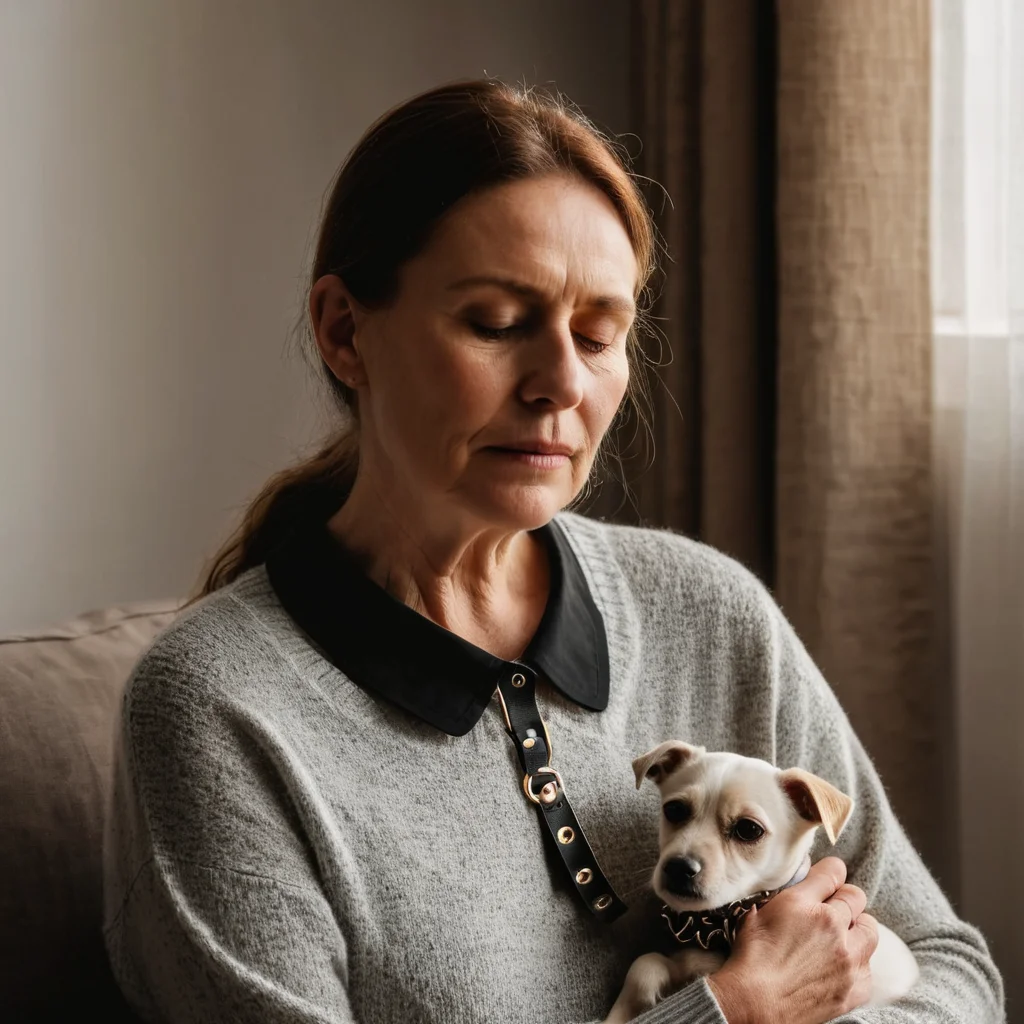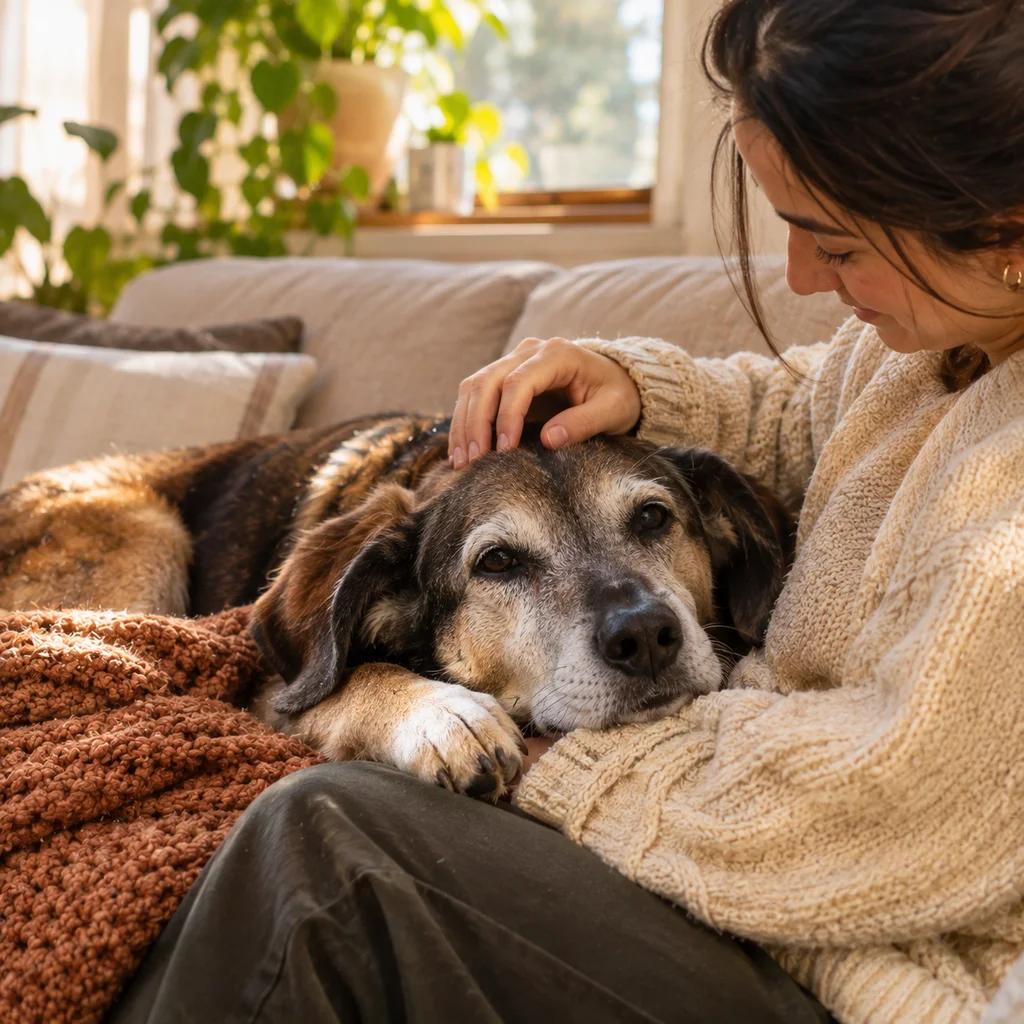

When most people look at adoption listings, their eyes go to the youngsters first. Tiny paws, huge eyes, energy full of play. Yet among those same listings are senior cats and dogs who spent years in a home and then, for various reasons, were left without one. They wait quietly for their turn, and sometimes that wait lasts a very long time.
In this article, we cover the joys of adopting a senior pet, the points to keep in mind and how you can set up a routine in the first weeks. Our goal isn't to convince you, but to help you see this option realistically.
What does "senior" mean?
For cats and dogs, old age starts at different times depending on the species and body size. Generally, the period after seven or eight years of age is called senior or mature. In large-breed dogs it can come earlier, and in small breeds and cats later. So an animal listed as "senior" often still has many years ahead to share with you.
What a mature friend brings home
Their personality is known
You can't know what kind of adult a puppy or kitten will become. A senior pet's personality, on the other hand, is settled. Calm or playful, a lap lover or not, how they are with children, whether they get along with other animals? You can find out by asking the person who posted the listing or the shelter staff. That makes it easier to choose a friend who fits your home life.
A calmer pace
Senior pets usually aren't as energetic as young ones. They left behind the phase of climbing curtains at midnight, chewing cables and trying everything long ago. For people who work, live a quiet life at home or are older themselves, this pace is often a better fit.
House habits are often already in place
A senior dog who has lived in a home before usually knows to do its business outside, and a cat usually knows how to use a litter box. There may be small hiccups while they settle into the new home, but you may not have to start training from scratch.
Giving a life a home again
Some senior pets lose their home because their owner passed away, moved or could no longer care for them. For an animal that was part of a family for years, this is a big upheaval. The feeling of opening a warm home to them again is something many owners talk about often.
Things to be realistic about
Health needs
As they age, issues such as dental problems, joint conditions, kidney or thyroid problems can come up more often. This doesn't mean every senior pet is sick, but regular vet checkups matter more than they do for a young animal. Before adopting, ask the poster whether there's a known illness, medication or special diet. If there is, you can ask for the health records.
The time you'll share
Adopting a senior pet has an emotional side too: the number of years you'll spend together is uncertain and probably fewer than you'd have with a puppy or kitten. Some people hesitate because of this. Others choose to focus less on the number of years and more on how the animal gets to spend them. Both are understandable views; what matters is making the decision knowing this.
Time and attention
Even if senior pets are calm, they may not like being left alone. Some are affected by changes in routine, and some need to relieve themselves more often. Take these into account when you plan your day.
Why do senior pets wait longer?
Many people who rehome animals say listings for senior pets stay open longer. Behind this there's often a bias: the idea that an older animal will get sick, won't adjust or won't bond. But every animal comes with its own story. When you read a listing, seeing age simply as information rather than a reason to rule an animal out keeps you from missing a wonderful match.
Questions to ask before adopting
When you talk with the poster or the shelter, asking these questions gives you clarity:
- How old is it, and why is it looking for a new home?
- Does it have a known health problem, and does it take regular medication?
- When were its vaccines, deworming and flea and tick treatments done?
- Is it spayed/neutered?
- Has it lived with children, other cats or dogs, and how did it react?
- What's its daily routine like: what does it eat, where does it sleep, what is it afraid of?
The first weeks at home
A senior pet may need a bit more time than a young one to get used to a new home. Especially if it lived in the same home for many years, the change can wear it out. These help in the first days:
- A quiet corner: Put its bed somewhere away from noise but where it can still see you.
- Non-slip floors: For animals whose joints struggle on hardwood or tile, a few non-slip rugs make a difference.
- Easy access: Consider a small step for a dog who wants to get on the couch or bed, and a low-sided litter box for a cat.
- Familiar things: If there's a blanket or toy from its old home, be sure to ask for it.
- A steady routine: Keep food, walk and sleep times as consistent as you can.
It's a good idea to plan a checkup with a veterinarian in the first week. You'll learn about its general condition and set up a follow-up routine suited to its age.
Small ways to bond with a senior friend
Bonding with senior pets often happens in quiet moments. Short, enjoyable walks instead of long runs, and sniffing games instead of chasing a ball, suit their pace better. Hiding a few pieces of food on the floor and letting them find them works their mind and links the time spent with you to something nice.
Regular brushing is also a good chance to grow closer. You take care of their coat and notice whether there's a new lump or a sensitive spot on their body. On cold days, a bed raised slightly off the floor and away from drafts is soothing for their joints. Within a few weeks, these small touches noticeably build the trust between you.
Who is it a good option for?
A senior pet can be a great match for people who live a quiet life at home, people who can't go on long walks, first-time adopters who want a friend whose personality is known and people who want to give an animal a peaceful old age. If you're not sure which species and personality suit you, the Find My Pet quiz can be a starting point.
If you have made up your mind, don't get stuck on the age filter when you browse adoption listings. If you see a muzzle with white hairs showing in a listing's photo, it's worth stopping to read.
Frequently Asked Questions
Will a senior pet bond with a new owner?
Yes, it will. Some may keep their distance in the first days, while others won't leave your side right away. With patience and a steady routine, most senior pets form a strong bond with their new family.
Is caring for senior pets very hard?
It depends on the animal. The daily care of a healthy senior pet isn't very different from that of a young one. Regular vet checkups, suitable nutrition and small changes around the home are usually enough.
I'm adopting for the first time. Is a senior pet right for me?
It can be. An animal with a known personality and settled house habits can be an easier start for first-time adopters than a puppy or kitten. Learning its health history and meeting a veterinarian early on are important.
What should I do if I don't know my adopted pet's age?
A veterinarian can estimate an approximate age by looking at the teeth, eyes, coat and overall body condition. This estimate helps you plan its diet and checkup routine.