


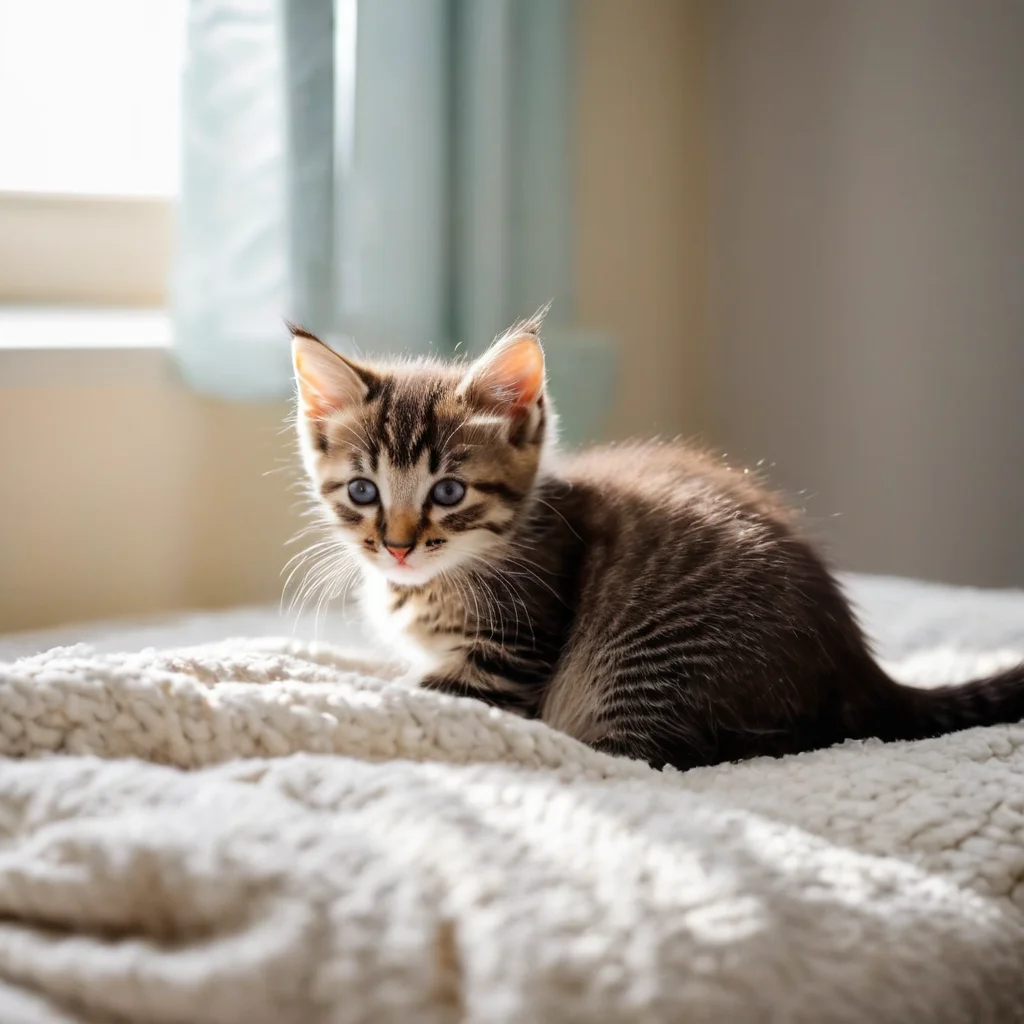

A kitten's daily routine is more flexible than a puppy's. Cats are independent animals, but a structured schedule is still critical for healthy development. Food, play, socialization, rest and litter box checks add up to a balanced day. In this article, we take a detailed look at a daily schedule for kittens from 8 weeks to 6 months.
1. What Kittens Need
- Feeding (4-6 meals for kittens).
- Litter box cleaning (2-3 times a day).
- Active play (5-7 sessions, 60-90 minutes total).
- Socialization (with the owner and other animals).
- Rest (16-20 hours in total).
- Grooming (brushing, nails).
2. Schedule for an 8-Week-Old Kitten
- 07:00: Owner wakes up, food and play (15 min).
- 08:00: Clean the litter box, nap time.
- 10:00: Play (10 min) and food.
- 11:00: Nap.
- 13:00: Play (15 min) and food.
- 14:00: Nap.
- 16:00: Play (20 min).
- 17:30: Food.
- 18:30: Socialization (time with the family).
- 20:30: Intense play session (20 min), because cats are crepuscular.
- 22:00: Food (for the night).
- 23:00: Sleep.
3. Schedule for a 3-6-Month-Old Kitten
- 07:00: Breakfast and play (15 min).
- 09:00: Nap.
- 12:00: Food and play (15 min).
- 13:00: Window watching/rest.
- 15:00: Play (20 min).
- 17:00: Food.
- 18:00: Socialization.
- 20:00: Intense play (20-30 min).
- 21:00: Food (for the night).
- 22:00: Calm play and grooming.
4. Crepuscular Activity (Dawn and Dusk)
- Cats are naturally active at dawn (06-09) and dusk (19-22).
- Intense play at these times → burns off energy.
- Early morning play = a steady midday nap.
- Intense evening play = a peaceful night's sleep for the owner.
- Racing around at 3 a.m. → not enough play in the evening.
5. Adjusting for Multi-Cat Homes
- Kitten and adult cat: a slow introduction.
- A separate room for the first week.
- Separate food, litter boxes and toys.
- Shared space after 3-4 weeks.
- Adopting two kittens together → great social companionship.
6. Mealtimes
- 2-4 months: 4-6 meals, small portions.
- 4-6 months: 4 meals.
- 6-12 months: 3 meals.
- 1+ years: 2 meals.
- A mix of wet and dry food.
- Leaving dry food "always out" is OK for some cats, but you lose portion control.
7. Litter Box Routine
- Scoop clumps and stool 2-3 times a day.
- If the kitten doesn't use the litter box reliably, see a vet.
- More than one box (multi-cat homes).
- Keep the location and type the same.
8. Time Alone
- Cats handle being alone more easily than dogs.
- A 4-6-month-old kitten is OK alone for 4-6 hours a day.
- An adult cat tolerates 8-10 hours a day.
- Alone for several days → a pet sitter or boarding.
- A second cat reduces loneliness.
9. Grooming Routine
- Brushing 1-2 times a week (daily for long-haired cats).
- Nail trimming every 2-3 weeks.
- Dental hygiene (every 2-3 days).
- Weekly ear checks.
- Get them used to it as kittens → no problems as adults.
10. Socialization Time
- The kitten has contact with every family member.
- Have different people give rewards (socialization).
- Guests and kids approach slowly.
- NEVER force the kitten into your lap.
- Let the kitten come at their own pace.
A kitten's daily routine that is flexible but consistent, with an awareness of crepuscular activity, supports healthy development. The balance of food, play, rest and socialization shapes adult cat behavior. In the DoldurKabı app, you can find vet clinics experienced in cat behavior on a map.









