


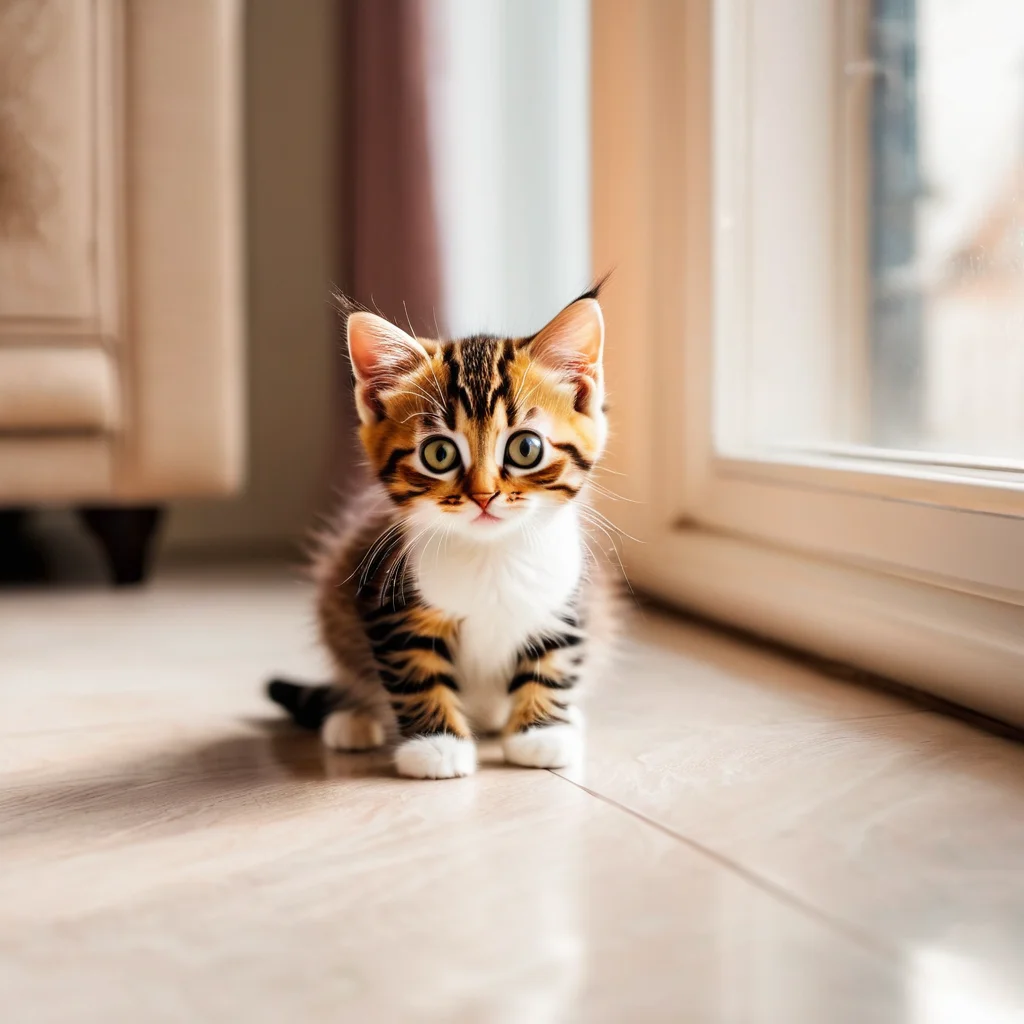

Kittens are adorable but delicate. The first 30 days are about building routine and trust: food, the litter box, socialization and the vaccine schedule.
Preparing Before They Come Home
- Kitten food (a kitten formula, not adult food)
- A low-sided litter box (easy to get in)
- Litter (unscented, fine-grained)
- A bed / hiding spot
- A scratching post
- Toys (for the hunting instinct)
- A water bowl (wide, in a separate spot)
- A vet appointment
Week 1: A Safe Space
- Start in a single room so they can get their bearings slowly
- A hiding spot is a must
- Food 4 meals a day
- Litter box close by
- Approach with a soft voice
- First vet visit (physical exam + parasite test)
Week 2: Opening Up Step by Step
- Controlled access to other rooms
- First vaccine (at 8-9 weeks of age)
- Playtime (2-3 × 10 min every day)
- Teaching their name (every time + a treat)
- Start gentle brushing
Week 3: Meeting Other Pets
- 2nd vaccine dose
- Scent introduction with the pet you already have (share a towel)
- Gradual face-to-face meetings
- Food 3-4 meals a day
- Using the scratching post
Week 4: Settling Into a Routine
- Access to the whole home
- A regular play and sleep routine
- Food 3 meals a day
- Keep the litter box clean (daily)
- Plan the 3rd vaccine
Vaccine Schedule
- 8-9 weeks: 1st combination vaccine (FVRCP)
- 11-12 weeks: 2nd combination vaccine + FeLV (if needed)
- 14-16 weeks: 3rd combination vaccine + rabies
- Yearly: full booster
Switching Food
Kittens switch to adult food at around 12 months. Switching earlier can mean missing calories and nutrients.
Emergency Signs
- Repeated vomiting + diarrhea
- Trouble breathing, open-mouth breathing
- Not eating + lethargy
- Unable to go to the bathroom
- Lying down far more than usual
Why Socialization Matters
Between 3 and 9 weeks is a critical period for contact with people, sounds and household objects. A cat that is not socialized enough during this time becomes fearful as an adult.
Common Mistakes
- Giving a kitten milk (lactose intolerance)
- Human food
- Holding and squeezing too much (their bones are delicate)
- Raw meat or raw chicken
- A leash and taking them outside (not until the right time)
FAQ
My kitten is hiding. Is that a problem? It is normal adjustment. Do not force it; be patient.
They are not using the litter box? Is it easy to get in? Is it clean? Is the litter type right?
They meow a lot? Your kitten is looking for their mother; it passes with love and trust.
Your kitten's health and vaccine schedule are in the DoldurKabı pet ID card system.









