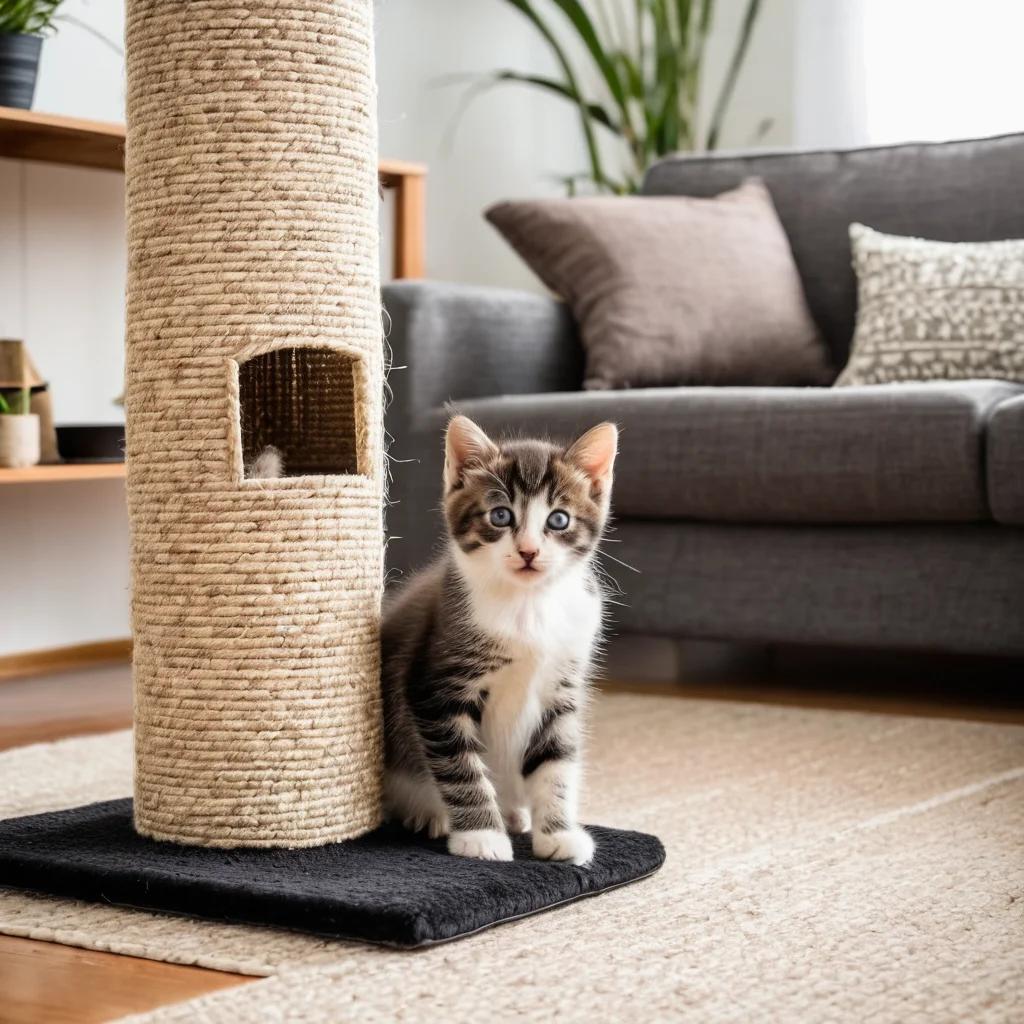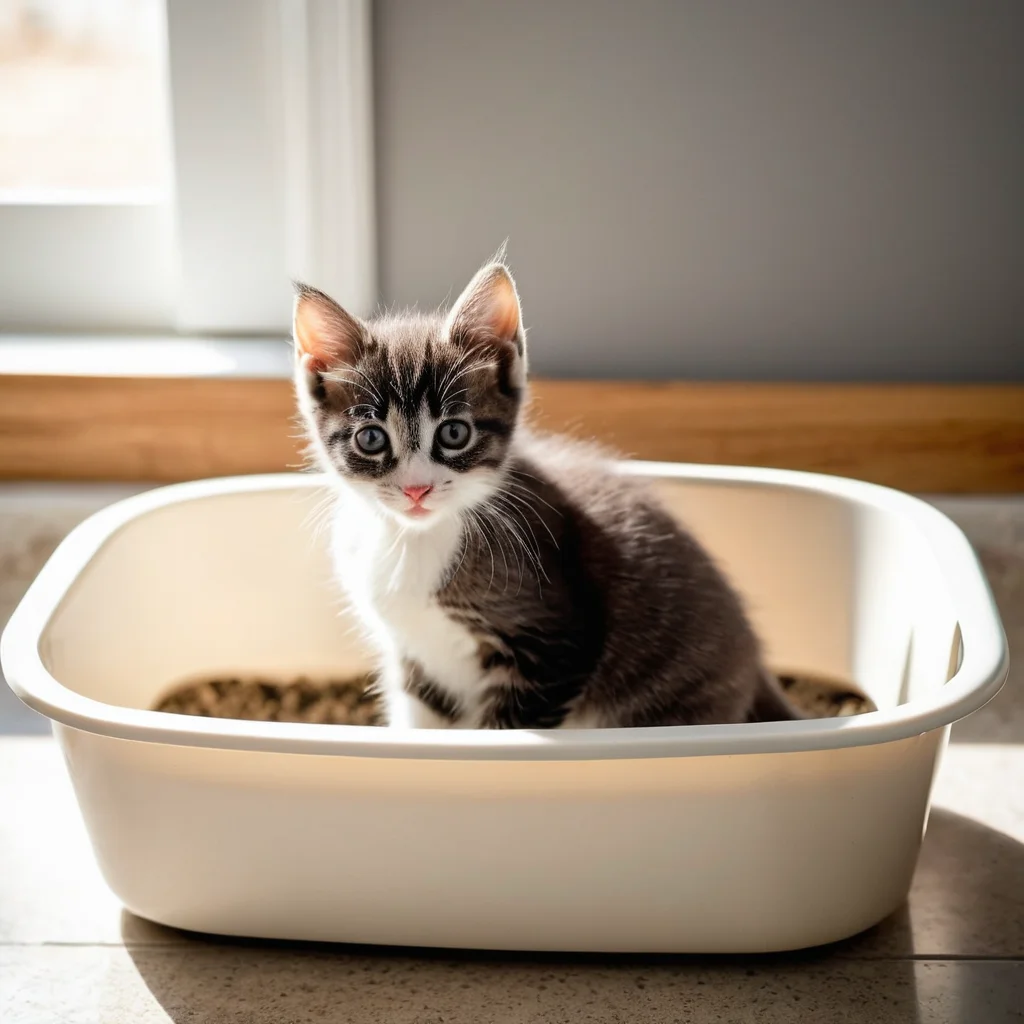

Litter box training a kitten is much easier than potty training a dog, because cats instinctively dig and cover. A mother cat teaches her kittens at 4-6 weeks. But if the owner does not set things up correctly, the kitten may go somewhere else. In this post, we look at litter box setup, a 7-day success plan and common mistakes.
1. A Cat's Potty Instinct
- They learn from their mother: digging and covering between 3 and 5 weeks.
- Fine-grained surfaces (sand, soil) are appealing.
- They look for a quiet, safe spot.
- They keep it away from food and water.
- A kitten weaned early (before 4 weeks) may not have fully learned.
2. Litter Box Setup
- Number: Number of cats + 1. One kitten → 2 boxes is ideal.
- Location: A quiet corner, away from food and water.
- Size: Low-sided for a kitten, large for an adult (body length × 1.5).
- Type:
- Open (uncovered): cats prefer it.
- Covered: controls odor, but some cats dislike it.
- Top entry: hard for kittens.
- Litter depth: 5-7 cm.
3. Choosing a Litter Type
- Non-clumping clay: The most common and cheapest, with a natural sand feel. It can be dusty.
- Clumping clay: Liquid forms clumps, so cleaning is easy.
- Silica crystals: Highly absorbent, pricey, low odor.
- Natural (bamboo, corn): Eco-friendly and compostable.
- Pine pellets: Natural scent and a very different texture; cats adjust in 1-2 weeks.
- For kittens, non-clumping litter is preferred, since there is less risk of intestinal blockage if they swallow it.
4. A 7-Day Training Plan
- Day 1: After bringing the kitten home, show them the litter box, place them in it and gently move a paw in a digging motion.
- Days 1-3: Take them to the litter box after meals, after waking up and every 1-2 hours.
- Days 1-7: If they use it, give a "good job" and a treat right away.
- Accidents: Clean up quietly with an enzyme cleaner (Nature's Miracle).
- Days 3-5: The kitten starts going on their own.
- Day 7: They use it automatically.
5. Common Mistakes
- Not enough litter boxes: Some kittens want separate boxes for urine and stool.
- Food and litter in the same room: Cats instinctively keep them apart.
- Cleaning too often: Hygiene matters, but a full change after every use is too much (they no longer recognize their scent).
- Not cleaning enough: Smelly litter → the cat goes elsewhere.
- Constantly changing litter type: The kitten gets confused, so pick one type and give it a try.
- High-sided box: The kitten cannot climb in.
- Noisy location: Next to the washing machine, the cat gets scared.
6. Litter Box Cleaning Routine
- Daily: Scoop out clumps and stool.
- Weekly: Replace half of the litter and top it up.
- Monthly: Do a full change, wash the box with soapy water and dry it. Keep a little of the old litter (as a scent cue).
- NO bleach or disinfectant: Cats reject the smell.
7. Reasons for Rejecting the Litter Box
- Medical:
- UTI (urinary tract infection): painful urination.
- FLUTD.
- Kidney disease.
- Constipation.
- First step: a vet check.
- Behavioral:
- The litter is dirty.
- They dislike the litter type.
- The location is stressful.
- Competition between multiple cats.
- Stress (a move, a new pet).
- Spraying (spaying/neutering).
8. Spraying: A Separate Issue
- Horizontal vs vertical: going to the bathroom vs marking.
- Common in unneutered male cats.
- Spaying/neutering solves it in 85% of cases.
- Competition between multiple cats → Feliway pheromones.
- Get advice from your vet.
9. Handling Kitten Accidents
- Clean the accident spot with an ENZYME cleaner (water alone does not remove the scent).
- Put a food bowl in that spot (cats do not pee where they eat).
- Use a temporary barrier (move furniture, roll up rugs).
- Take the kitten to the litter box often.
- Never rub their nose in it or yell. Cats do not learn from punishment; they get scared.
10. Multi-Cat Homes
- One box per cat plus 1 extra.
- Spread them across different rooms.
- Place them so a dominant cat cannot block access.
- Some cats will not use another cat's box, so they prefer a clean one.
Litter box training a kitten: thanks to feline instinct, success in 7 days with the right setup. The formula of number, location, litter type and cleaning is essential. If accidents happen, rule out medical vs behavioral causes. In the DoldurKabı app, you can find vet clinics experienced with cat behavior on a map.