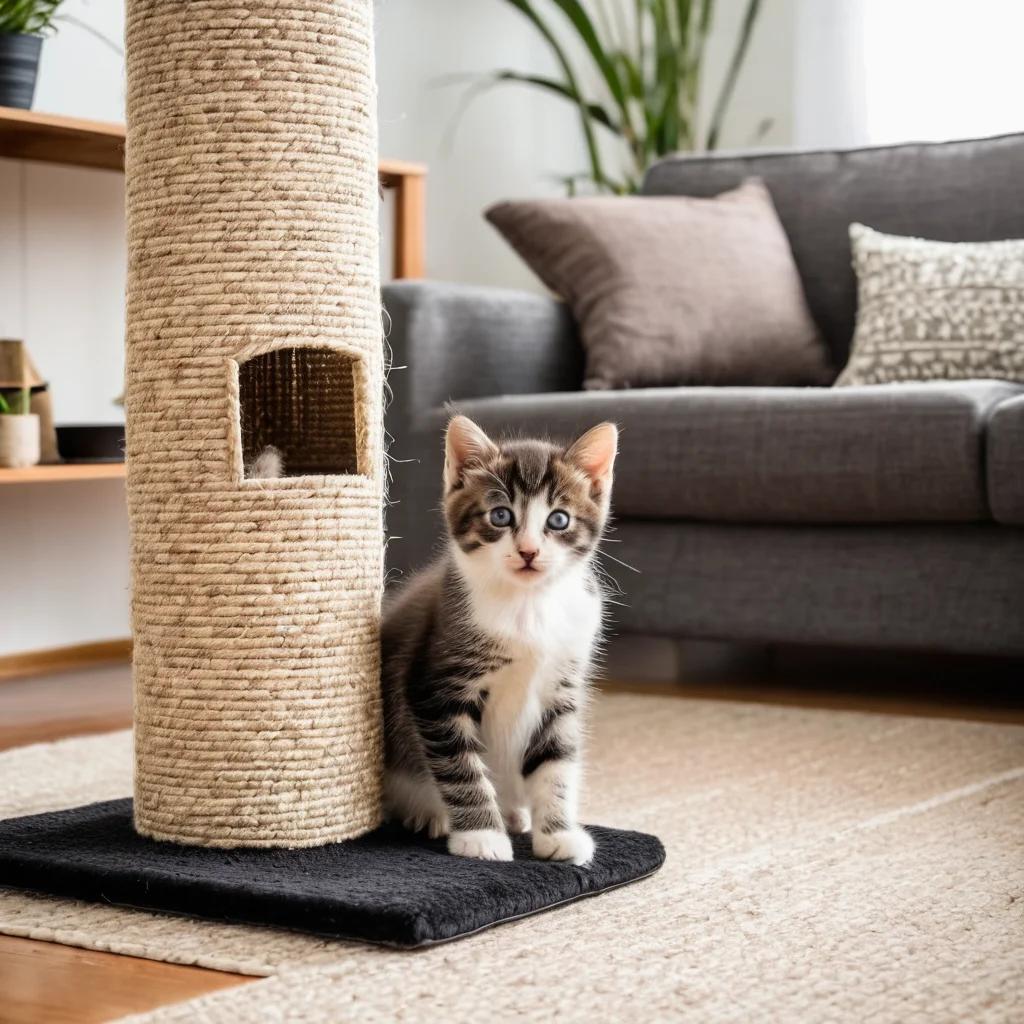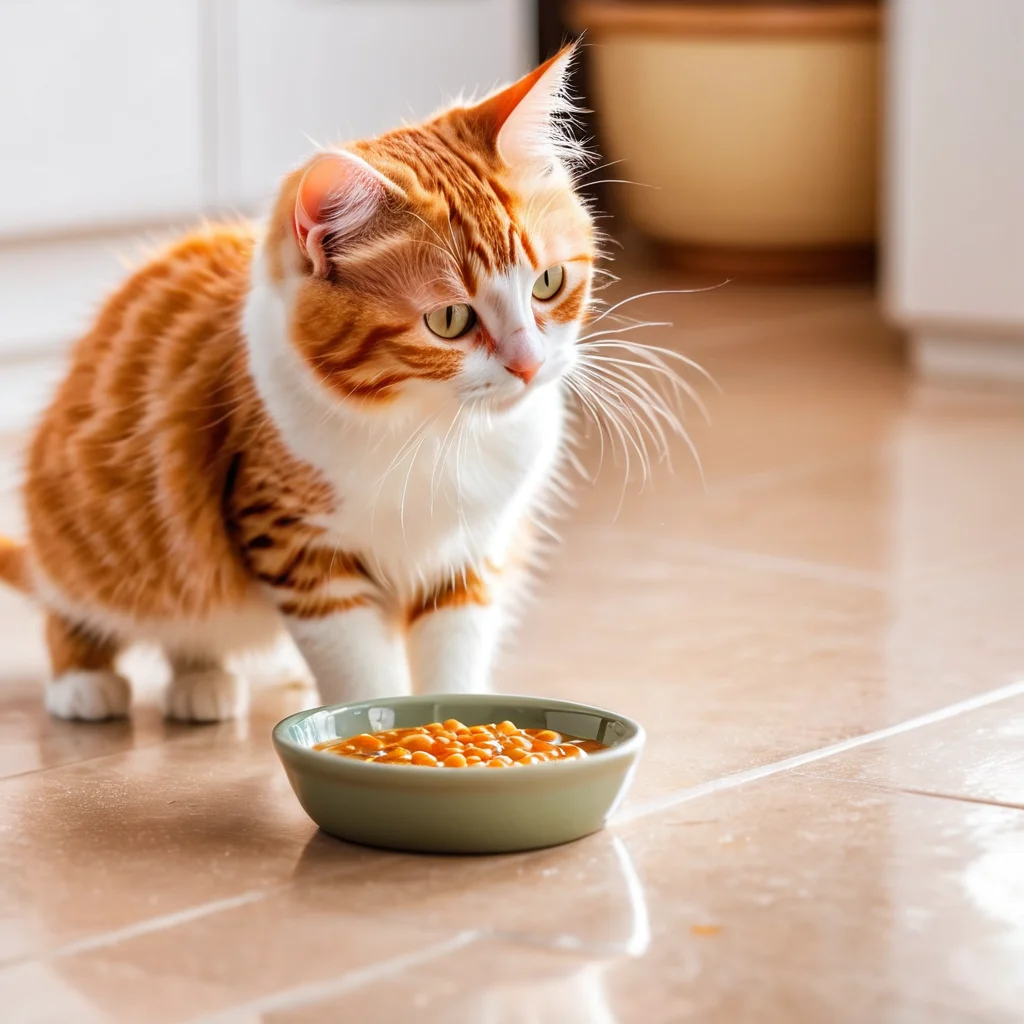

Kitten food transitions come in two important stages: from mother's milk to solid food (3-4 weeks) and from kitten food to adult food (12 months). The wrong transition = diarrhea, vomiting, growth problems.
Weaning (3-4 Weeks)
The kitten moves from mother's milk to solid food. This is the breeder's or rehomer's responsibility:
- 3 weeks: mashed kitten food plus a little water (a mushy consistency)
- 4 weeks: soft kitten food (wet, or dry softened with water)
- 6-8 weeks: a combination of dry and wet
- 8 weeks: fully solid food
Choosing Kitten Food
- A formula labeled "Kitten"
- High protein (30%+)
- High calorie (for growth)
- DHA (brain development)
- High-quality brands (Royal Canin Kitten, Hill's Kitten, Purina Pro Plan)
Mealtimes
- 2-3 months: 4 meals a day
- 4-6 months: 3-4 meals a day
- 6-12 months: 2-3 meals a day
- 12 months+: 2 meals (adult)
Switching to Adult Food (12 Months)
A kitten switches to adult formula at 12 months. Switching earlier = nutritional deficiency. Make the switch gradually over 7-10 days:
- Days 1-2: 75% kitten + 25% adult
- Days 3-4: 50% + 50%
- Days 5-6: 25% + 75%
- Day 7+: 100% adult
Large Breeds (Maine Coon)
Large breeds like the Maine Coon and Ragdoll keep growing until 18-24 months, so they stay on kitten food longer.
Access to Water
- More than one water bowl (critical for cats)
- A water fountain is preferred
- Away from the feeding spot
- A glass or ceramic bowl (avoid plastic)
Milk and Its Problems
- Cow's milk = lactose intolerance → diarrhea
- Kitten milk replacer (KMR): only this if there's no mother
- Milk NEVER replaces water
Human Food
- Chicken and fish for kittens (cooked, boneless) → OK in limited amounts
- Milk, cheese → NO
- Chocolate, onion → POISON
- Sweet, spicy, salty → NO
Tracking Kitten Weight
Weigh weekly to check for healthy kitten growth:
- 2 weeks: 200g
- 1 month: 400g
- 2 months: 800g-1kg
- 3 months: 1.2-1.5kg
- 6 months: 2.5-3kg
- 12 months: 3.5-5kg (depending on breed)
Feeding Problems
- Diarrhea → water and plain wet food; vet after 24 hours
- Vomiting and not eating → EMERGENCY VET
- Not gaining weight → vet checkup (parasites, nutrition problem)
- Overeating → portion control
FAQ
Kitten food vs adult food? Kitten: high protein and calories, DHA. Adult: maintenance.
BARF or raw meat? Not safe for kittens; don't feed it without a vet's prescription.
Two cats (adult and kitten)? Separate food. The kitten eats its own food, and the adult cat shouldn't eat the kitten food.
Track your kitten's nutrition and growth with the DoldurKabı pet ID card system.