


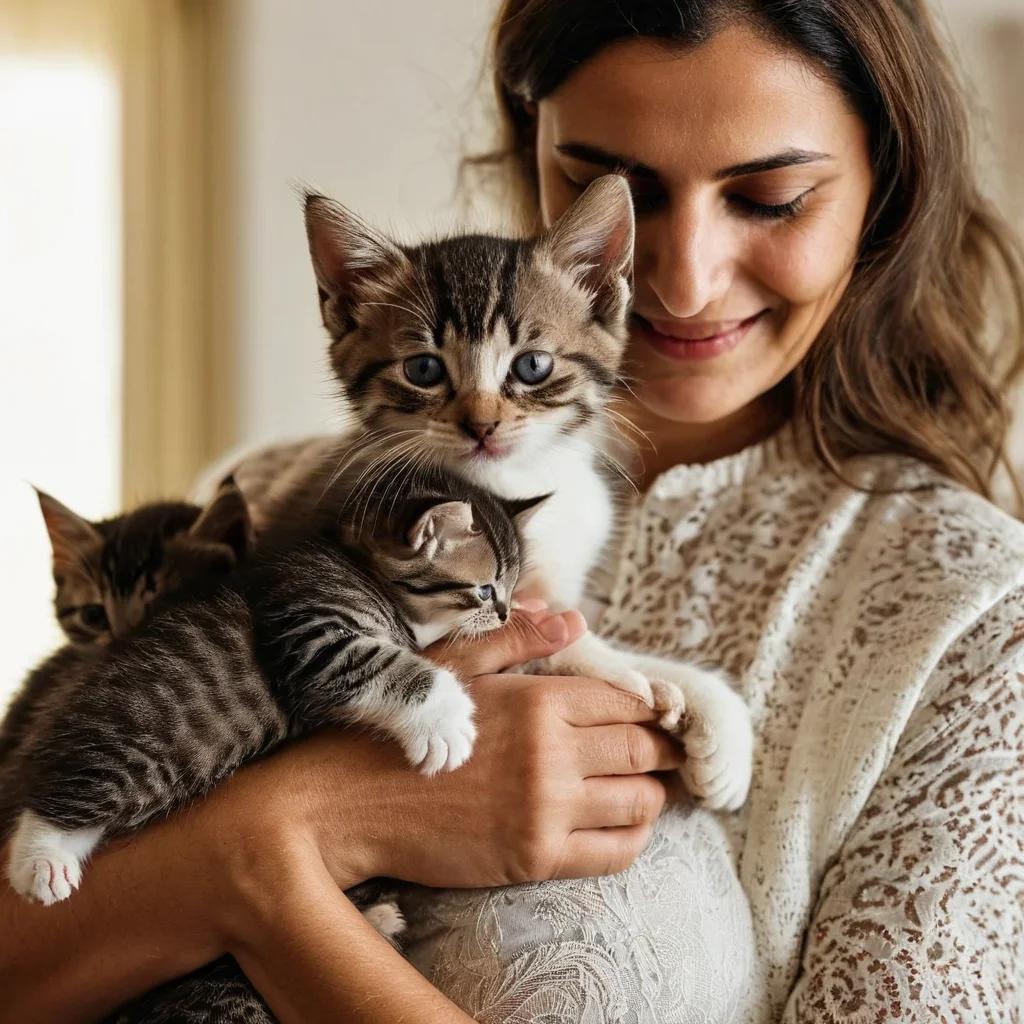

A kitten's socialization window is 2-7 weeks: much earlier and shorter than a dog's. If this short window closes, teaching a cat to be social later on is extremely hard. Cats born on the street stay "feral" if they have no human contact by 7 weeks. Whether a kitten received human contact during this window before adoption shapes its relationship with people for life.
1. The Cat Socialization Window in Detail
- 2-7 weeks: The primary socialization window (half as long as a dog's).
- After 7 weeks, new things are perceived as "dangerous".
- The most intense learning happens between 3 and 5 weeks.
- After 16 weeks, a feral cat is not fully social even if rehabilitated.
2. Street Cats vs. House Cats
- A kitten born on the street becomes feral without human contact between 4 and 6 weeks.
- A kitten born in a home: human contact provides natural socialization.
- Before adopting, ask about the kitten's "feline socialization" status.
- If a kitten is not fully socialized by 10+ weeks, rehabilitation is hard.
3. The Right Socialization Activities
What to expose a 2-7 week old kitten to:
- People: Men and women, adults and children (supervised), people with beards or hats.
- Other animals: Other cats, a sociable dog.
- Sounds: A vacuum, kitchen noise, a doorbell, music, a thunder recording.
- Settings: Different rooms, a balcony, a car (briefly).
- Handling: Paws, ears, a mouth check, brushing, a mock bath.
- Carrier: A positive association.
4. The Positive Exposure Technique
- Introduce the kitten to something new.
- Watch for a calm reaction.
- Reward right away (soft food, play).
- If there are signs of fear, INCREASE the distance.
- A positive association forms.
5. Signs of Fear (Cats)
- Fur standing on end.
- Ears turned sideways or back.
- Body low and tense.
- Puffed-up tail.
- Hissing, growling.
- Dilated pupils.
- Running away and hiding.
- These signs mean: more distance, time to calm down and a slower repeat.
6. Effects of Poor Socialization
- Hiding when people approach.
- Fear of guests.
- Panic at vet visits.
- Screaming during nail trimming and baths.
- Fear of or aggression toward children.
- Aggression toward other animals.
- A cat that is stressed for life.
7. When a New Kitten Comes Home (8+ Weeks)
Even if the socialization window has closed:
- The first week, a "safe room": one small room.
- The owner visits often and interacts calmly.
- Build closeness with food rewards.
- Forcing it into your lap is OFF LIMITS.
- In week 2, let it explore the house.
- Full adjustment in 3-4 weeks.
8. Children and Kittens
- The child should approach calmly.
- Fast movements and shrieking are OFF LIMITS.
- Don't chase the kitten; wait for it to come.
- Gentle pats and treats.
- Limit touching the tail, belly and paws.
- Adult supervision is a must.
9. Bonding Through Food
- Every family member takes part in feeding.
- The kitten forms the association "good things = this person".
- Treats from your hand (a bit of soft food, fresh chicken).
- Sit on the floor and don't reach out; let the kitten come to you.
- A "slow blink" means "all good" in cat language.
10. Rehabilitating a Street Kitten (8-16 Weeks)
- Don't rush when you rescue a feral kitten.
- Keep it isolated in one room for 2-3 weeks: only the owner, and quiet.
- Offer food from your hand slowly and calmly.
- Limited handling, always rewarded.
- After 2-3 months it may become a moderately social cat.
- It may never be fully social; accept that.
Kitten socialization: 2-7 weeks is a short but vital window. Human contact during this period shapes a cat's relationship with people for life. Before adopting, ask about the kitten's socialization. Rehabilitation later on is hard and limited. In the DoldurKabı app, you can find vet clinics experienced in cat behavior on a map.









