



Kitten Care Guide
Adopting a kitten is an exciting experience, but it also comes with responsibility. This guide covers everything you need to know to help your kitten grow up healthy.
Feeding
0-4 Weeks
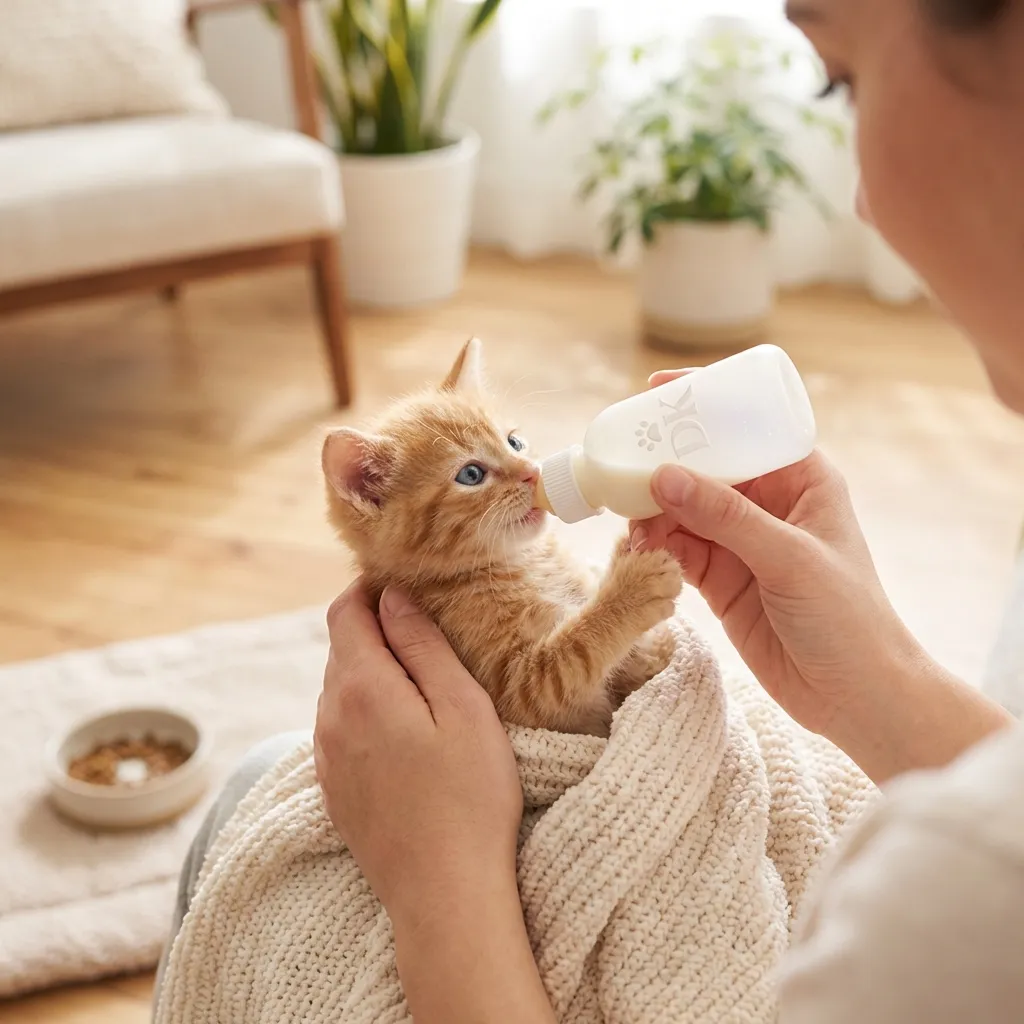
At this stage, kittens should be fed their mother's milk. For orphaned kittens, use a special kitten milk replacer. Never give cow's milk, because it causes digestive problems.
4-8 Weeks
This is the time to introduce kitten food. Start by mixing wet food with milk, then gradually make it thicker.
8 Weeks and Older
- Feed kitten food; adult food isn't suitable
- Feed 3-4 meals a day
- Clean water should always be available
- After 6 months, you can switch to 2 meals a day
Vaccine Schedule
| Age | Vaccine |
|---|---|
| 6-8 weeks | First combination vaccine (FVRCP) |
| 10-12 weeks | Second combination vaccine + Leukemia (FeLV) |
| 14-16 weeks | Third combination vaccine + Rabies |
| Yearly | Booster vaccines |
Litter Training
Cats are naturally clean animals, and litter training is usually easy:
- Choose a litter box with low sides
- Go for unscented, clumping litter
- Put the litter box in a quiet corner
- Keep it away from the food and water bowls
- Clean it at least once a day
Vet Checkups
- First week: General health check
- 6-8 weeks: First vaccine and parasite check
- 4-6 months: Assessment for spaying/neutering
- Yearly: Regular checkup
Things to Watch Out For
- Protect electrical cords
- Remove toxic plants (lilies, oleander, etc.)
- Kittens can swallow small objects, so be careful
- Prevent falls from high places









