


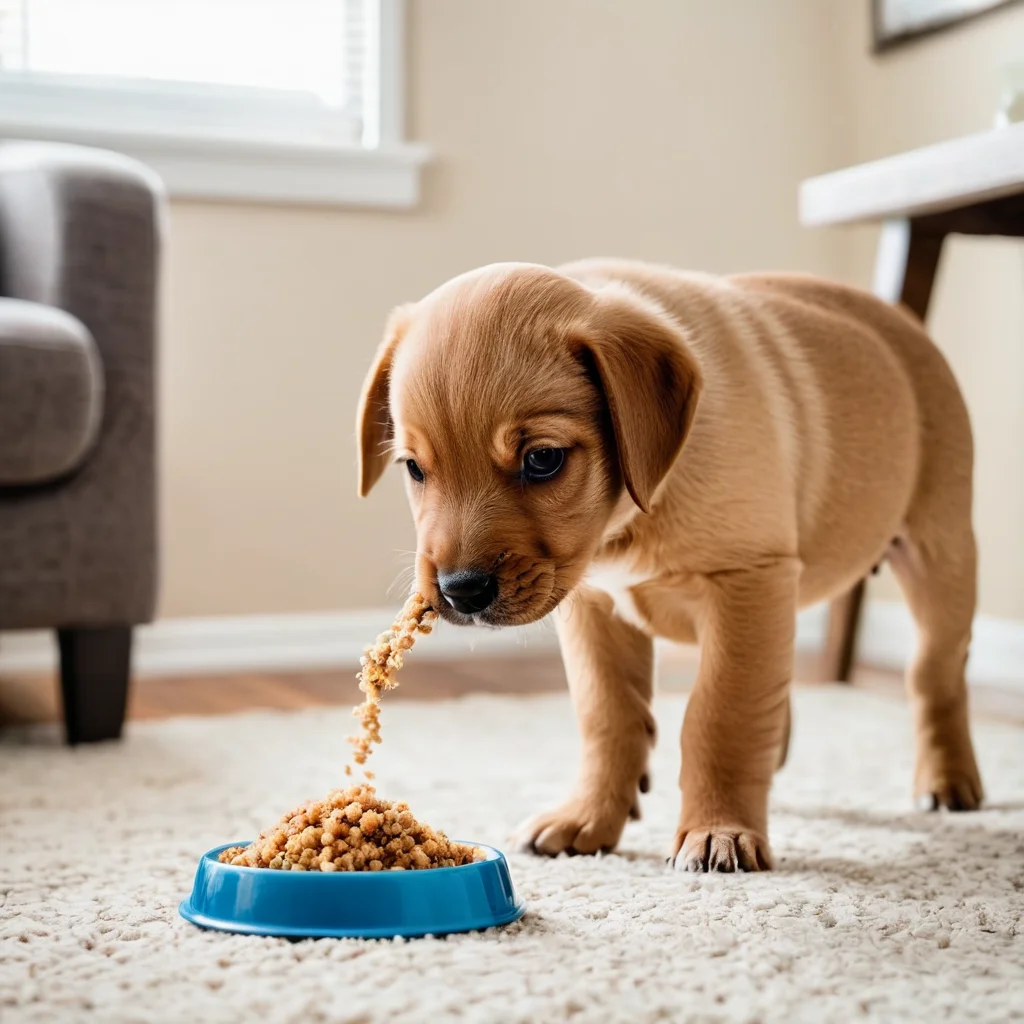

Setting up a puppy's daily routine is the most confusing early stage of being an owner. Meals, potty breaks, play, training, sleep, socialization: all of it needs a daily plan. The wrong routine = a cranky, unhealthy puppy and a burned-out owner. Needs change with age. In this article we take a detailed, hour-by-hour look at a daily puppy schedule from 8 weeks to 6 months.
1. A Puppy's Needs (Daily)
- Meals (2-4 a day depending on age).
- Potty breaks (every 2 hours).
- Sleep (18-20 hours in total).
- Active play (60-90 min in total).
- Training sessions (30-45 min in total).
- Socialization (new people/places).
- Grooming (brushing, teeth, nails).
- Practice being alone (10-30 min).
2. Daily Schedule for an 8-Week-Old Puppy
- 06:30 · Wake up, potty break.
- 07:00 · Breakfast and potty break.
- 07:30 · 15 min of training/play.
- 08:00 · Nap (owner leaves for work).
- 10:00 · Potty break (come home or a pet sitter).
- 10:15 · Short play and lunch.
- 11:00 · Potty break and nap.
- 13:00 · Potty break and play.
- 14:00 · Nap.
- 16:00 · Potty break, play and training.
- 17:30 · Dinner and potty break.
- 18:00 · Socialization (family time).
- 20:00 · Potty break and calm play.
- 21:30 · Potty break and bedtime routine.
- 22:30 · Last potty break of the night, sleep.
- 03:00 · Night potty break (at 8 weeks).
3. Daily Schedule for a 12-Week-Old Puppy
- 07:00 · Wake up, potty break and breakfast.
- 08:00 · Training (15 min) and nap.
- 10:00 · Potty break and play (15 min).
- 11:00 · Lunch and nap.
- 13:00 · Potty break and play (20 min).
- 14:00 · Quiet time.
- 16:00 · Socialization and training (20 min).
- 18:00 · Dinner and going outside (if vaccinations are complete).
- 20:00 · Family time and calm play.
- 22:00 · Last potty break and sleep.
- Sleeps through the night (at 12 weeks).
4. Daily Schedule for a 6-Month-Old Puppy
- 07:00 · Wake up, potty break and breakfast.
- 08:00 · Outdoor walk (30 min), vaccinations complete.
- 09:00 · Owner at work → puppy rests / crate / pet sitter.
- 13:00 · Potty break and lunch.
- 14:00 · Rest.
- 17:00 · Outdoor walk and play (45 min).
- 18:30 · Dinner.
- 19:30 · Training session (15 min).
- 21:00 · Socialization and calm play.
- 22:30 · Last potty break and sleep.
5. Mealtime Discipline
- 2-4 months: 4 meals a day.
- 4-6 months: 3 meals.
- 6-12 months: 2-3 meals.
- Meals at the same times: the dog learns them and builds an internal clock.
- Free feeding ("always out") is OFF-LIMITS: you lose control of weight and portions.
- If food is left after 20-30 min, take it away.
6. Potty Time Discipline
- Right after waking up.
- 15-30 min after eating.
- 5-15 min after drinking water.
- After play.
- Before bed.
- The "age in months + 1" hours rule (2 months old = once every 3 hours).
7. How Often to Train
- 2-3 sessions a day, each 5-15 min.
- A puppy's attention span is short; long sessions lose the fun.
- Basic commands: "sit," "down," "come," "stay," "place."
- Positive reinforcement and high-value rewards.
- Always end on a "win."
8. Practice Being Alone
Practice for leaving your puppy on its own:
- First: 5 min alone in a room, then come back and reward.
- Gradually increase to 10 min, 15 min, 30 min.
- If the puppy stays without crying, the training is working.
- Keep it busy with a Kong stuffed with frozen food.
- A 3-4-month-old puppy tolerates 3-4 hours alone.
- At 6-8 months, it can be 6 hours.
9. Sharing Care with Housemates
For working owners:
- Mornings/evenings with the owner at home.
- Daytime with a pet sitter / neighbor / family.
- Doggy daycare (3 months and up).
- Puppy-specific pet boarding.
- A puppy needs constant supervision for the first 3 months; plan for it.
10. Why Routine Matters
- Consistency = learning.
- Predictability = a puppy that feels safe.
- Family members should follow the same rules.
- A different schedule on weekends / vacations → confusion.
- A dog doesn't understand "one way today, another way tomorrow."
For a puppy's daily routine, the formula of consistency, age-based adjustment and balancing its needs gives you a healthy puppy and a relaxed owner. A disciplined routine shapes adult dog behavior and lifestyle habits for years. In the DoldurKabı app, you can find vet clinics experienced with puppy training on the map.









