


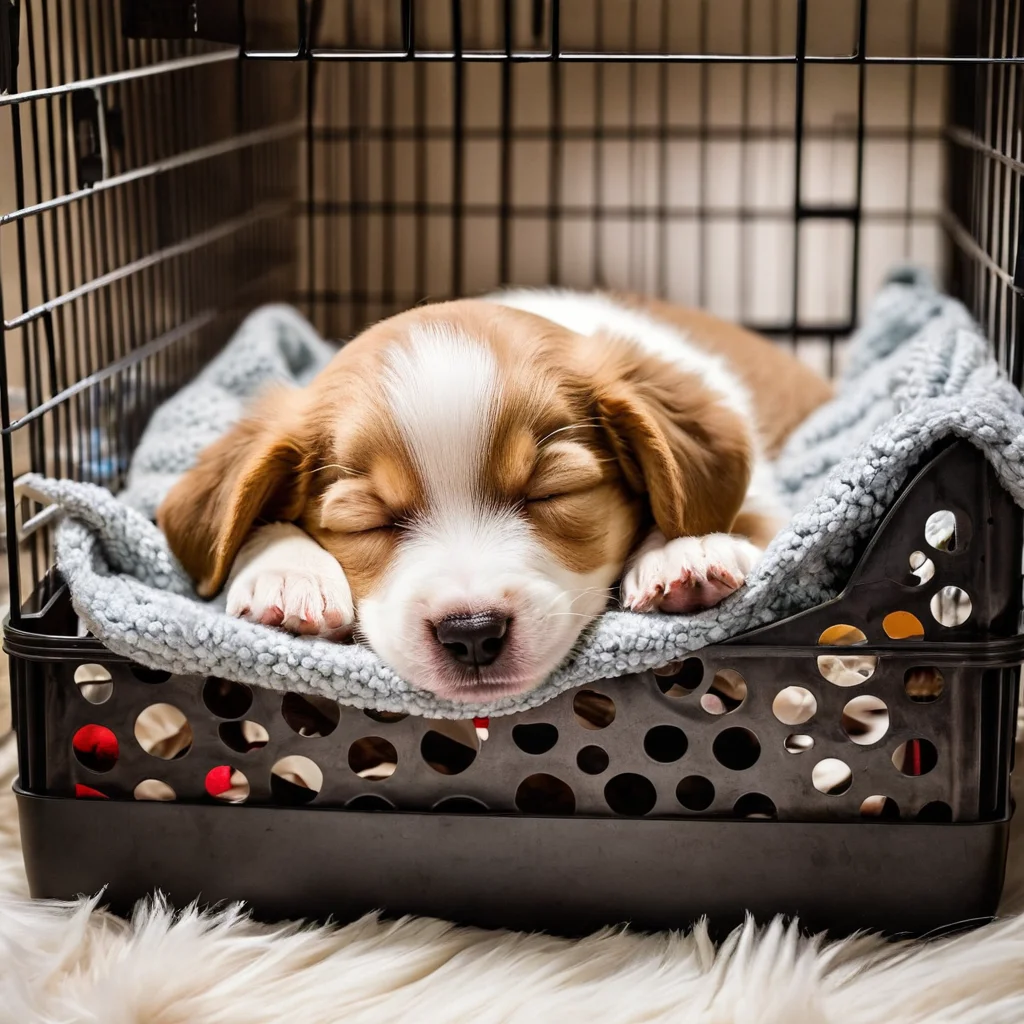

A puppy needs to learn to be alone, for when you are at work or out shopping. Not enough preparation → separation anxiety: barking, destroying things, potty accidents, self-harm.
Start Early
In the first weeks after your puppy comes home: practice short periods alone. If you are always by its side, stress runs high when you leave.
A Safe Space
- A crate or a closed-off room
- A soft bed
- Access to water
- Chew toys
- A favorite blanket
- A window view (watching the outside reduces stress)
Step 1: Short Separations (Inside the Home)
- Puppy in its safe space
- You go to another room for 1 minute
- Come back without making a fuss
- If the puppy is calm → reward
- Build up gradually to 5 minutes, 10 minutes
Step 2: Going Out the Door
- No goodbyes (just walk out calmly)
- Stay outside for 1-2 minutes
- Come back and say a calm hello
- Before the puppy gets excited
- Increase the time
Step 3: Fully Alone
- 30 minutes outside
- 1 hour, 2 hours
- For a puppy, max 3-4 hours (bladder control)
- Adults tolerate 6-8 hours
Behavior When You Return
- A calm hello (don't get excited)
- Act normally for the first 5 minutes
- Then affection and play
- Showing affection with squeals ends up rewarding the excitement
While It Is Alone
- Puzzle feeder (hidden food)
- KONG (with peanut butter inside)
- Chew bone
- Calm radio / TV (soft sound)
- Camera (checking in remotely gives the owner peace of mind)
Signs of Separation Anxiety
- Excessive barking / howling
- Destroying things (especially doors, windows)
- Potty accidents (in a house-trained dog)
- Drooling
- Self-harm (chewing paws)
- Digging everywhere
Serious Cases: See the Vet
If destructive behavior continues:
- A veterinary behaviorist
- Anti-anxiety medication
- Adaptil diffuser (a calming pheromone for dogs)
- A behavior modification plan
Puppy Bladder Control
- Age + 1 = hours (3 months = 4 hours max)
- Longer periods = pee pads or a dog walker
- Timing: a potty break before and after work
Dog Walker / Pet Sitter
If a puppy or active dog is alone for more than 4 hours a day → a midday visit:
- Walk
- Potty
- Play
- Checking water / food
Common Mistakes
- Overly emotional goodbyes (shows of affection cause stress)
- Overly emotional returns
- Punishing after destruction (it means nothing to the dog)
- A puppy in a crate for 8+ hours (cruel)
- The "it will get used to it" mindset: it can't adapt that way
FAQ
My puppy is crying. Should I go to it? No, that reinforces the crying. Go when it is quiet.
Crate or room? Puppy: a crate is a safe space. Adult: a single room is OK.
Will a second dog solve the loneliness? Sometimes, but the second dog may learn the same problem.
Dog behavior and training are part of DoldurKabı's pet health tracking system.









