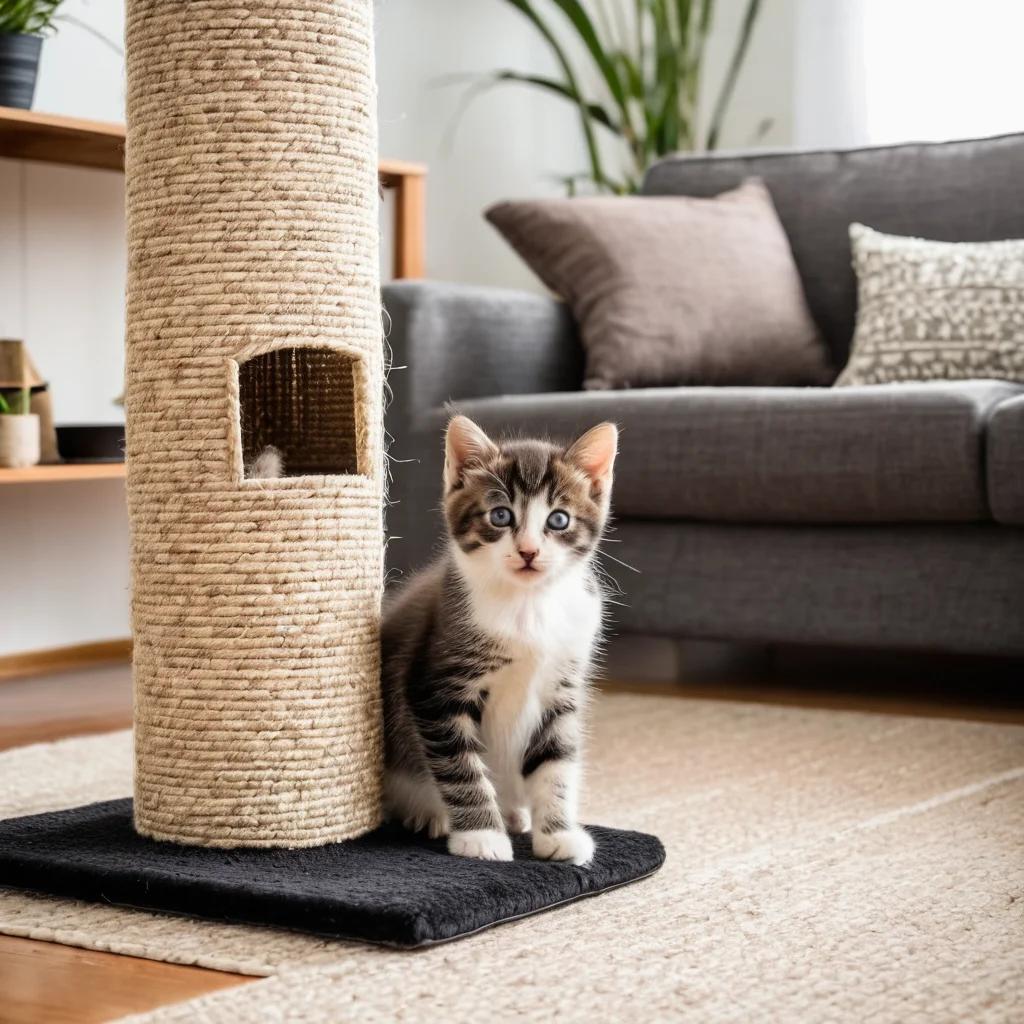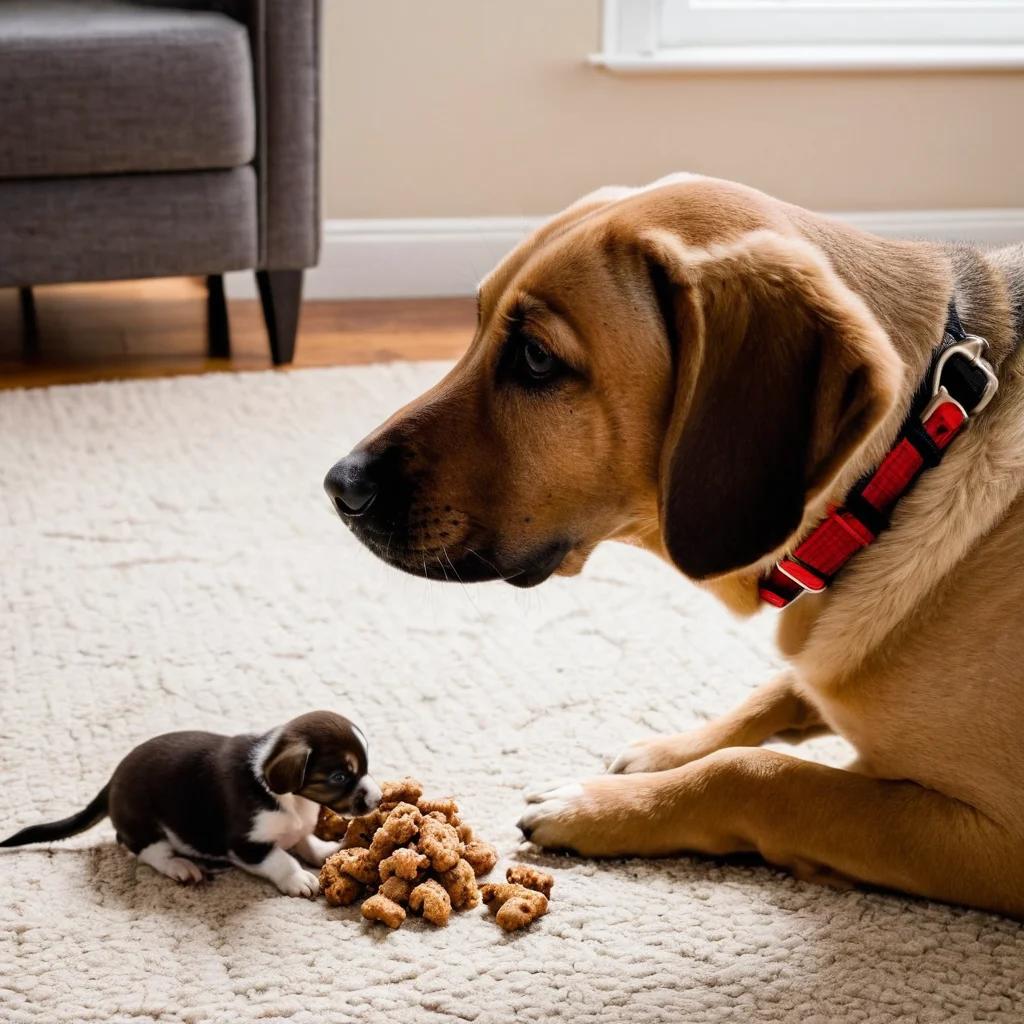

Meeting strangers who come to the house is an important part of socialization for puppies + kittens. Too little exposure to strangers leads to adult behaviors like "panic at the doorbell" + "aggression toward guests." During the socialization window, 3-14 weeks (dogs) + 2-7 weeks (cats), 3-5 different guests a week is ideal. In this post we look at how to introduce guests the right way + common mistakes + managing signs of fear.
1. Why Do Guest Introductions Matter?
- A puppy or kitten should learn that "strangers = normal."
- Too little exposure → fear of or aggression toward strangers as an adult.
- Vet visits + groomer visits + having guests over get easier.
- A social adult dog/cat = a happy owner.
2. Rules for the First Introduction
- Tell guests the rule before they arrive: approach calmly, do not grab the puppy or kitten.
- If the young one is scared, DISTANCE.
- Sitting on the floor: the young one feels unsafe.
- Direct eye contact is a threat to a puppy or kitten (especially in cats).
- Calm voice, slow movements.
- Treats in the guest's pocket.
3. Guest Protocol for Puppies
- When the guest arrives, the dog is on a leash or in a room.
- Let the excitement fade and let them calm down.
- The guest sits calmly and waits for the dog to come.
- If the dog approaches, a treat + soft talk.
- The guest offers the dog a treat.
- 5-10 min of socializing + a break.
- If the puppy gets tired, it goes to its own space.
4. Guest Protocol for Kittens
- If the cat hides, do not force it out.
- The guest sits, quietly.
- The cat comes out of its own curiosity (slowly).
- The guest does not reach out a hand; the cat comes and sniffs.
- "Slow blink": "all good" in cat language.
- A toy or soft food as a reward.
- Never force it onto your lap.
5. Variety of Guests
3-5 different guests a week is ideal:
- Men + women.
- Children + adults + older people.
- Wearing hats + glasses, with beards.
- Long hair + short hair.
- Different ethnic backgrounds (if possible).
- In uniform (courier, police simulation: a friend in costume).
- Using a cane (older or disabled people).
6. Signs of Fear (Dogs)
- Tail between the legs.
- Ears back.
- Body lowered.
- Drooling, yawning.
- Lip licking.
- Running away, hiding.
- These signs = the guest backs off, increase the distance, slow the pace.
7. Signs of Fear (Cats)
- Fur standing on end.
- Ears back.
- Body low + tense.
- Dilated pupils.
- Hissing, growling.
- Running away + hiding.
- These signs = the guest backs off completely until the cat calms down.
8. Common Mistakes
- Telling the guest "go up to the puppy, be affectionate."
- A child guest forcing the young one to be shown.
- Soothing with "it's okay" when the young one is scared (it reinforces the fear).
- An excited guest yelling or running.
- More than one guest at the same time: overload.
- The young one is overtired but more guests are still expected.
9. Training for Types of Guests
- Doorbell reaction: When the doorbell rings, reward the "go to your bed" command.
- Courier: A short guest visit simulation.
- Big family gatherings: Several people → step by step.
- Child guests: Under adult supervision, with clear rules.
10. Fear of Strangers in Adult Dogs/Cats
If socialization was missed in puppyhood or kittenhood:
- Treatment is hard in an adult dog/cat.
- A behaviorist + systematic desensitization.
- Slow progress over years.
- In some cases anti-anxiety medication (Prozac, gabapentin).
- The socialization window does not come back: prevention is the only solution.
Introducing guests to puppies and kittens: the formula of 3-5 different strangers a week + a calm approach + rewarding associations builds social behavior in adulthood. Too little socialization creates behavior problems that need years of treatment. In the DoldurKabı app you can find vet clinics experienced in behavior on a map.