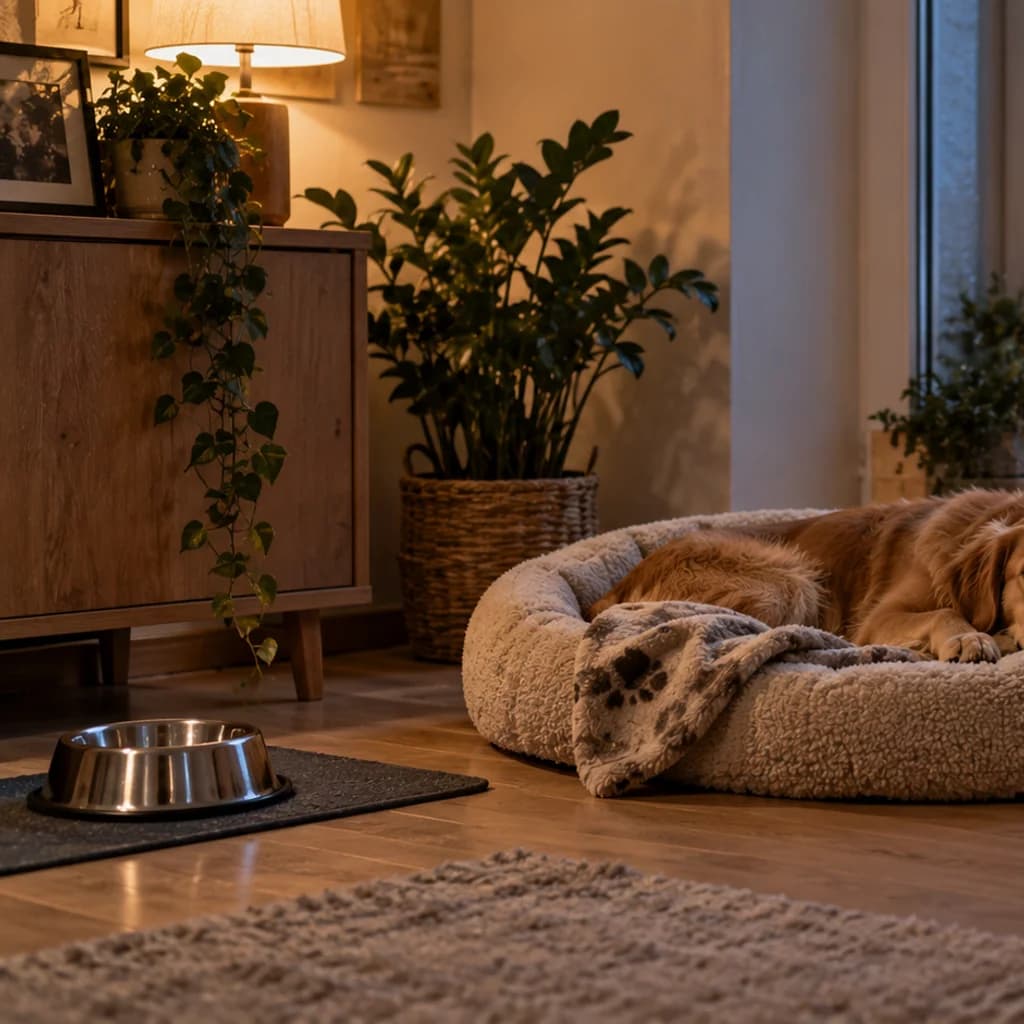

You do not buy an animal, you adopt one. This sentence is not just a choice of words; it is also where understanding what a new arrival goes through in its first days begins. A new place, new smells, new sounds, and on top of that, a cold season. The first winter is a busy period for both settling in and keeping track of health.
This article walks you through the routine to set up in the first weeks: a small, safe starting area, a well-arranged warm corner, the first vet checkup and a health plan tied to a calendar. Going step by step works better than changing everything at once.
The first days: start with a small area
Letting a new pet loose in the whole house at once often backfires. Starting in a single room is easier: keep the bed, water, food, a litter box for a cat and a corner to hide in all in the same area. As the animal feels safe, you can gradually expand the space.
In the first days, it helps not to invite guests, to keep noise down and to wait for the animal to approach you instead of approaching it. Hiding is not a bad sign; trying to force it out, on the other hand, delays building trust.
Set up a routine early. When feeding times, walk times and sleep patterns are consistent, the animal learns what happens when. Because it gets dark early in winter, choosing a realistic walk time for dogs from the start is better than changing it a few weeks later.
How to set up a warm corner
Even inside the house in winter, the temperature is not the same everywhere. Cold coming up from the floor, drafts by the window and the breeze under the door make a difference for a small or young animal. A well-arranged corner looks like this:
- Insulated from the floor: put a thick rug or an insulating layer under the bed.
- Away from drafts: against a wall rather than in front of a door, under a window or in a hallway.
- Not pressed against the radiator; close but at a distance. Direct contact can cause burns and overheating.
- With a way out: the animal should be able to move away when it gets warm and not be stuck in a closed, narrow box.
- Away from cables, electric heaters and things that could tip over.
If you use an electric heating pad, choose one made for pets, with a limited temperature and a protected cable; do not leave it running when you are not around. Young, senior and chronically ill animals have a harder time regulating heat, so you need to check the corner often in the first days.
Settling in: sound, smell and touch
The settling-in period varies from animal to animal. Some are wandering around in three days, while others do not come out from under the bed for three weeks. The measure is not the calendar but behavior: is it eating, is it using the toilet, can it rest while you are in the room?
Smell plays a big part. If there is a blanket from the shelter or the previous home, use it. Add new things gradually, not all at once. Do not rush touch; holding out your hand and waiting works faster than picking the animal up.
If there is another animal at home, make introductions gradually: first swap scents between separate rooms, then short meetings through a door gap, then controlled time in the same space. Since both will spend more time indoors in winter, it is important not to rush this transition. Reading about the typical behavior of the species in advance keeps your expectations realistic; the Pet Encyclopedia pages can be a starting point.
What to discuss at the first vet checkup
The first checkup after adoption is done in the first days if possible. At this exam, the vet assesses general condition, estimates weight and age, discusses parasite control and reviews any past records. Things it is good to bring along:
- Records from the previous owner or the shelter, the vaccination record and any test results.
- The microchip number or ID tag information.
- The name of the food you are currently giving and the daily amount.
- Everything you have noticed in the first days: appetite, stool, coughing, limping, itching.
If you adopted from a shelter, the records the organization has will speed things up; do not forget to get this information. You can reach the shelter list from the shelters page and ask in advance which documents they provide. You can find vets near you in the vet list and call to book a first appointment.
Vaccine, parasite and microchip schedule
The vaccine and parasite plan varies with the animal's age, history, lifestyle and the region it lives in. That is why the plan should be worked out together with a veterinarian instead of following a fixed table found online. Looking at past records, the vet will tell you which vaccines have been given, which need to be repeated and how parasite protection will work.
Your job is to make the plan easy to follow. Keep what has been done and the next dates in one place; set reminders on your phone. In the DoldurKabı app, you can add vaccine and health records to your pet's profile and get reminders, but a paper vaccination record does the same job. What matters is that the records do not get scattered.
Setting up a record system in the first weeks is easier than trying to sort it out later. Gather the vaccination record, invoices and test printouts in a single folder; that folder will come in handy if you move or switch vets.
The microchip side is often left incomplete. Having a chip implanted is not enough on its own; the contact details in the registration need to be yours and up to date. Ask your vet how to transfer the registration after adoption. This directly affects the chances of your pet being found if it gets lost. Reading in advance what to do if your pet goes missing also helps; the lost pet listings page is where listings are gathered by area.
Winter-specific risks and outdoor routine
Time spent outside gets shorter in winter, but the risks change. For dogs, salt and de-icing chemicals that stick to the paws can cause irritation; wiping the paws with lukewarm water after a walk is a simple precaution. With a newly arrived dog, make sure the collar and harness fit properly, because the risk of escape is higher in the first weeks.
Cats sheltering under cars, balcony doors left open and narrow gaps behind radiators are also winter-specific concerns. If you have antifreeze, cleaning products or ornamental plants at home, put them out of reach. Since the animal will be sniffing and trying everything in its new surroundings, it makes sense to review home safety again in the first months.
If you are just starting to think about adoption and have not decided yet, the age and health information in listings gives you an idea of how the first winter might go; reading adoption listings with this in mind is helpful.
Frequently Asked Questions
How long should I wait for the first checkup?
The general approach is to get a checkup within the first days. If there is a sign such as coughing, diarrhea, loss of appetite or lethargy, you should go without waiting.
How many weeks does it take to settle in?
It varies. Some animals relax in a few days, while others need weeks. Eating, a regular toilet routine and being able to rest are the visible signs of settling in.
Should I leave the heater on at home in winter?
It is enough that the indoor temperature does not drop too low; a constantly high temperature is not needed. The real point is that the animal has a corner insulated from the floor and away from drafts.
Can I follow a vaccine schedule from a table I found online?
No. Because the plan varies with age, history and region, it should be set by a veterinarian. Your job is to keep track of the dates and keep the records together.