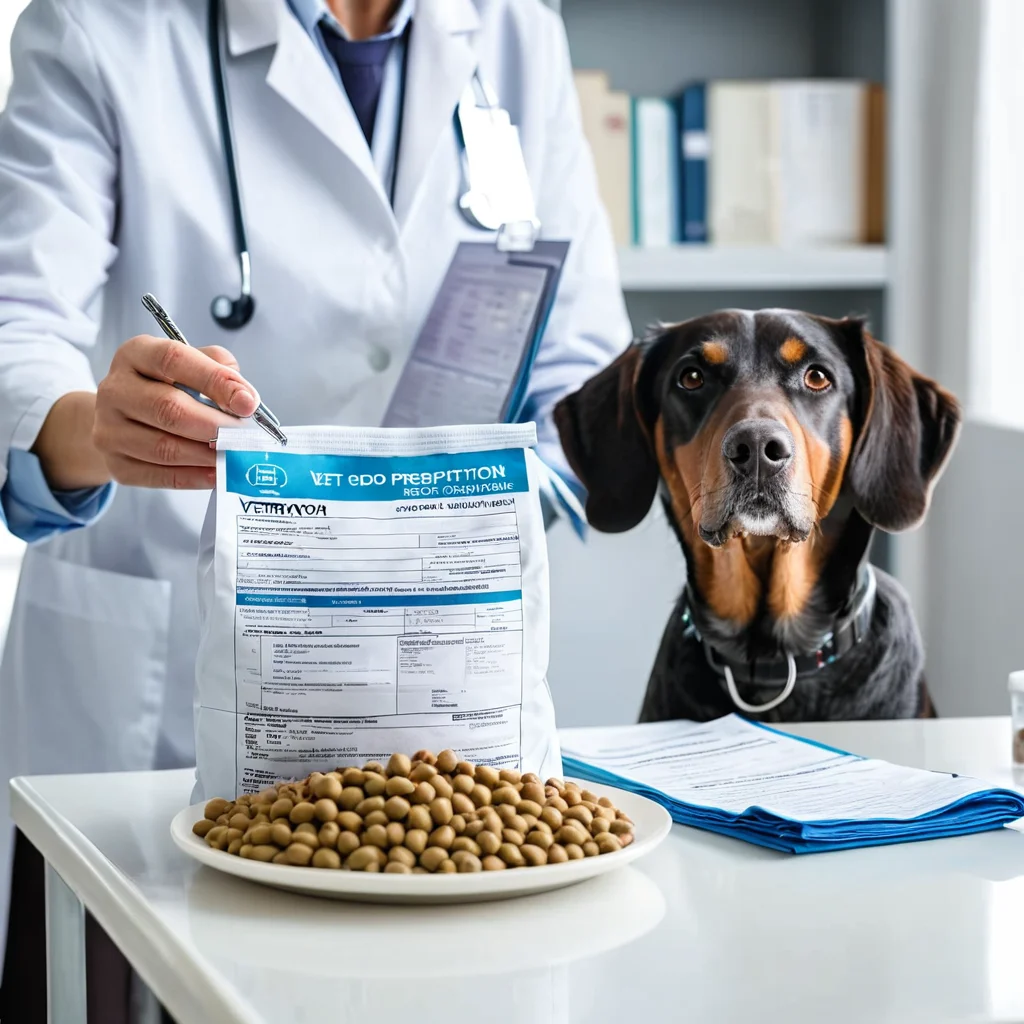

What Is the BARF Diet? Benefits and Risks of Natural Feeding
The BARF diet (Biologically Appropriate Raw Food) is a feeding method that imitates the eating habits of pets' ancestors in the wild. This diet, which has grown in popularity in Türkiye in recent years too, is made up of natural foods such as raw meat, bones, organ meats, vegetables and fruit. But the BARF diet has both advocates and critics. In this post, we'll look at the topic from every angle.
The Basics of the BARF Diet
The BARF diet was popularized by Dr. Ian Billinghurst in 1993. Its core philosophy is that pets should be fed natural, unprocessed foods instead of commercial pet food.
Typical BARF Diet Components
- Raw meat: Chicken, turkey, beef, lamb (60-80%)
- Raw meaty bones: A source of calcium and minerals (10-15%)
- Organ meats: Liver, kidney, heart (5-10%)
- Vegetables: Broccoli, carrots, spinach, zucchini (5-10%)
- Fruit: Apples, blueberries (5%)
- Supplements: Fish oil, eggs, kelp
Benefits of the BARF Diet
Pet owners who follow the BARF diet and some vets report a range of benefits:
- Shiny, healthy coat: Natural fatty acids improve coat quality
- Better digestion: Unprocessed foods can be digested more easily
- Less stool: Because nutrients are used more efficiently, the amount of stool decreases
- Healthy teeth: Raw bones provide natural tooth cleaning
- More energy: Animals often become more active and energetic
- Fewer allergy symptoms: Moving away from artificial additives can reduce allergic reactions
Risks and Downsides of the BARF Diet
The BARF diet also carries significant risks, and these risks should not be ignored:
Bacterial Contamination
Raw meat can contain harmful bacteria such as Salmonella, E. coli and Listeria. These bacteria pose a risk to both your pet and the people in your home, and they are especially dangerous for children, older adults and people with weakened immune systems.
Nutritional Imbalance
Homemade BARF diets can lead to vitamin and mineral deficiencies when they are not formulated by a professional nutritionist. The calcium-phosphorus balance in particular is critically important.
Bone Hazards
Raw bones can cause broken teeth, intestinal blockage or perforation of internal organs. Cooked bones in particular are far more dangerous.
Cost and Time
Compared with ready-made pet food, the BARF diet takes considerably more time, effort and budget. Sourcing, preparing and properly storing the ingredients takes care.
How to Switch to the BARF Diet
If you have decided to try the BARF diet, it's important to make the switch safely:
- Talk to your vet: Find out whether the BARF diet suits your pet's health
- Switch gradually: Over 7-14 days, reduce the old food while increasing the raw food
- Start with a single protein source: To watch for allergies, begin with just one type of meat
- Add supplements: Use fish oil, probiotics and the necessary vitamin supplements
- Regular health checks: In the first months, get blood tests to check nutritional balance
Who Is It Not Suitable For?
- Animals with weakened immune systems
- Animals with chronic illnesses (kidney, liver)
- Young animals (balanced nutrition is critical during growth)
- Extra care is needed if there are people with weakened immunity at home (children, older adults, pregnant women)
Conclusion
The BARF diet can be beneficial for some animals, but it may not be suitable for every animal. Always talk to a veterinary nutritionist before switching to this diet. A BARF diet that isn't done properly can do more harm than good. When it comes to your pet's health, making decisions based on scientific evidence is always the right call.