


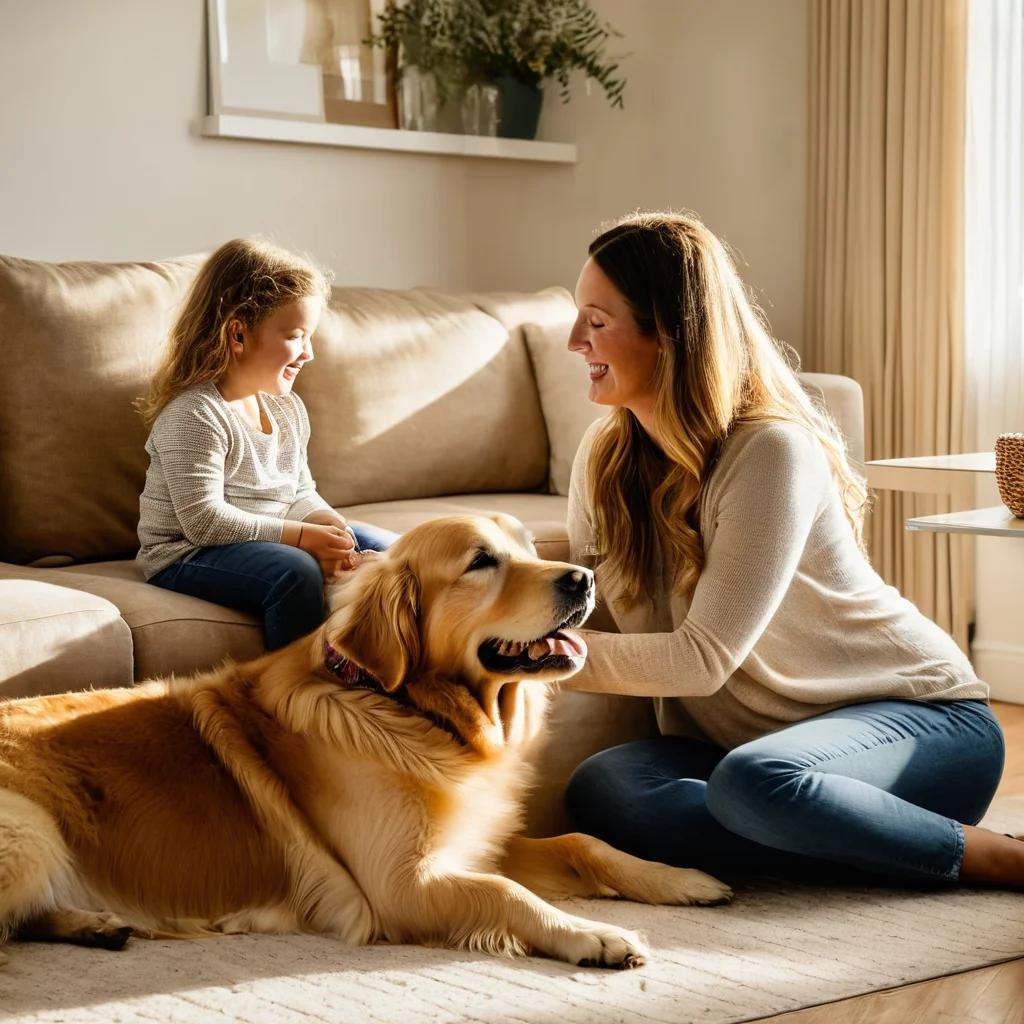

A child growing up with a pet, and a pet getting used to a child: handled well, it is a life-changing bond for both sides. Handled badly, it means bites, scratches, a traumatized child and a stressed animal. The key: age-appropriate supervision, boundaries and teaching respect. This post covers pet interaction rules for kids aged 0-2, 3-5 and 6-12, what owners and parents need to do and how to design a safe play environment.
1. Kids + Pets = A Win for Both
Research shows that children who grow up with pets tend to be more empathetic and responsible, with better developed emotional intelligence and a stronger immune system (from early hygiene exposure). But these benefits require a controlled environment.
2. An Age-Based Approach
Ages 0-2 (Babies and Toddlers)
- ALWAYS supervised by a parent. Never leave them alone together.
- Pets don't go into the nursery. A clear rule.
- When the baby starts crawling toward the dog's bed, the dog needs a space to retreat to.
- Don't force the dog/cat to stay away from the baby; teach positive togetherness (eye contact from a distance plus a reward).
- Direct access to the baby: When the baby is sleeping in the crib, the dog should not be in the same room.
Ages 3-5 (Preschool)
- Children now interact but are impulsive, so supervision is still strict.
- Teaching "respect for pets" begins:
- "If the dog/cat is on its bed, don't go near; that's its safe place."
- "Don't touch them while they eat or drink."
- "Don't squeeze the tail or pull the ears; it hurts them."
- "If the dog licks its lips or lowers its tail, it's saying don't come near me."
- How a child shows affection: under the chin, the back, the shoulders; not the top of the head, the tail or the ears.
- Giving food and snacks is the parent's job.
Ages 6-12 (School Age)
- Children can now share responsibility: filling the water bowl, giving a biscuit, gentle brushing.
- Teach them to read dog body language: the differences between scared, happy and irritated.
- Walks with the child and dog: parent alongside, on a short leash.
- Where supervision is limited, give the child specific instructions like "if the dog wants to go to its bed, let it go."
- Some children are ready for an "owner role" for their age; they can share the pet's care schedule.
Ages 13+ (Teens)
- Full shared responsibility; joining in pet training and vet visits.
- Teaching a teen a "lesson in responsibility" through the pet: both helping care for a senior pet and starting out with a new puppy or kitten.
3. 8 Rules to Teach Your Child
- Don't touch an animal while it is sleeping.
- Don't try to take its food or snacks.
- No pulling the tail, ears or paws.
- Don't force the animal into your lap.
- No loud noises or sudden movements: a child runs in excitement, and the dog gets scared.
- If the cat jumps off the bed, don't chase it.
- If the dog growls, BACK AWAY and tell a parent.
- Check the door when leaving the house so the pet doesn't escape.
4. Dogs + a New Baby
The detailed protocol is in our jealousy guide here. Key points:
- Get the dog used to the sounds and smells before the birth.
- When the baby comes home, a controlled introduction on a leash.
- Supervised for the first weeks, never alone.
- A positive association between baby and dog (baby = affection comes).
5. Cats + Kids
- Cats are more independent than dogs and prefer to get away from children.
- The cat needs an escape space: a high shelf, access to a closed room.
- The risk of scratches and bites is lower, but sharp when triggered.
- Teach the child: "If the cat comes to you, sit down; if it doesn't, don't go after it."
6. A New Dog + an Older Child
- Choose a breed suited to your child's age; an energetic large dog is risky with small children.
- Family-friendly breeds: Labrador, Golden Retriever, Cavalier King Charles, Bichon Frise.
- To avoid (with small children): breeds with a strong prey drive, guardian breeds (they need experience).
- A puppy + a small child = both need training. A consistent owner keeps things balanced.
7. Emergency: A Bite or Scratch
- Wash the child's wound with soapy water for 5 minutes.
- An ER exam plus tetanus and (if needed) rabies vaccine.
- Bring the animal's records (microchip, vaccination certificate).
- Analyze what happened: what was the trigger, and how can it be prevented?
- A dog behavior specialist, to prevent it happening again.
- The child's emotional state: even a small trauma can create fear.
For more detail, see our dog bite guide.
8. Frequently Asked Questions
My baby was born. Should I give my dog away?
No. With a protocol, supervision and a proper introduction, most families adjust without problems. Rehoming is not the first option.
My child keeps running at the dog. Is there a bite risk?
Teach your child "if the dog goes to its bed, don't chase it," and give the dog an escape route. Continuous parental supervision is a must.
My child has allergies. Can we get a pet?
Discuss it with their doctor. Some breeds are presented as hypoallergenic (Poodle, Bichon), but none is 100% allergy-free. A short-term contact test comes first.
What age is ideal for getting a pet?
In general: a child aged 6+ is ready for an active role. But in a home with small children, a calm adult pet with a parent as the primary owner is a good start. Adopting a puppy or kitten "so it teaches the child responsibility" makes the parent the one truly responsible, so be realistic.
My child is afraid of dogs.
Fear can't be beaten by force; use gradual exposure. Seeing from a distance plus a reward, then slowly moving closer. For very severe fear, a child psychologist.
The dog growls at my child on its bed.
The dog is saying "this is my space." Make it a strict rule for your child: "if the dog is on its bed, don't go near." For the dog's behavior, a vet exam plus a behavior specialist.
How should pet lessons with my child begin?
Take your child along to the vet, and give them gentle brushing, water bowl duty and a part in daily walks. Tasks grow with age.
Final Word
Kids + pets = a lifelong bond. With the right boundaries, parental supervision and teaching respect, the vast majority live remarkably happy lives together. The responsibility of caring for a pet is a lesson that contributes to a child's life for the long term too.
For family and pet routines and vet checkup dates, use DoldurKabı Pet Health Tracking.
This guide is for information only; for serious behavior problems, get expert support.









