
School and classroom pet visits support children's reading development (Reading Education Assistance Dogs, or READ), empathy and learning responsibility. Programs, research on the benefits and pilot examples in Türkiye. Interaction between children and pets is backed by science and beneficial. In this article we take a detailed look at school pet programs.
1. School Pet Programs
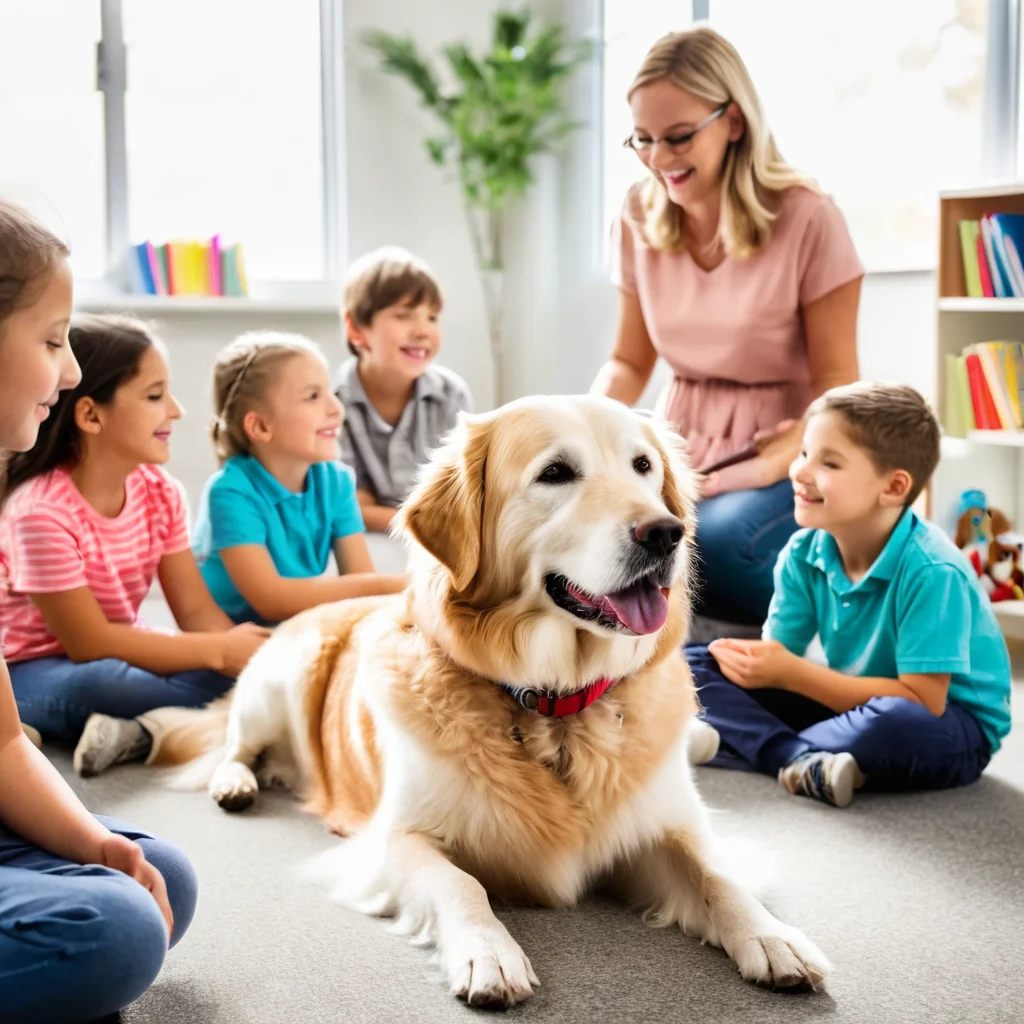
- READ (Reading Assistance): The child reads to the pet (a listener who doesn't judge).
- Therapy dog visits: Social interaction in the classroom.
- Classroom animal: A rabbit, a hamster, an aquarium (a permanent pet).
- Farm trip: Kids get hands-on experience with animals and farming.
- Nonprofit (NGO) partnerships: Awareness about stray animals.
- Science and biology lessons: Learning with pets.
2. The READ Program
- Launched in 1999 in Salt Lake City.
- The child reads aloud to a therapy dog.
- The dog "doesn't judge," so the child's confidence grows.
- Reading level improves noticeably.
- Türkiye has limited pilot programs.
- A team of a certified therapy dog, a trainer and a teacher.
- Weekly 30-minute sessions.
- Reading plus an emotional bond.
3. Benefits (for the Child)
- Developing empathy: Reading a pet's emotions.
- Responsibility: Experience caring for a pet.
- Social skills: Interacting with people through the pet.
- Less anxiety: Pets have a calming effect.
- Reading development: The READ program.
- Respect for animals: Learned at an early age.
- Allergy prevention: Early exposure (according to some research).
- A stronger immune system.
4. Benefits (for Education)
- Improves concentration in class.
- Reduces stress and discipline problems.
- Builds the child's relationships with teachers and classmates.
- Special support for children with autism.
- Helps children recover after trauma.
- Support after grief and loss.
- Overall happiness and eagerness to go to school.
5. Programs in Türkiye
- A limited number of organizations are active.
- Nonprofits such as Pati Patileri Derneği.
- Some private schools have therapy dog visits.
- Pilots in big cities such as Istanbul and Ankara.
- Pet awareness programs.
- Partnerships between municipalities and nonprofits are growing.
- Legal regulations and standards are lacking.
- Volunteer teams and certification are slow to develop.
6. Classroom Pets (Permanent)
- A classroom rabbit, hamster or bird.
- Aquarium fish.
- Reptiles (turtles, bearded dragons).
- Responsibility shared by teacher and students.
- Ethical considerations (pet stress, care during holidays).
- Animal welfare comes before the children's lessons.
- NO dogs or cats as classroom animals (stress).
- Choose caged animals carefully.
7. Autism and Special Education
- Children with autism can form a deep bond with pets.
- Service dogs provide specific support.
- Therapy dog visits are effective.
- They increase the child's speech and social interaction.
- They relieve stress.
- A science-backed method.
- An individualized plan.
8. Child and Pet Safety
- Children learn the ground rules around pets.
- The pet's resting spot (disturbing it is NOT allowed).
- Stay away while the pet is eating.
- Pulling tails and ears is NOT allowed.
- Reading a pet's stress signals.
- Age-appropriate teaching of respect and love.
- Supervise encounters between children and pets.
- Preventing bite incidents.
9. The Family and Home Bond
- The child takes part in pet care at home.
- Age-appropriate responsibilities (water, food, walks).
- Choosing a pet is a family decision.
- Matching the child's age with the pet.
- A thoughtful decision about the first pet at home.
- Pets teach love.
- Family bonds form around the pet.
10. Ethics and the Future
- The pet's stress and welfare come FIRST.
- Forcing a pet into use for children's education is NOT allowed.
- Certified therapy dogs and training.
- The ethical debate around classroom pets (welfare of caged animals).
- Legal regulations and standards are essential.
- A growing field in Türkiye.
- Education and awareness matter.
- The benefit of pets is mutual and humane.
School, children and pets: the formula is the READ program, therapy dog visits, building empathy and responsibility, and pilots in Türkiye. Interaction between children and pets is science-backed and beneficial. Ethically, the pet's welfare comes first. It's a growing field in Türkiye. In the DoldurKabı app you can find information on pet awareness and nonprofit partnerships.