
Pet Nutrition: The Foundation of a Healthy Life
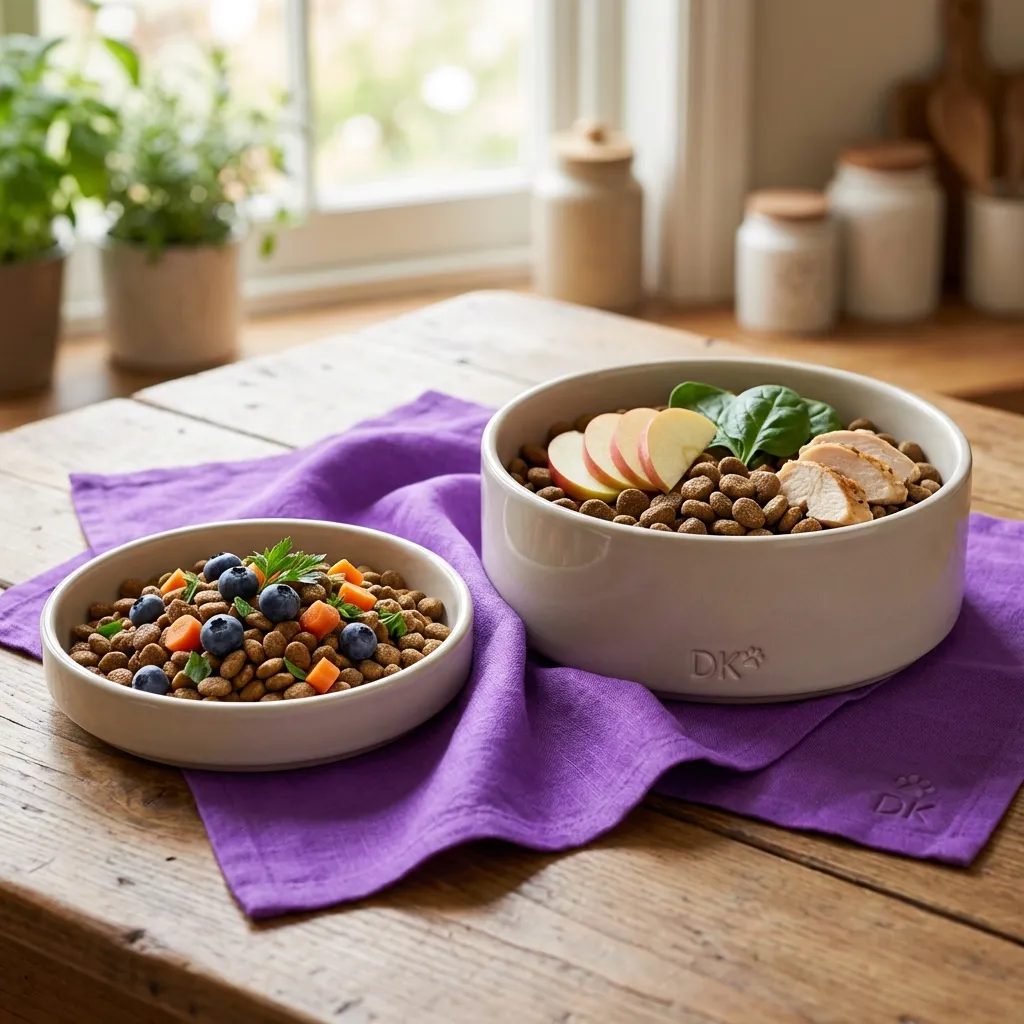
The right diet is essential for your pet to live a healthy, energetic and happy life. Just like people, cats and dogs have nutritional needs specific to their species. Poor feeding habits can lead to obesity, kidney disease, skin problems and even a shorter lifespan. In this guide, we will cover the principles of proper nutrition for your pet in detail.
Cat Nutrition: Obligate Carnivores
Cats are obligate carnivores, meaning they are animals that must eat meat. Their bodies can get some of the nutrients they need only from animal sources. A plant-based diet is not suitable for cats and leads to serious health problems.
Basic Nutritional Needs
- Protein: At least 30-40% protein on a dry matter basis is needed. High-quality animal protein sources such as chicken, turkey and fish should be preferred
- Taurine: An amino acid that is vital for heart health and eyesight. It is found only in animal tissue
- Arachidonic acid: This fatty acid, needed for the immune system and skin health, comes only from animal sources
- Water: Cats naturally drink little water, so feeding wet food supports kidney health
Feeding Schedule
For adult cats, 2-3 meals a day is ideal. Free feeding (keeping the food bowl full at all times) can lead to obesity. Portion control matters a lot, especially for neutered cats.
Dog Nutrition: A Flexible Diet
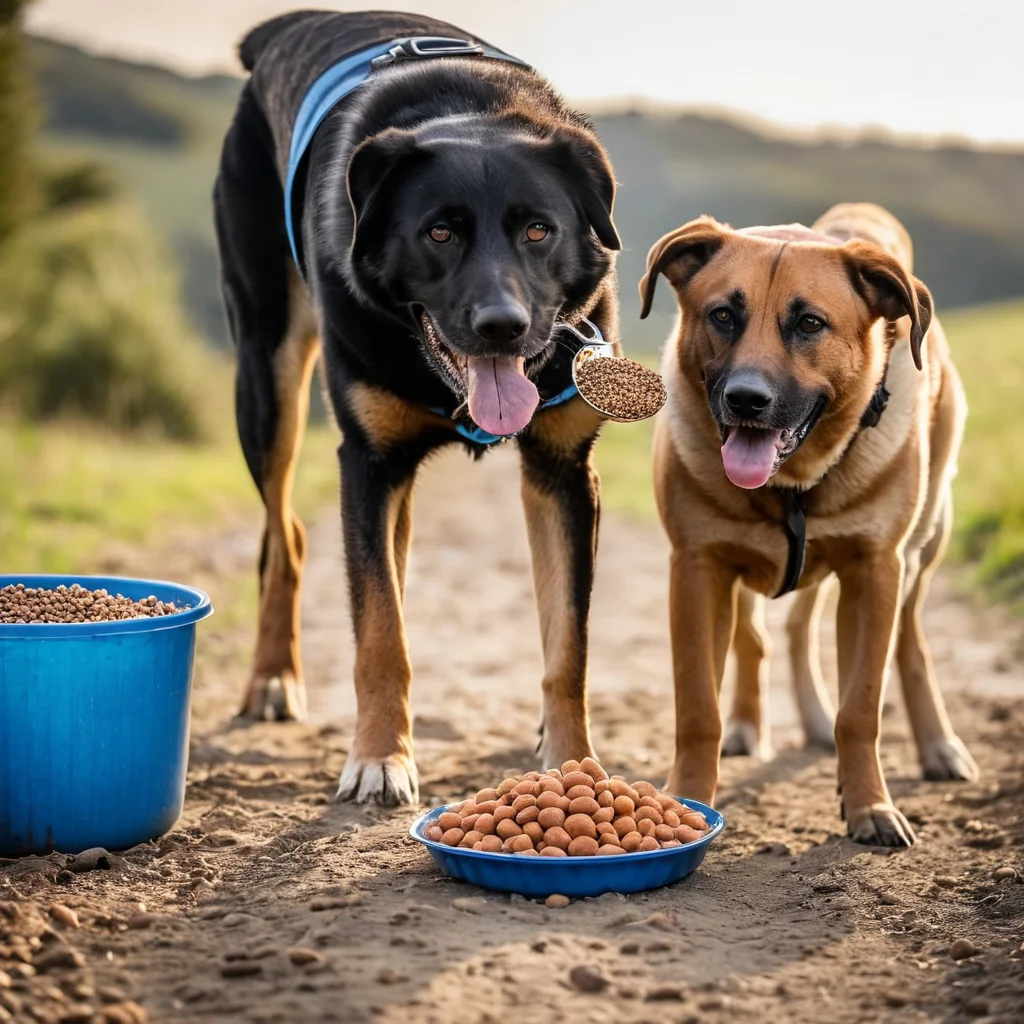
Dogs are omnivores (they eat both meat and plants) and can tolerate a wider range of foods than cats. But that does not mean they can eat everything.
Feeding by Age and Activity
- Puppies (0-12 months): Rapid growth calls for high protein and calories. Large-breed puppies need special formulas for controlled growth
- Adult dogs (1-7 years): Portions should be adjusted to activity level. Active dogs should get more calories, and less active dogs fewer
- Senior dogs (7+ years): Senior formulas that support joint health and contain easily digestible proteins should be preferred
Foods You Must Never Give
Some human foods can be toxic for pets. You should definitely know the list below:
- Chocolate: The substance theobromine has a toxic effect on the heart and nervous system. Dark chocolate is more dangerous
- Onion and garlic: They break down red blood cells and lead to anemia
- Grapes and raisins: They can cause kidney failure
- Xylitol (an artificial sweetener): It leads to insulin shock and liver damage
- Alcohol and caffeine: Extremely toxic for animals
- Cooked bones: They can splinter and puncture internal organs
Tips for Choosing Pet Food
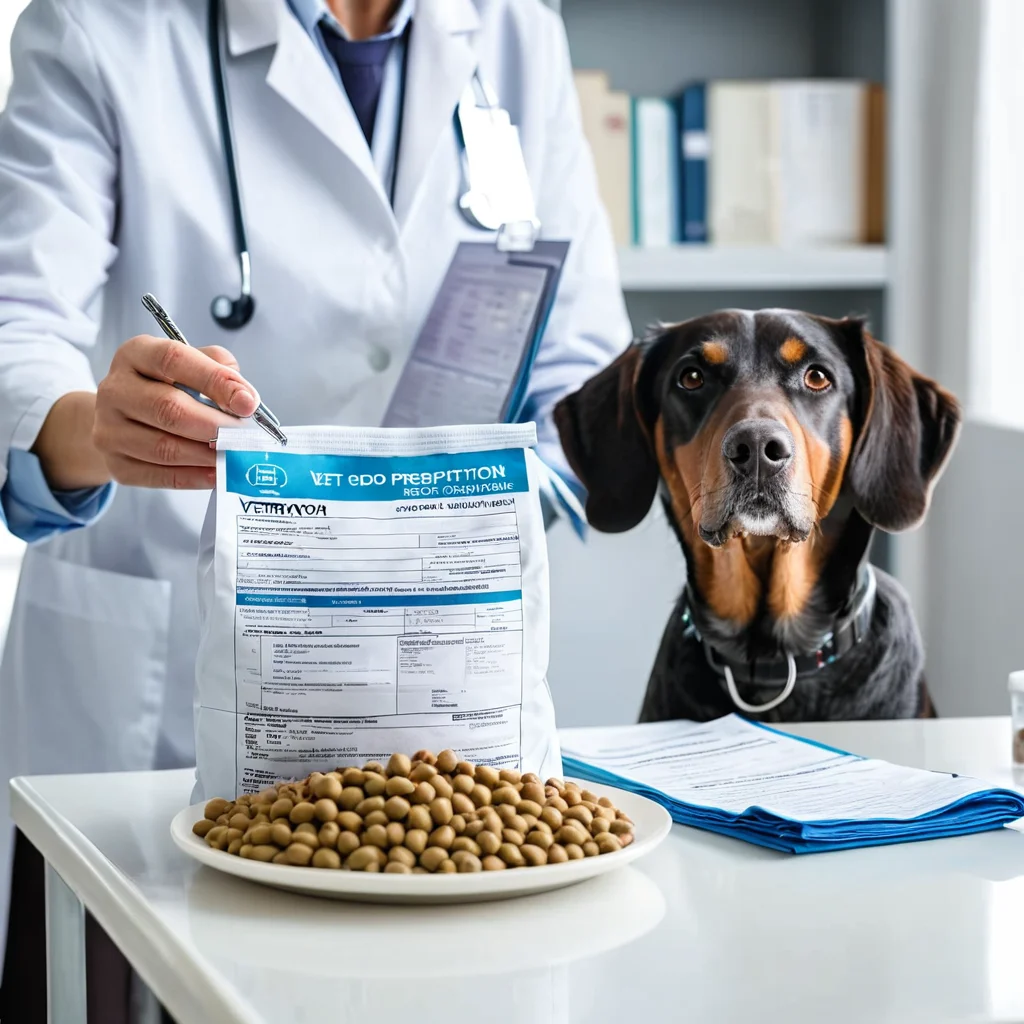
To choose a high-quality pet food, you need to know how to read the label:
- A specific type of meat (chicken, beef, fish) should be first on the ingredient list
- Avoid vague terms such as "meat by-products" or "animal derivatives"
- It should not contain artificial colors, flavors or preservatives
- It should meet AAFCO or FEDIAF standards
Your pet's health is directly linked to the food you give it. Good feeding habits are the key to a long and healthy life.