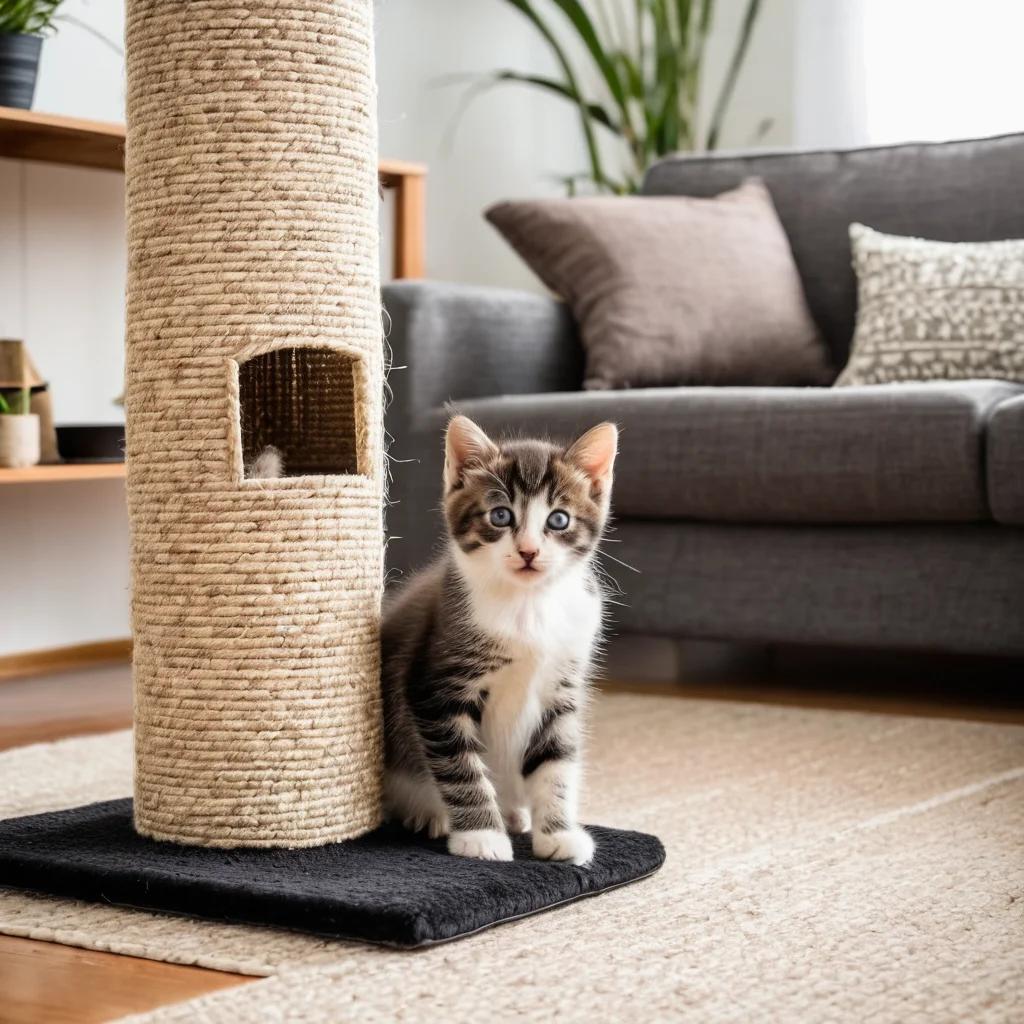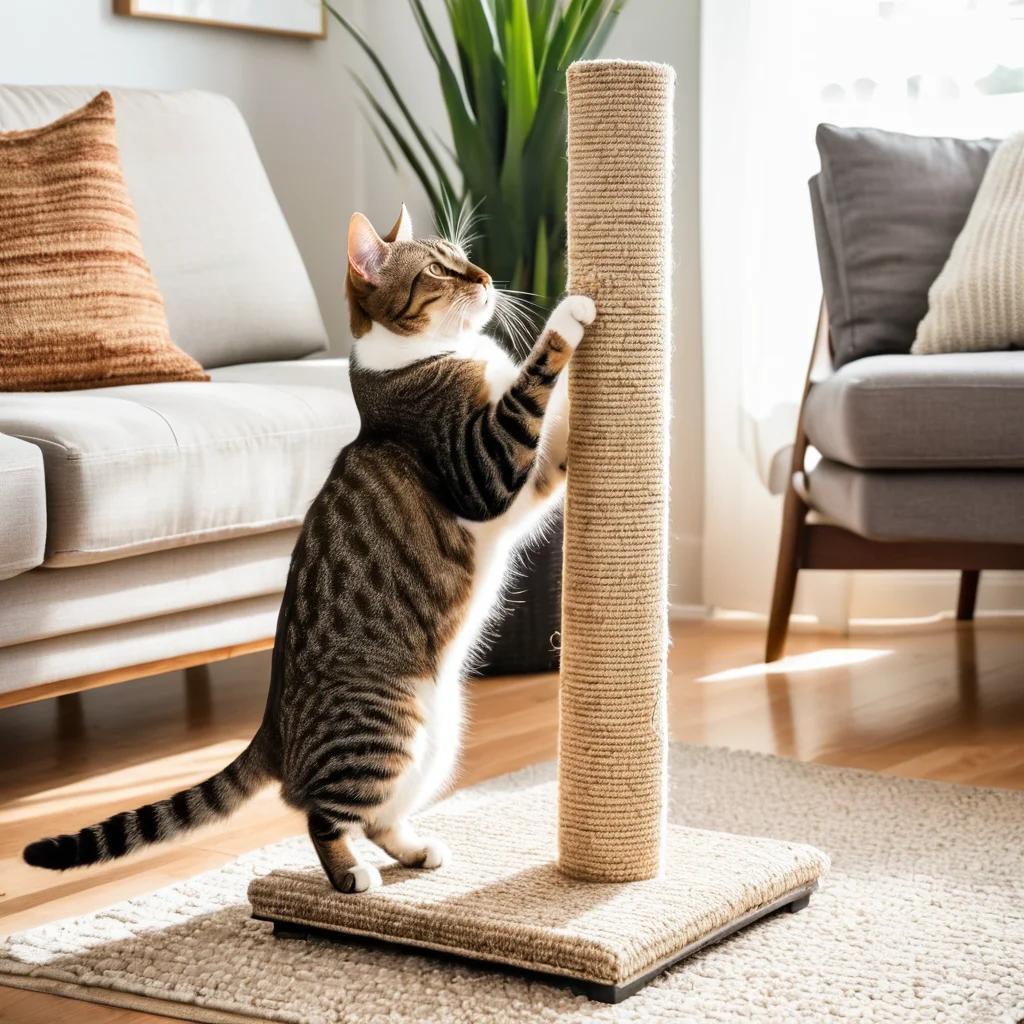

If your cat is scratching the couch, the rug or the door frame, it is not trying to "do damage"; it is meeting a biological need. By scratching, cats groom their claws, stretch their muscles + tendons, mark their territory with scent glands and release stress. The solution is not to stop scratching but to redirect it. With the right scratching post + the right spot + the right training, the couch is protected and the cat is happy. In this article we go through how to choose a scratching post, the training steps and a furniture protection strategy in detail.
1. Why Do Cats Scratch?
Scratching serves four basic needs:
- Claw care: The outer layer of the claw sheds and renews.
- Muscle and tendon flexibility: Body + shoulder + back muscles get a stretch.
- Territory marking: Paw glands release pheromones, a "this is mine" signal to other cats.
- Stress relief: Relief after excitement, fatigue or conflict.
This is instinctive, so it is impossible to "stop it completely with training." The goal is to offer an alternative surface.
2. Vertical vs. Horizontal Scratching Preference
In nature, cats scratch tree trunks, which is why most prefer a vertical surface. However, some cats like to scratch a flat rug while lying on their side. To figure out which type your cat is:
- Look at where your cat scratches: the side of the sofa = likes vertical. Rug/floor = likes horizontal.
- Offer both a vertical and a horizontal board and observe (1-2 weeks).
- Most cats use both, but they may have a clear preference.
3. Surface Type: Sisal, Cardboard or Carpet?
Scratching post surfaces:
- Sisal rope: The most popular and most durable. The natural fibers "catch" a cat's claws just right. One post lasts 1-2 years.
- Cardboard: Common on horizontal scratchers. Cheap, but it wears out after 2-4 months and needs replacing. Some cats love it for its soft layers.
- Carpet: Not recommended. Carpet = confusion about whether scratching the rugs at home is allowed. Its fibers can also snag a cat's claws.
- Wood bark: The most natural option. Natural pieces of wood (almond, pistachio, pallet wood). DIY posts are made this way.
If you are not sure the first time: get a vertical + sisal post, and you will get it right about 80% of the time.
4. Post Size and Sturdiness
If the post wobbles when your cat scratches it, your cat will abandon it because it feels unsafe. A good post has:
- Height: Your cat should be able to scratch while fully stretched out (75-90 cm for an adult cat).
- Base width: At least 30x30 cm. A tripod or a narrow, unstable base does not give enough support to lean on.
- Weight: Over 3-4 kg = sturdy.
- An extra "platform" at the top of a vertical post: A spot to lounge after scratching.
5. Placement: Not in a Hidden Corner
The scratching post should be on your cat's daily route:
- In a visible corner of the living room, not in a back room.
- Next to a window or the daily resting spot, for that first stretch after waking up.
- Next to the furniture it already scratches, as an alternative.
- Away from the food + litter areas (cats like to keep these separate).
Putting the post in a far-off room = saying "there is no post." Keeping it in a visible spot increases use 3-5 times.
6. Introducing the New Post: A 7-Day Plan
- Days 1-2: Put the post RIGHT NEXT TO the couch. When your cat heads for the couch, the post should be within sight.
- Days 3-4: Lure your cat in front of the post with a feather toy. Simulate "prey" on the post.
- Days 5-6: Sprinkle a little catnip on the post, or spray a pheromone product (Feliscratch / Feliway).
- Day 7: When your cat uses the post once, give a reward (a bit of wet food, a soft treat). 2-3 repeats reinforce it.
Some cats discover it in a day, others may take 2-3 weeks. Be patient. Forcing it (pressing your cat against the post) backfires.
7. Strategy to Stop Furniture Scratching
Introduce the new post + block scratching on the old furniture at the same time:
- Double-sided tape: Sticky Paws or a similar product goes on the side of the couch. Cats dislike the stickiness and leave the area.
- Aluminum foil: A temporary fix. Cats dislike the sound of foil.
- Lemon/orange peel sprays: Citronella-based products. Some cats are put off, others are not. These are natural scents, not chemical sprays.
- Plastic guard: Thick clear plastic attached to the side of the couch. Temporary.
These deterrents do not work on their own; use the new post + tape at the same time. The post being there + the old spot being sticky → the behavior shifts within 14 days.
8. Nail Trimming: How It Relates to Scratching
Regular nail trimming reduces scratching damage but does not stop the scratching instinct:
- Trim the nails every 2-3 weeks (only the tip, without reaching the "quick," the blood vessel).
- If it is your first time, learn from a vet or a pet groomer.
- A cat with thick nails wears out furniture 2 times faster.
- Declawing is banned in Türkiye. In the US this procedure, sometimes called a "soft operation for cats," is unethical and causes permanent harm.
9. Managing Scratching in a Multi-Cat Home
In a home with two or more cats:
- 1 post per cat + 1 extra. 2 cats = 3 posts. Territory conflicts go down.
- Spread the posts across different rooms.
- Make the posts different types (one vertical sisal, one horizontal cardboard).
- If the dominant cat "claims" a post, give the other cat its own separate post.
10. When Should a Scratching Post Be Replaced?
Signs:
- The sisal rope is frayed and the core is showing.
- Your cat has stopped using the post (it wants a new one).
- The top layer of a cardboard scratcher is completely worn away.
- The base wobbles and is unstable.
A sisal post lasts 1-2 years, cardboard 2-4 months. A post that is too old = your cat heads back to the furniture.
Scratching is a necessary behavior for a cat's health + mood. With the right post + the right spot + the right introduction, your couch stays intact for years and your cat stays happy for years. Trimming the nails + temporarily protecting the furniture + replacing the post on time make this routine last.