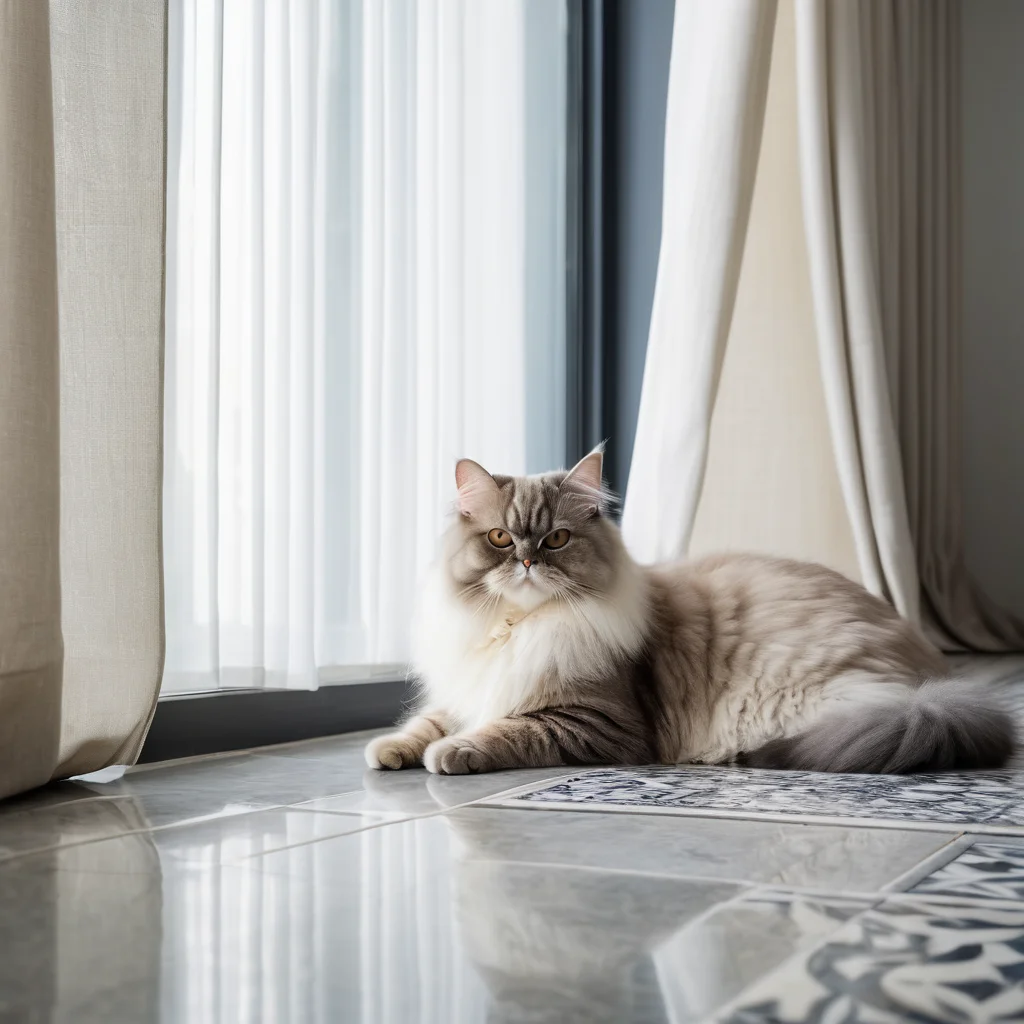

By mid-fall, the routine in a neighborhood shifts on its own. The cat that slept in a corner of the yard all summer moves to the building entrance, the water bowl starts icing over in the mornings, and as it gets dark earlier in the evening, everyone's routine slips. The biggest problem in this period is actually not the cold; it is the lack of a routine.
In most neighborhoods, only a few people look after the animals, and they usually work without knowing about each other. One leaves food in the morning, another in the evening; a third puts water by the door, and a fourth pours that water out. In the end, neither the animals nor the neighbors find a predictable routine.
This post describes a simple routine you can set up in your neighborhood before winter: ways to keep water from freezing, feeding time and spot, and coming to an agreement with neighbors. A note up front: practices and local rules about stray animals may vary depending on where you live. So none of the sections below is a statement of permission or prohibition; checking with the relevant department of your municipality before you set up your plan is the safest way to go.
Talking with the neighborhood before winter
The hardest part of this is usually about people, not animals. Leftover food piling up by the door, cardboard boxes getting soaked, arguments over cats showing up at night: these are familiar in most neighborhoods.
The most useful thing you can do before winter is for the people who care for the animals to get to know each other. When three people know each other, these things become clear:
- Who helps out on which day and at what time, so the same job is not done three times.
- Which spot works and which spot bothers the neighbors.
- Who is responsible for cleanup, and who picks up the bowls.
- Who does what when a sick or injured animal is spotted.
- Who takes over when someone goes on vacation or a trip.
If you live in an apartment building or a gated complex, talking with the management heads off most of the arguments that would come up later. Rules on using shared areas vary from one management to another; bringing up the topic before any complaints come in usually leads to a more constructive outcome.
Keeping the water bowl from freezing
Water is the most often forgotten need in winter. Snow and ice are not a substitute for water; when animals try to meet their water needs by eating snow, their body temperature drops. You can slow down freezing even without electricity or a heater.
- Use a deep, wide bowl. A small amount of water in a shallow bowl freezes much faster. The same amount of water stays liquid longer in a deep bowl.
- Choose thick plastic. Metal bowls conduct cold quickly; in freezing weather, an animal's tongue or paw can also stick to the metal.
- Pick a dark-colored bowl. In a spot that gets sun during the day, a dark color holds heat better.
- Insulate the bottom of the bowl. Instead of putting it directly on concrete or stone, place a piece of Styrofoam, thick wood or foam under it; heat loss into the ground drops noticeably.
- Choose a sunny corner sheltered from the wind. Wind is the biggest factor that speeds up freezing.
- Put out lukewarm water in the evening. Lukewarm, not boiling; it freezes later and buys some time through the night.
- You can drop a plastic ball into the bowl. Moving in a light breeze, it delays a layer of ice forming on the surface.
There are also things not to do: do not add salt, sugar, glycerin or anything like antifreeze to the water. These methods said to delay freezing are harmful to animals, and some of them are life-threatening. The safe way to keep water from freezing is to choose the right bowl and spot and to refresh it during the day.
Feeding time and spot
A regular time makes things easier for both the animals and the neighborhood. Food left out at random times stays around for a long time, spoils, smells and attracts other creatures. A set time means the animals come and eat at that hour and the bowl empties quickly.
- Choose daytime hours; food left out at night stays there until morning.
- Same time, same spot every day: predictability also reduces the animals' stress.
- Put food in a bowl, not directly on the ground; pick up the bowl once they are done.
- Do not leave leftover food behind. This is the main source of complaints and hygiene problems.
- Instead of busy spots like doorways, the foot of stairs, playgrounds or parking lot entrances, choose a spot off to the side, out of the wind and relatively quiet.
- Dry food is a practical option in winter; wet food can freeze in the cold and spoils quickly outdoors.
- Do not give spicy, salty, bony or spoiled table scraps.
Feeding practices can differ between local governments; there may be designated areas, times or methods. Finding this out before you set up your plan works in your favor and in the animals' favor.
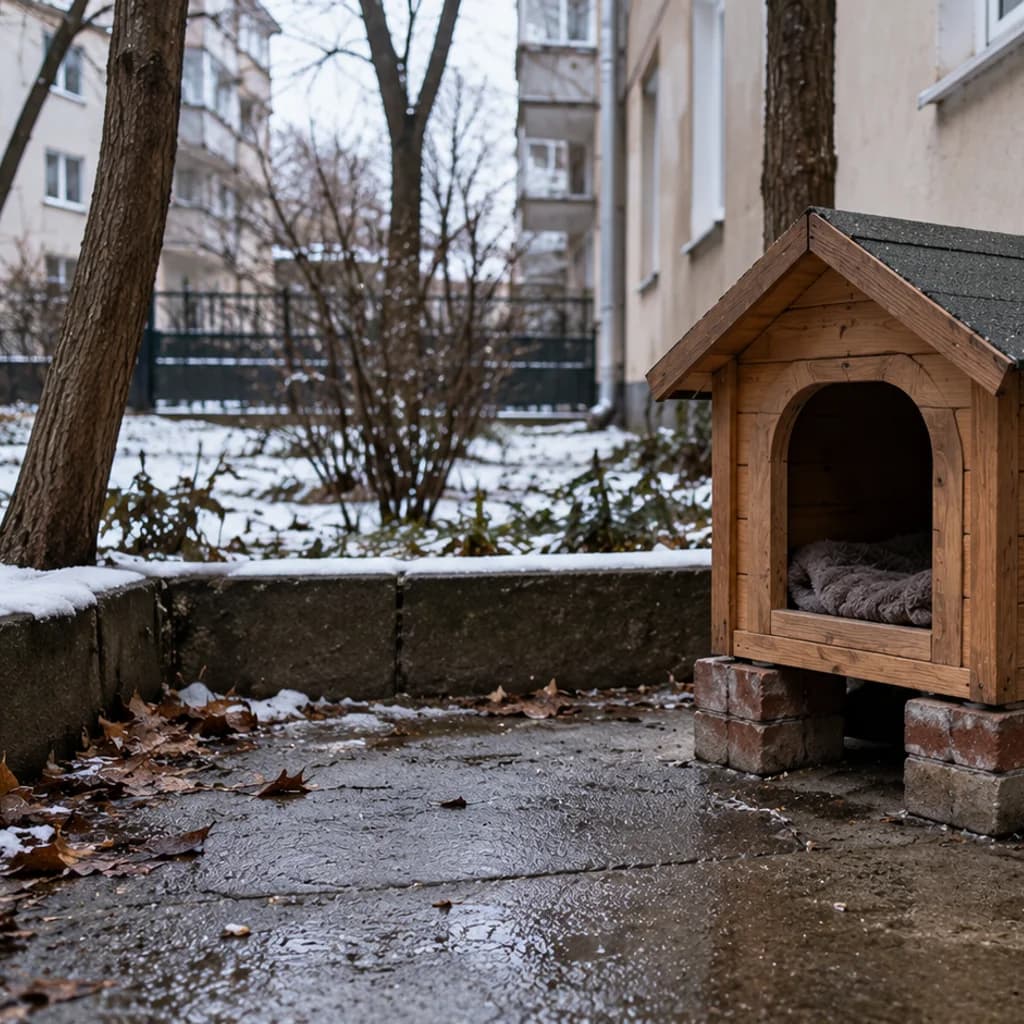
Shelter: how does a simple shelter cut the cold?
In winter, the most important thing for animals is a small space where they can be protected from wind and wet. You do not need to build a big shelter; in fact, it is better if it is not big.
- Keep it small. If there is too much empty space inside, the animal's body heat is not enough to warm it. Enough room for the animal to turn around is plenty.
- Make the entrance small and facing away from the wind. If you like, you can hang a piece of tarp in front of it.
- Raise it off the ground. A few bricks or pieces of wood cut off the cold and water coming from the ground.
- Put straw, dry wood shavings or dry leaves inside. These insulate without holding moisture.
- Avoid putting in blankets and rugs. Once wet, they do not dry, and damp fabric in the cold speeds up heat loss instead of warming the animal.
- Cover the top with a waterproof material, but leave a small opening for ventilation.
Choose where to put the shelter by talking it over with your neighbors, too. A corner everyone can see but that does not block anyone's way turns out to be the longest-lasting solution.
Sick, injured or owned animals
If in winter you see an animal that is not moving much, always lies in the same spot, has runny eyes or nose, or has clearly lost weight, this is a health issue, not a care issue. Instead of trying to handle it at home, consult a veterinarian; you can reach clinics in your area through our vet list. The municipality's veterinary services department also gives guidance when injured animals are reported.
Some of the animals seen on the street in winter are actually lost pets. If you see an animal with a collar, a clean coat, that is very used to people, or that does not seem to know where to go in the cold, checking the lost pet listings can be the fastest solution.
If there is an animal you are thinking of taking in, do not rush; fostering for the winter is also an option. For those looking for a forever home, adoption listings and the shelter list can be a starting point.
Frequently Asked Questions
Can I add salt or sugar to the water so it does not freeze?
No. Salt, sugar or similar substances added to water are harmful to animals. The safe ways to delay freezing are the type of bowl, its spot, its depth and the insulation under it. Chemicals like antifreeze are extremely dangerous and should never be used under any circumstances.
Is it better to leave food out at night?
Usually not. Food left out at night stays there until morning, spoils and causes complaints. When you leave it at a set time during the day and pick up the bowl, the animals get used to the routine and the area stays clean.
My neighbor is bothered. What should I do?
Before arguing, find out what the problem is; most of the time the issue is not the animal itself but the leftovers or the chosen spot. Moving the spot, picking up the bowls and keeping a set time solve most complaints. If not, it makes sense to look for a shared solution through the building management or the relevant department of the municipality.
Where should I put the shelter?
A corner out of the wind, where rain and snowmelt do not collect and that does not block walkways, is ideal. Since there may be rules about using shared areas where you live, checking with the management before setting it up, especially in shared areas of complexes and apartment buildings, keeps you on the safe side.