


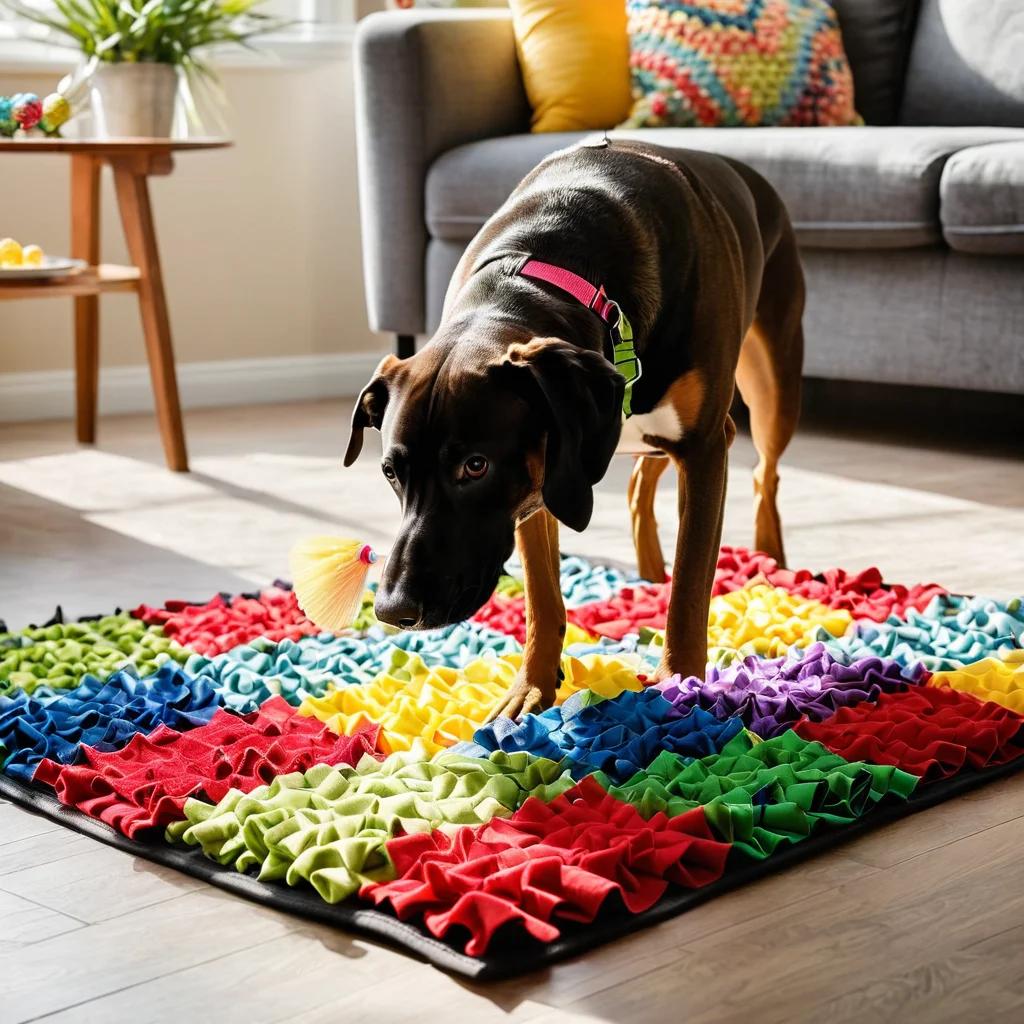

Dogs see the world through their noses: their sense of smell is 10,000-100,000 times stronger than ours. Their natural hunting instincts lean toward "sniffing + searching." Sniffing games are one of the most powerful forms of mental exercise for a dog. They're more tiring and more satisfying than a physical walk. This article covers why sniffing games matter, 7 games you can play at home, the basics of "nose work" training and the changes they can bring.
1. Why Is Sniffing So Important?
- 10-15 minutes of sniffing games = as tiring as a 30-40 minute physical walk.
- It lowers stress hormones and boosts happiness hormones.
- It protects mental health in senior dogs and dogs with limited exercise.
- An indoor alternative on rainy or hot days.
- Destructive behaviors (chewing furniture) drop noticeably.
- The dog's brain is doing what comes naturally, and the bond between owner and dog grows stronger.
2. 7 Sniffing Games at Home
Game 1: "Which Hand?"
Two fists, a treat in one. Your dog sniffs and picks the right hand. Reward and repeat. Great as a starter game.
Game 2: Snuffle Mat
A mat made from strips of fleece fabric (sold at pet shops, or DIY). Hide pieces of dry food between the strips, and your dog finds them by sniffing. 10-15 minutes a day.
Game 3: Cardboard Box Hunt
3-5 cardboard boxes in different sizes. Put a treat in one box and leave the others empty. Set them out and let your dog find it. Then hide the treat in a different box and repeat.
Game 4: Towel Roll
Roll a towel into a long tube and tuck treats inside. Let your dog unroll the towel to find them. Cheap and effective.
Game 5: The "Find It!" Command
- Your dog is in a "sit" + "stay" position.
- Place the treat in plain sight.
- Say "Find it!" and let your dog go sniff it out.
- Over time, hide the treat in trickier spots (behind a curtain, under a rug).
Game 6: Yard / Park Sniff Walk
Give the leash plenty of length and let your dog put its nose to the ground. Instead of pulling to say "let's go," let your dog lead. A sniff walk at its own pace is one of the most powerful stress relievers.
Game 7: Treat in an Ice Cube
Fill an ice cube tray with peanut butter + water; once frozen, give it to your dog. Hours of sniffing + chewing + cooling off. Wonderful in the summer months.
3. Professional "Nose Work" (Scent Work)
Canine nose work is a sport, a discipline organized internationally. It's only just starting to catch on in Türkiye. Dogs learn to find specific scents (for example, "anise" at advanced levels).
- For all dogs: puppies, adults and seniors.
- All breeds are suitable, including brachycephalic ones.
- Training is done at certified clubs.
- There are competitions, including international ones.
4. Sniff Walk vs. Regular Walk
Classic walk: owner in front + dog behind. Focused on speed + distance.
Sniff walk: the dog leads + a long leash + permission to sniff every tree and corner. Slow + tiring (mentally).
- Make at least 2-3 walks a week the "sniffing kind."
- Don't rush; give your dog time.
- Tired dog = calm dog.
5. Which Dog Needs What?
- Beagle, Bloodhound, Basset Hound: Breeds built for scent hunting; they need long sniffing games every day.
- Working breeds (German Shepherd, Border Collie): They want lots of mental stimulation; sniffing games reduce behavior problems.
- Brachycephalic: Breathing is limited, but sniffing still works. Just keep sessions short and the room cool.
- Senior dog: Avoid physical strain; sniffing is ideal as the one tiring exercise.
6. Common Owner Mistakes
- Always the same game. Your dog gets bored + mental stimulation drops. Rotation is a must.
- A rushed owner. Don't pull while your dog is sniffing; on a sniff walk, the sniffing is "the method, not the goal."
- Low-value treats. Dry food has little pull in the park; tastier treats motivate more.
- Too easy. If your dog finds it right away, it's not mental exercise; make it harder step by step.
- The owner points the way. Stepping into your dog's sniffing process = lowers the value of the game.
7. Plan by Age
- Puppies 8-16 weeks: Very short + easy games (towel roll). 5-minute sessions.
- Young adults: A more complex snuffle mat + the find-it command + sniff walks.
- Adults: Nose work training + advanced games.
- Seniors: Low-intensity sniffing (at ground level + short sessions). Critical for mental health.
8. Frequently Asked Questions
My dog doesn't enjoy sniff walks.
It's usually the owner's rhythm: a fast pace + constant pulling = your dog gives up on sniffing. With a slow walk + a long leash + patience, getting used to it takes 1-2 weeks.
Should I buy a snuffle mat or make one?
For DIY: tie strips of fleece fabric onto an old doormat. It's an hour of work + very budget-friendly. Buying a ready-made one is fine too.
My dog is hyperactive. Will sniffing games calm it down?
Yes. In hyperactive dogs, 10-15 minutes of sniffing games twice a day leads to a noticeable change in behavior. A tired + satisfied dog = a calm dog.
Which dogs love scents the most?
All dogs do, but especially breeds with a hunting instinct: Beagle, Basset Hound, Bloodhound, German Shepherd and the spaniel breeds. For them, sniffing games are a basic need.
Are there nose work classes for dogs in Türkiye?
Professional trainers are just starting to appear in Istanbul + Ankara + Izmir. Search social media + choose a certified trainer.
My dog gets excited + barks during sniffing games.
The game is too intense: go back to an easier level + use smaller treats + a calm tone of voice. Once the excitement drops, make it harder again.
Is it right to start while my dog is a puppy?
Short + easy sessions from 8-10 weeks of age are a perfect start. It's a natural activity for dogs from puppyhood to adulthood.
Final Word
Your dog's nose is its eyes, its ears, its happiness. 10-15 minutes of sniffing games a day = a tired + calm + connected dog. Rainy days, hot summers, limited exercise: sniffing games are the answer to all of them.
For play + exercise notes, see DoldurKabı Pet Health Tracking.
This guide is for information only; for specific needs, talk to a dog trainer.









