



Dog Behavior Problems: Understanding and Solving Them
One of the hardest parts of living with dogs is dealing with unwanted behavior. Problems such as excessive barking, chewing things, aggression or separation anxiety hurt the quality of life for both your dog and you. But there is always a reason behind these behaviors, and with the right approach they can be solved.
Excessive Barking
Barking is a dog's natural way of communicating. The problem starts when barking becomes excessive and uncontrolled.
Why Do They Bark?
- Alert barking: Defensive barking at the doorbell, strangers or other animals
- Attention-seeking: Asking for play, food or attention
- Boredom: Not enough exercise and a lack of mental stimulation
- Separation anxiety: Intense stress when the owner leaves the house
- Fear: Loud noises such as thunder and fireworks
How to Solve It
Identifying why your dog barks is the first step toward a solution. A dog that barks out of boredom and a dog that barks out of fear need completely different approaches. In general:
- Do not reward barking. Giving your dog attention when it barks reinforces the behavior.
- Teach a "quiet" command. Reward right away when the barking stops.
- Increase daily exercise time. A tired dog is less likely to bark for no reason.
- Provide mental stimulation: puzzle toys, training sessions and interactive games.
Chewing and Destructive Behavior
Chewing shoes, furniture or other items is especially common in puppies, but it can also happen in adult dogs.
Causes
- Teething (in puppies): Puppies 3-7 months old chew to ease gum discomfort
- Boredom: Dogs that do not get enough physical and mental activity
- Separation anxiety: A way of coping with stress when left alone
- Exploration: Dogs explore the world with their mouths
The Solution
Providing suitable chew toys is the core of the solution. Kong-type toys, toys you can fill with food and durable chew bones meet your dog's need to chew. When your dog goes for something off-limits, stop it with a calm "no", redirect it to a suitable toy and reward it when it plays with the toy.
Separation Anxiety
Separation anxiety is one of the most stressful behavior problems in dogs. When the owner leaves the house, it can show up as barking, howling, destroying things, self-injury and going to the bathroom in the wrong place.
Treatment Approach
Separation anxiety is usually treated with gradual desensitization:
- Make your leaving routine ordinary. Do not make a big deal of saying goodbye or greeting.
- Start with short separations (a few minutes) and gradually increase the time.
- Leave an interactive toy when you go out (such as a Kong filled with food).
- Create a safe space for your dog; crate training can help.
- In serious cases, get professional support from a veterinary behaviorist.
Pulling and Leash Problems
A dog that constantly pulls on the leash during walks makes the walk stressful for both of you.
- When your dog pulls, stop and do not move. When the leash goes slack, keep walking.
- Reward your dog when it walks beside you.
- Front-clip harnesses make pulling physically harder and support training.
- Be patient; changing this habit can take weeks.
Aggression
Aggression is the most serious behavior problem and requires professional help. Growling, showing teeth and biting should not be ignored.
Important: Punishing an aggressive dog makes things worse. There is always a reason underneath aggression, such as fear, pain, resource guarding or a lack of socialization. A veterinary behaviorist will identify the source of the problem and create a suitable treatment plan.
General Training Principles
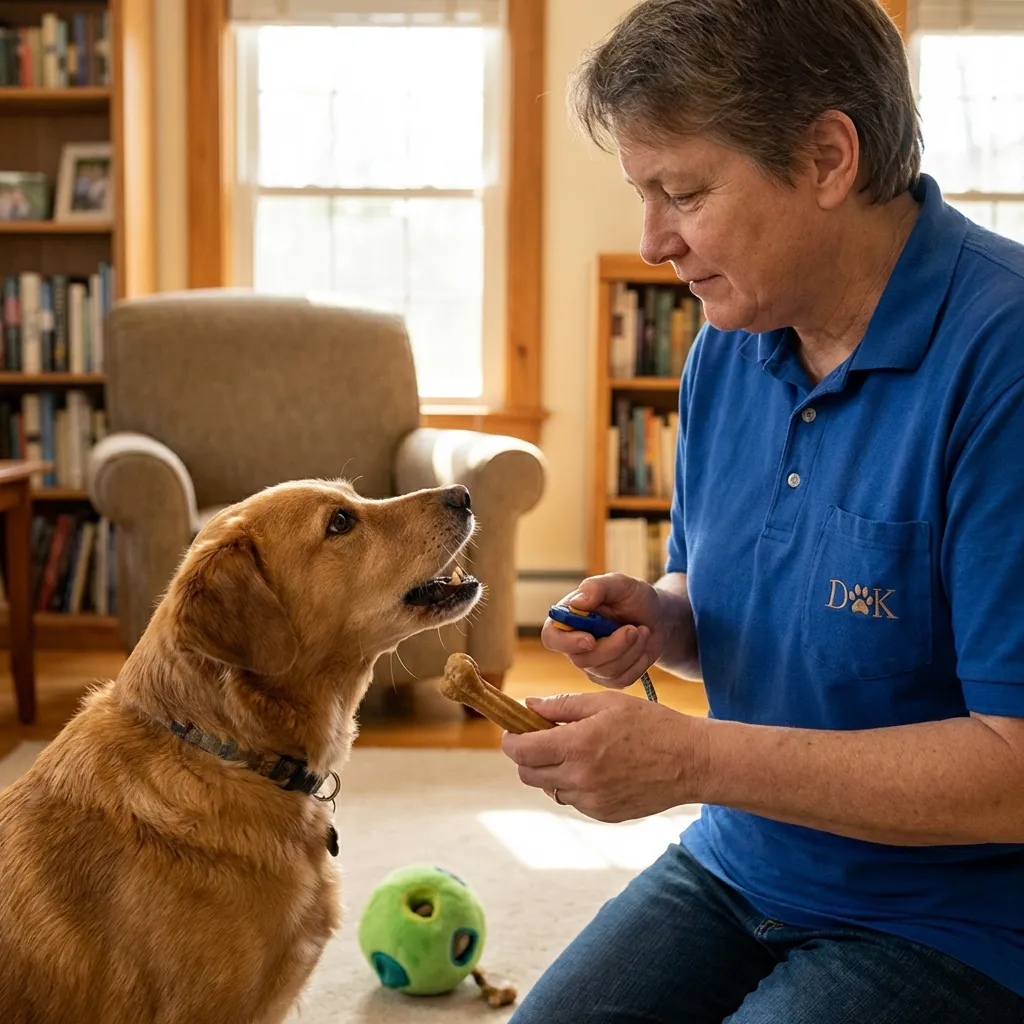
- Positive reinforcement: Reward the behaviors you want; ignore unwanted behaviors or redirect them to an alternative behavior.
- Consistency: All family members should apply the same rules.
- Patience: Behavior change takes time. Short, frequent training sessions are more effective than long, infrequent ones.
- Do not use physical punishment: Fear-based training damages trust and deepens problems.









